 Home Improvement
Drywall Contractor in Cedar Rapids, IA: What Homeowners Should Know
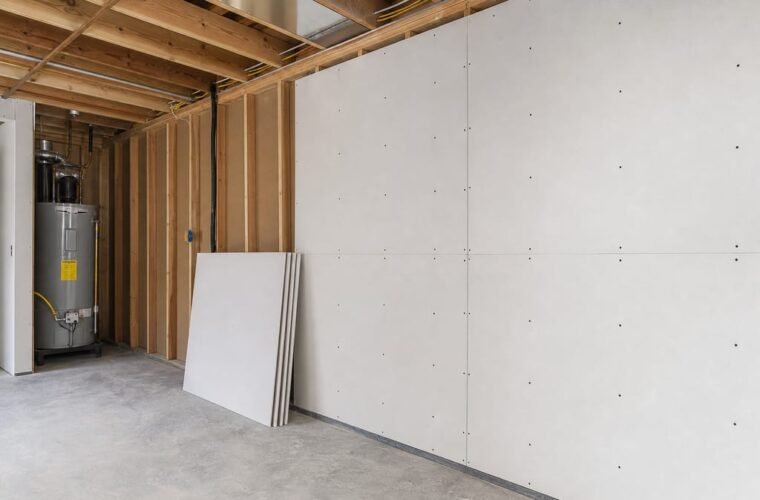
Drywall plays an important role in the appearance, comfort, and function of homes throughout Cedar Rapids, IA. From finishing new construction to repairing walls after water damage, quality drywall work requires accurate measurements, proper fastening, careful joint treatment, and a smooth finish. Even small imperfections can become highly visible after painting, so choosing the right approach from the beginning helps protect the finished look of your interior spaces. When you need a drywall contractor in Cedar Rapids, IA, understanding what professional drywall work involves helps you make better decisions for your home. Cracks, dents, nail pops, uneven seams, and damaged sections are more than cosmetic concerns when they continue to worsen. Professional installation and repair address the damaged area correctly while creating a consistent surface that is ready for primer and paint. Common Drywall Problems in Cedar Rapids Homes Drywall damage develops for several reasons. Everyday activity can leave holes and dents, while settling can contribute to cracks around seams, corners, doors, and windows. Moisture is another major concern. Persistent leaks or excessive humidity can weaken drywall and create staining, soft spots, or deteriorated surfaces. Watch for these common warning signs: A. Cracks that continue to expand B. Visible seams or uneven joints C. Bulging or loose drywall D. Water stains or discolored areas E. Holes, dents, and impact damage F. Peeling or damaged joint compound G. Nail or screw pops appearing through finished surfaces Addressing these problems early helps prevent a small repair from becoming a larger remodeling project. How Professional Drywall Installation Improves Your Home Proper drywall installation involves more than attaching sheets to wall framing. Panels need to be measured and cut accurately, fasteners should be positioned correctly, and joints require appropriate taping and compound application. Corners and transitions also need careful attention to produce a uniform finish. Drywall finishing is commonly classified into Levels 0 through 5. Level 4 is a common choice for residential walls with standard flat paint, while Level 5 provides a higher-quality surface when gloss or semi-gloss paint, strong natural lighting, or raking light could make minor imperfections more noticeable. Homeowners should discuss the desired finish level with their contractor before work begins rather than simply requesting a “smooth finish.” Joint treatment may also involve different types of joint compound, such as lightweight or setting-type compounds, depending on the repair and application. Corner bead helps create straight, durable outside corners, while matching an existing wall texture may require techniques for reproducing finishes such as orange peel, knockdown, or popcorn texture. A properly finished wall provides a clean foundation for interior paint, wallpaper, trim, and other finishes. Professional workmanship also reduces visible seams, uneven textures, and recurring surface defects. For homeowners preparing a renovated room or completing new construction in Cedar Rapids, IA, these details make a noticeable difference in the final appearance. Choosing the Right Drywall Solution Different projects require different drywall approaches. Standard drywall is widely used for general interior walls and ceilings, while moisture-resistant products are appropriate for areas exposed to higher humidity. However, moisture-resistant drywall is not a substitute for a proper tile backer in a shower or other continuously wet area. Cement board or an appropriate fiber-cement backer may be required behind tile where direct and prolonged water exposure is expected. Fire-resistant drywall is used where building requirements call for additional fire protection. Board thickness should also be selected according to the application, framing, and installation requirements, particularly where wall assemblies meet ceilings or where additional sound control or fire resistance is needed.…
Read source