
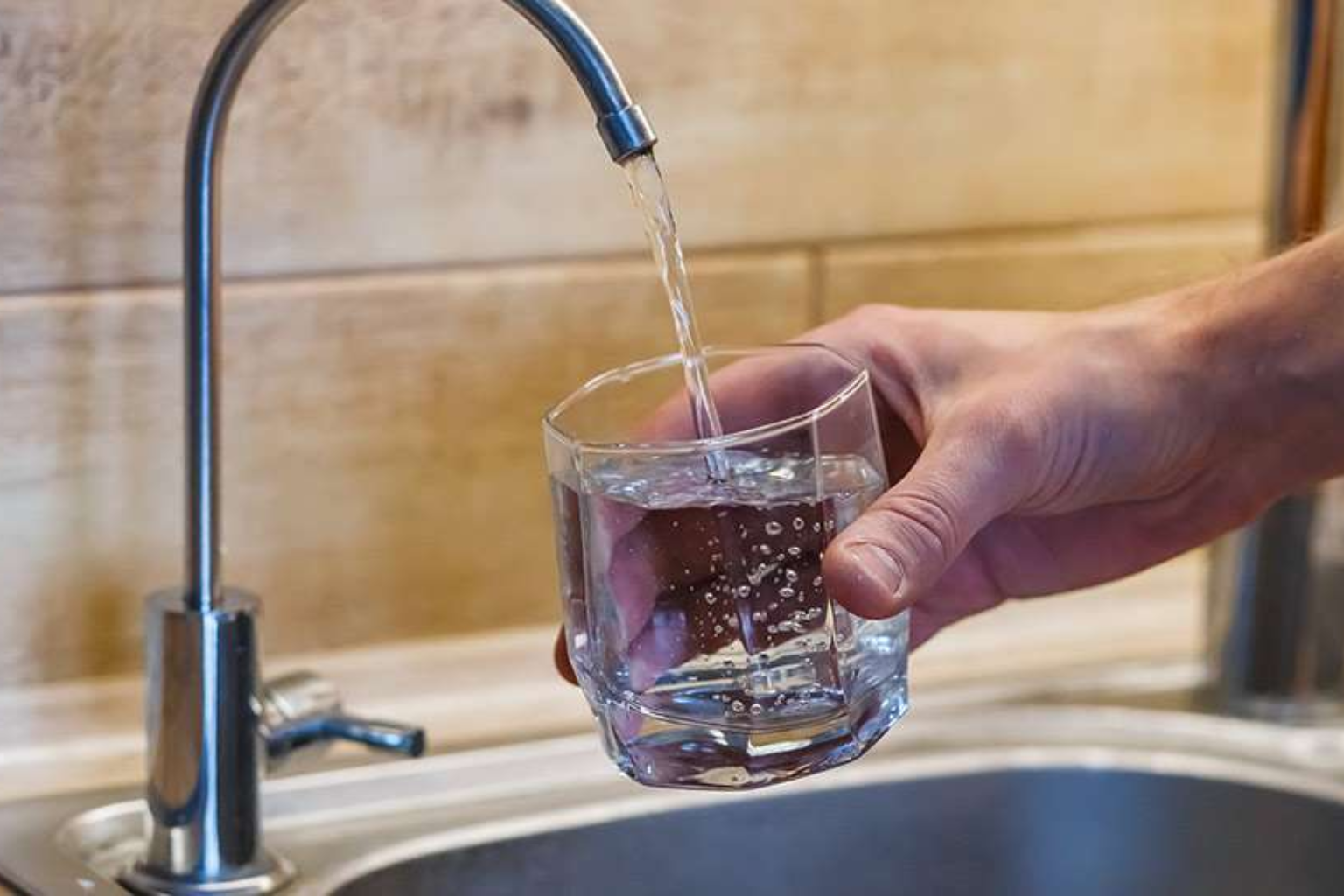
There’s a certain comfort in flipping the faucet handle and watching a steady stream of water pour out. It’s dependable, effortless, part of the daily rhythm. Whether you’re boiling pasta, rinsing fruit, or filling your water bottle before a workout, most of us don’t give it a second thought.
But here’s the thing—we probably should.
Because as clean and clear as it may look, that tap water isn’t just water. It’s got a history. A journey. And depending on where you live, it might be carrying more than you’d like—things like chlorine byproducts, pesticides, bacteria, even heavy metals.
And one of the biggest culprits? Lead. That’s right. The same stuff they banned from gasoline and paint is still sneaking into drinking water across the country. If that doesn’t make you pause, it probably should.
It Starts in the Pipes
The problem isn’t always with the water source itself. Municipalities do their job—treating and testing water before it leaves the plant. But what happens after that? Well, that’s where things get a little murky.
Old pipes, especially in homes built before 1986, may contain lead solder or outdated fixtures that allow trace amounts of lead to leach into water as it flows through. Over time, those traces can add up.
And unlike bacteria, lead doesn’t have a smell or taste. You can’t boil it away. You can’t filter it with a cheap plastic pitcher. If you want to remove lead, you need a targeted solution—something built to tackle the problem head-on, not just slap a sticker on it and call it “filtered.”
Why Lead is Such a Big Deal
Lead exposure isn’t just bad. It’s devastating—especially for kids. Even low levels can harm brain development, lower IQ, and cause behavioral issues. In adults, it’s linked to high blood pressure, kidney damage, and fertility problems.
It accumulates in the body. Slowly. Silently. Which is why the EPA says there is no safe level of lead in drinking water.
And yet… millions of homes across the country still have plumbing systems that make exposure possible.
So what do you do about it?
Modern Solutions for an Age-Old Problem
Thankfully, we’re no longer in the Wild West of water filtration. These days, there are highly effective systems that can dramatically improve water quality—systems that go beyond the basics and actually make a difference.
For example, point-of-use filters certified to NSF/ANSI Standard 53 or 58 are specifically tested for lead reduction. Many high-end under-sink filters, reverse osmosis systems, and countertop units fall into this category.
But if you’re looking to upgrade your tap water purification setup, make sure you’re not just buying for taste. Go deeper. Read the certifications. Know what you’re filtering for.
Because while charcoal filters are great for chlorine and odor, only certain technologies—like reverse osmosis, ion exchange, or activated alumina—are proven to tackle heavy metals effectively.
It’s Not Just About What’s Removed
Water purification isn’t all about what you take out. It’s also about what you keep in—and how the final product supports your overall well-being.
This brings us to the concept of healthy water. Water that not only meets safety standards, but feels good to drink. Water that hydrates better. Water that’s balanced in pH, free from weird aftertastes, and maybe even enriched with trace minerals your body craves.
Some newer systems now include remineralization stages, which add back calcium or magnesium after purification. Others go further—adjusting alkalinity, improving antioxidant potential, or enhancing mouthfeel.
Does everyone need that? Maybe not. But if you’re trying to drink more water, choosing a system that gives you water you love drinking isn’t just smart—it’s strategic.
What About Bottled Water?
We’ve all done it. Grabbed a case of bottled water for the week and figured, “Problem solved.” And sure, bottled water can be a short-term fix—but it’s far from perfect.
For one, it’s expensive. Over time, you’re spending hundreds (if not thousands) of dollars on something that comes with a mountain of plastic waste.
Then there’s the irony: most bottled water is just filtered municipal water. Yep. The same stuff you’re getting from your tap, just run through a filter and put in a bottle with a fancy label.
Meanwhile, you’re still cooking, washing produce, and brushing your teeth with unfiltered tap water.
Wouldn’t it make more sense to fix the source?
Testing: The First Step to Real Answers
Not sure if you have lead in your water? You don’t have to guess. Home test kits are affordable and easy to use. Better yet, many cities offer free or low-cost lead testing, especially in older neighborhoods.
Getting your water tested is like checking your credit report—it’s something every homeowner (or renter) should do at least once. Because when you know what you’re working with, you can make better decisions about how to handle it.
And if you’re not sure where to start, reach out to a local water specialist. Many offer free consultations, and they’ll help match you with a solution based on your specific needs.
Other Benefits of Purified Water
Okay, so let’s say you invest in a solid filtration system. What else changes?
For starters, your skin may feel less dry after showers. Your coffee and tea will taste richer. You might use less soap and detergent. Appliances like your kettle and dishwasher may last longer without scale buildup.
And that’s not even mentioning the peace of mind. The knowledge that what you’re drinking every day—what your kids are drinking—is clean, safe, and reliable? That’s priceless.
Final Thoughts: It’s Time to Stop Settling
If you’ve made it this far, you probably care a little more about your water than the average person. And that’s a good thing. Because water isn’t just “water.”
It’s the foundation of everything: your health, your meals, your habits, your home. The better your water, the better everything it touches becomes.