
There’s something strangely satisfying about discovering a simple fix for a complex problem — like when you finally figure out why your water smells like rotten eggs or stains your appliances orange. That odd metallic tang? Those ghostly rings around your toilet bowl? Yep, your water might be trying to tell you something. And the answer — believe it or not — could be hydrogen peroxide.
Now, if your mind jumped to the fizzy antiseptic used on cuts, you’re not entirely wrong. But in the world of water treatment, hydrogen peroxide plays a whole different — and very clever — role.
The Case of the Stinky, Stubborn Well Water
Let’s talk about wells. They’re often a fantastic source of water — natural, cost-effective, and independent from municipal systems. But they also come with baggage. Namely, sulfur gas (hello, rotten egg smell), iron and manganese (hello, orange-brown stains), and sometimes, bacterial contamination.
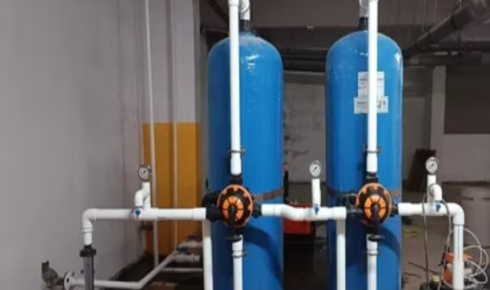
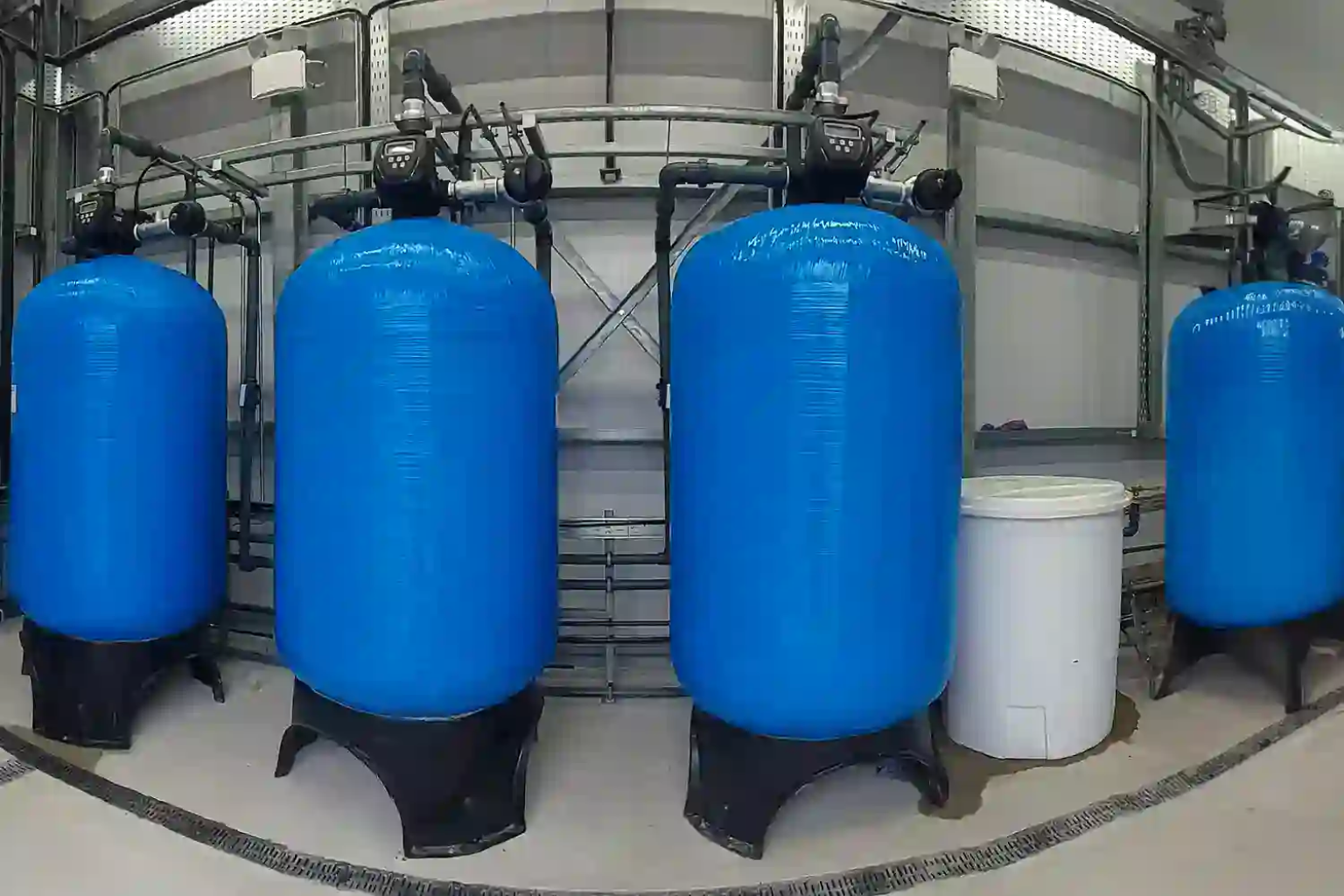
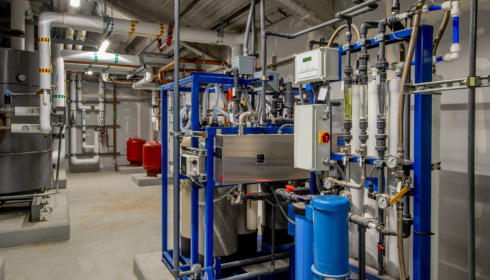
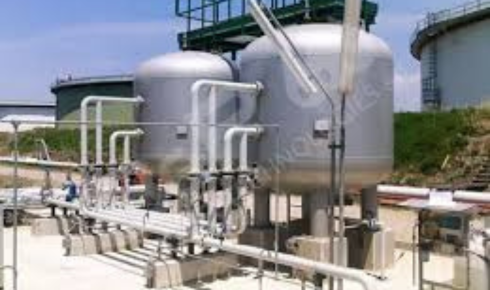
Plenty of homeowners pour money into fancy filters and chlorinators, only to still feel like something’s… off. Enter the quiet powerhouse: the hydrogen peroxide well water system. These systems use a safe, food-grade version of hydrogen peroxide to oxidize (aka break down) contaminants in the water — leaving behind nothing but water and oxygen.
No chlorine smell. No weird taste. No toxic byproducts. Just cleaner water, and a lot less frustration.
Why Not Just Use Chlorine?
Ah, the chlorine question. It’s cheap. It’s widely used. And, for some, it gets the job done. But chlorine also lingers — in the air, in the taste, and in the risks. Hydrogen peroxide, on the other hand, doesn’t hang around. It reacts quickly, vanishes harmlessly, and plays nicely with your plumbing.
In fact, more and more homeowners are making the switch — especially those with sensitive skin or kids in the house. A well water setup with peroxide might sound niche, but once people experience the difference, they rarely look back.
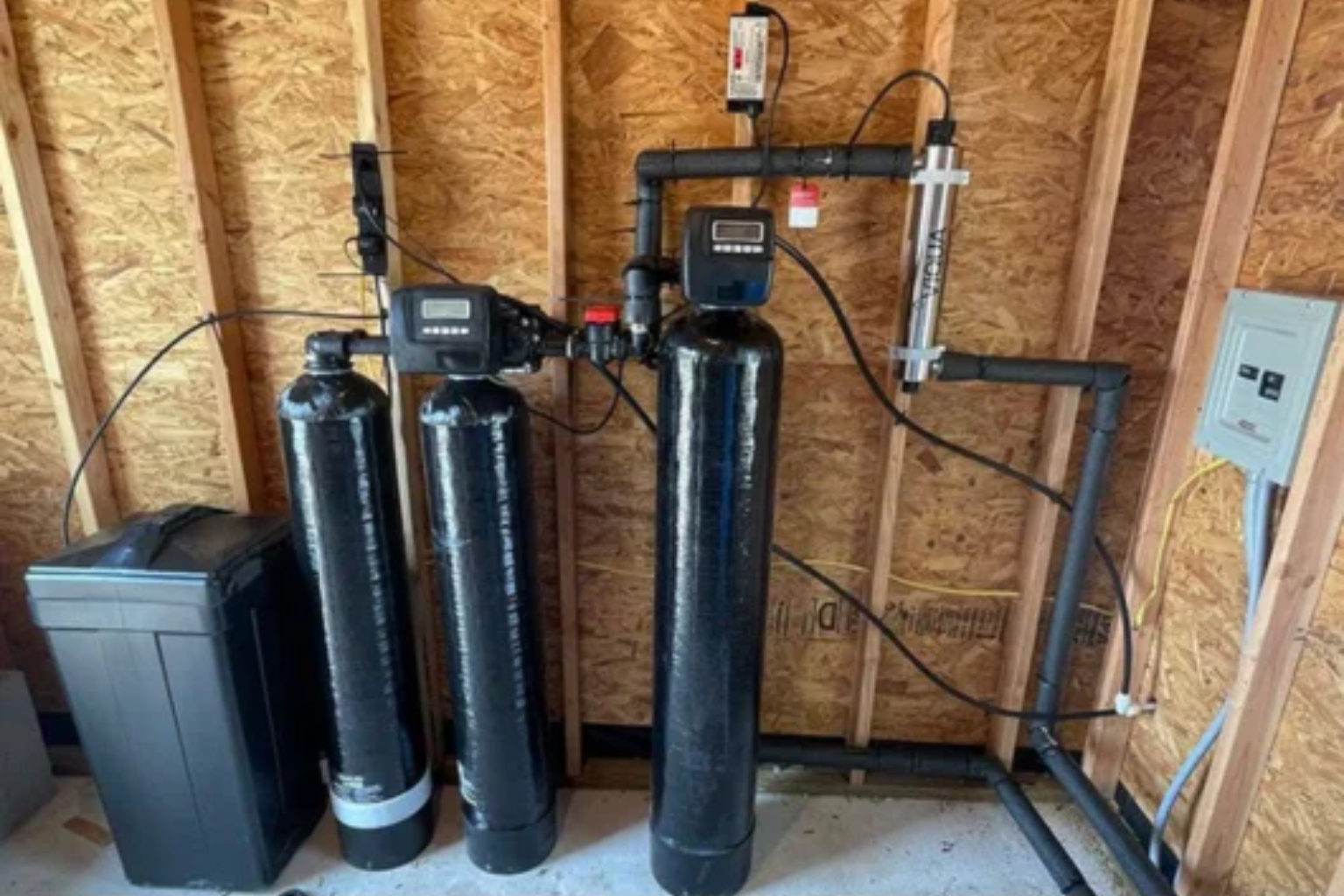
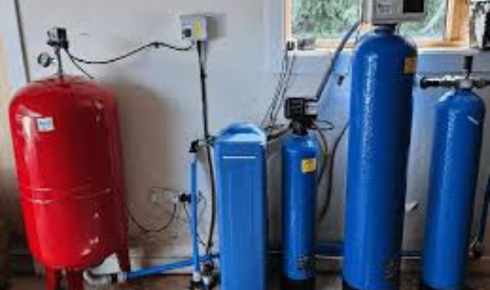
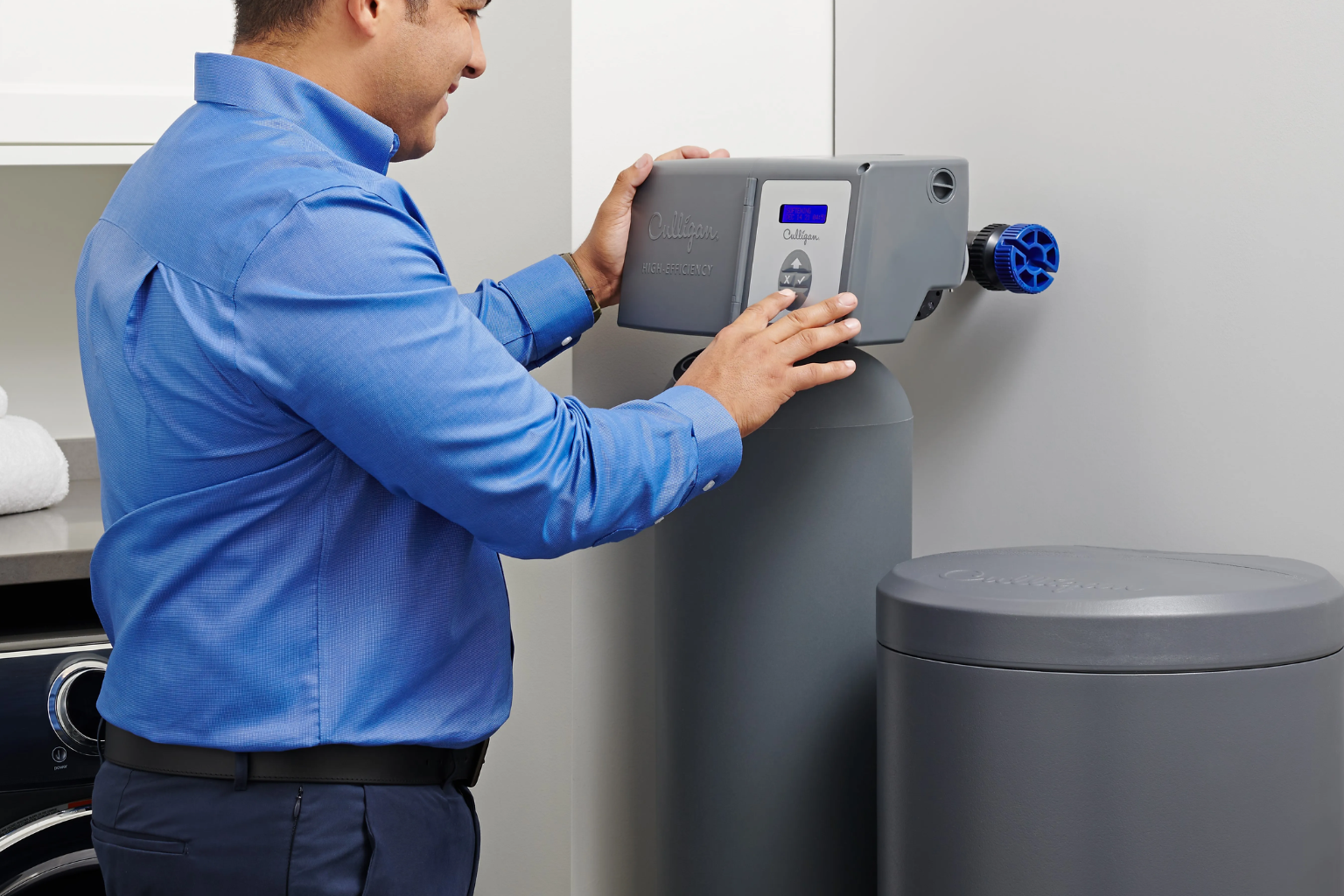
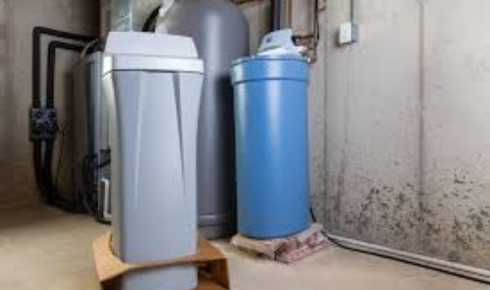
And if you’re wondering where to start, it usually involves adding a hydrogen peroxide water softener to your treatment plan. It’s not just for softening, either — it’s about full-spectrum purification.
What Makes Hydrogen Peroxide Work So Well?
It’s chemistry, but the kind that doesn’t require a PhD to appreciate. Hydrogen peroxide is a strong oxidizer. That means it reacts with things like iron, manganese, and hydrogen sulfide, converting them into solid particles that can easily be filtered out.
The cool part? It’s selective. It targets the bad stuff, reacts fast, and breaks down into oxygen and water. That’s it. It’s like a clean sweep for your water — minus the chemical aftertaste.
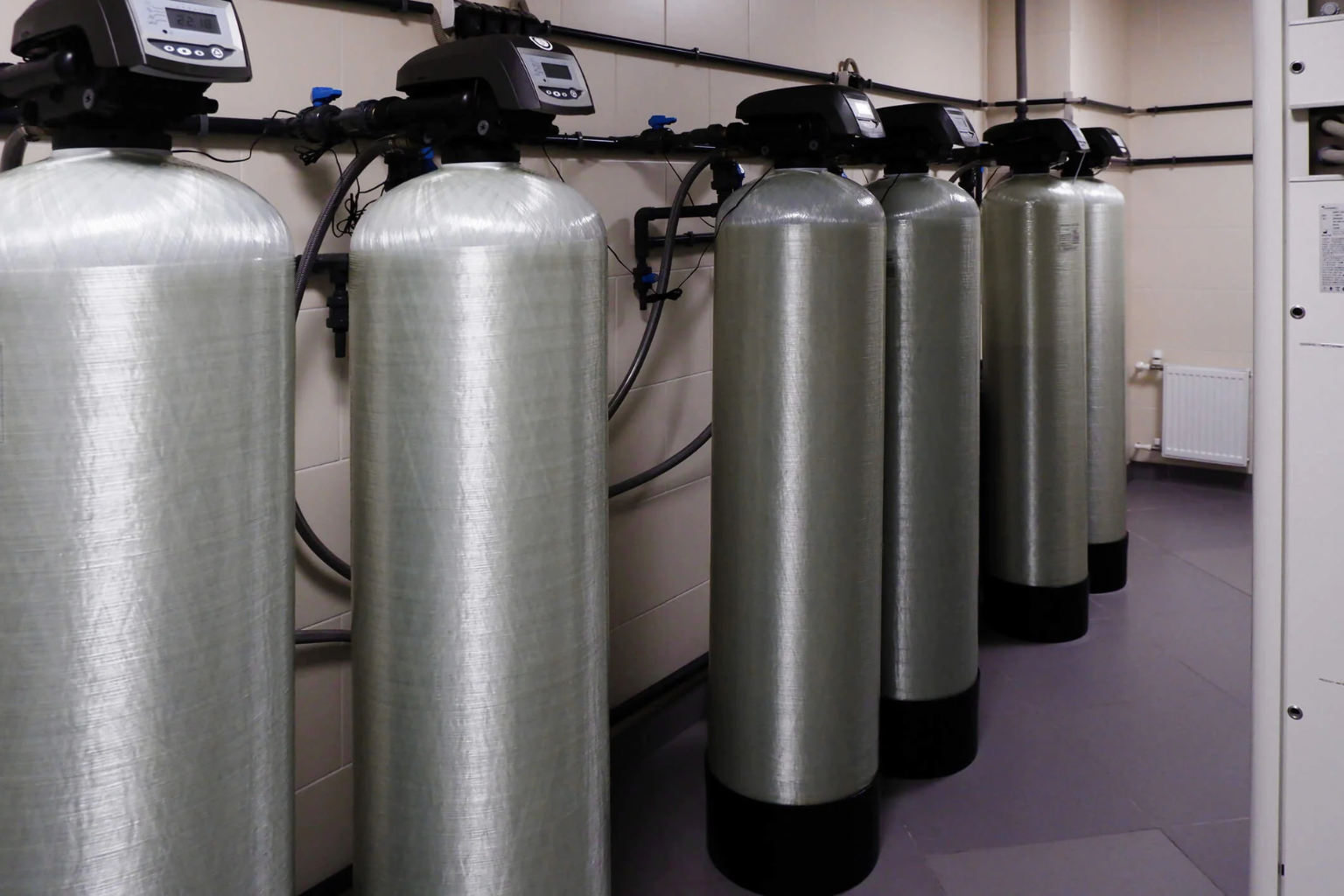
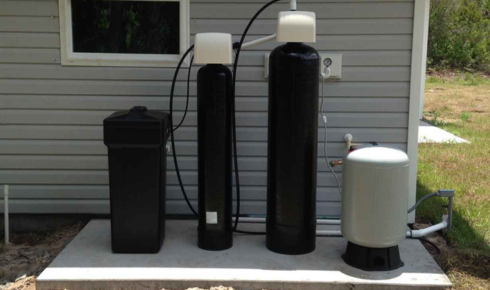
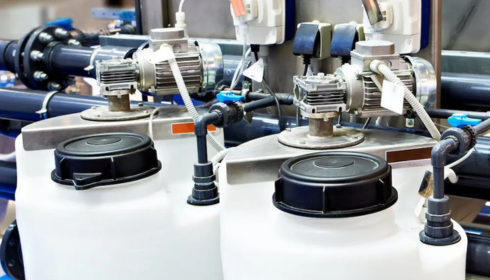
And while the tech behind it is clever, the system setup is refreshingly simple. An injection pump doses small amounts of peroxide into the water line before it reaches your filters. You monitor the level, top it off now and then, and boom — clean, odor-free water all around the house.
How Much Peroxide Do You Really Need?
This is where size matters — not your pipes, but your supply. Most residential setups rely on 7% hydrogen peroxide solution, and it’s usually purchased by the gallon peroxide jug. One gallon might last a couple of weeks, depending on your water usage and the system’s settings.
The good news? You don’t need to constantly babysit it. Many setups come with a holding tank and automatic metering, so once it’s calibrated, it runs in the background. Quietly. Reliably. Like the unsung hero it is.
Of course, storage matters — keep that peroxide in a cool, dark place and out of reach of curious kids or pets. It’s safe when used properly, but it’s still a strong chemical.
Real People, Real Results
You’ll hear stories from people who were at their wit’s end with smelly water or ruined laundry. After trying filters, softeners, even UV light systems, it was peroxide that finally cracked the code.
One couple in rural Pennsylvania said switching to a peroxide system “literally changed our lives” — no more embarrassing guest complaints about the water smell, no more replacing white clothes turned rusty-orange. Just fresh, drinkable, totally odorless water.
Another homeowner in Texas said it felt like they were “bathing in bottled water” after installing peroxide treatment. No chlorine, no irritation — just that clean, soft water feel that makes a hot shower so much better.
What About Installation and Cost?
Surprisingly, it’s not outrageously expensive. The systems can range from $600 to $2,000+ depending on your water quality and house size. Most professional installers can do the job in a day or two, but DIY setups are also common for those who love a weekend project and know their way around tubing and tanks.
Maintenance? Mostly just keeping an eye on peroxide levels and changing the filter media as recommended. Think of it like owning a coffee machine — the better you maintain it, the better it performs. And the payoff is in every glass, every load of laundry, every squeaky-clean dish.
Final Thoughts: Is It Worth It?
If you’re tired of second-guessing what’s coming out of your taps, it’s time to consider hydrogen peroxide as part of your water treatment strategy. It’s not just an alternative to chlorine — it’s a smarter, cleaner, more thoughtful solution.
Not everyone needs it. But for well water households or anyone battling odor, iron, or bacteria, it can be a game-changer. And when you realize your water no longer smells like eggs or leaves your tub looking like a crime scene? You’ll wonder why you didn’t try it sooner.