
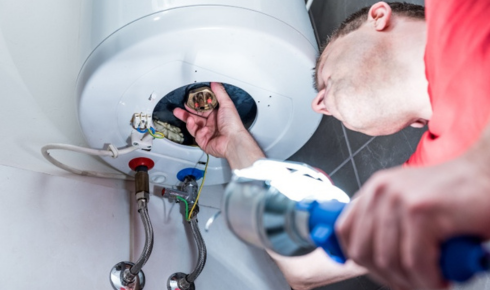
Let’s be honest—water heaters aren’t exactly the kind of thing we daydream about upgrading. We don’t pin them on home improvement Pinterest boards or brag about them at dinner parties. But when the shower goes cold mid-winter, or your energy bill keeps creeping up for no good reason, suddenly that bulky metal tank in your basement becomes a pretty big deal.
So, let’s talk. Not like a boring manual would. Like two real people trying to figure out when it’s time to stop nursing that ancient appliance and finally do something about it.
The Unsung Hero of Your Home
You probably don’t think about your water heater until it stops working. That’s fair. It quietly does its job in the background, heating up water for your morning shower, dishwashing, laundry—you name it. But that convenience isn’t eternal. Most traditional tank-style water heaters last about 8 to 12 years. After that? It’s not if it breaks down, it’s when.
Leaks, strange noises, rusty water, or weak water pressure aren’t just quirks. They’re red flags. And while it’s tempting to keep patching things up, there comes a point where a water heater replacement just makes more financial and practical sense.
Your Wallet Is Trying to Tell You Something
If your utility bills seem higher than usual, it could be more than just inflation or seasonal spikes. An aging heater often guzzles more energy to maintain the same performance. Why? Because sediment builds up at the bottom of the tank, insulating the water from the heating element. That means it has to work harder—and longer—just to get your water hot.
Here’s the kicker: newer models are significantly more energy-efficient. So while the upfront cost might sting a little, your monthly savings can make up for it in the long run. It’s like trading in a gas-guzzling clunker for a smooth, fuel-efficient hybrid. You’ll feel the difference, especially when the utility bills arrive.
If you’ve ever wondered about water heater efficiency, now’s the time to take a closer look. Look for Energy Star ratings, high EF (energy factor) scores, and features like smart thermostats or heat pump tech that adapts to your usage patterns.
Tank or Tankless? It’s Not Just a Trend
Tankless water heaters—those sleek, wall-mounted systems that heat water on demand—aren’t just for techies or minimalists. They can be a smart investment for households that use a lot of hot water or want to free up space. Sure, they cost more upfront, and installation is a bit more involved, but they can last up to 20 years and offer up to 30% more energy efficiency than traditional models.
That said, tank-style units still have their place. They’re often more affordable, and for smaller households or folks who prefer simplicity, they’re just fine. The point is, it’s worth evaluating your needs rather than blindly replacing old with old.
The Trap of DIY Temptation
We get it. You’re handy. Maybe you’ve fixed a leaky faucet or even replaced a garbage disposal on your own. But when it comes to water heaters, there’s more at stake. We’re talking gas lines, high-voltage electricity, pressurized tanks—it’s not a weekend warrior project.
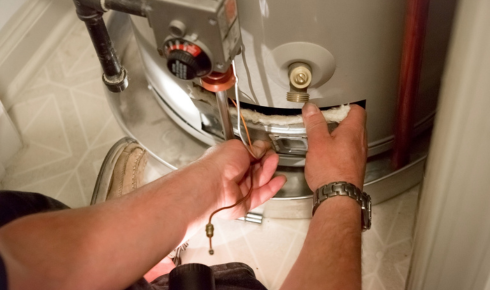
Bringing in pros isn’t just about avoiding risk. A good plumber can assess your home’s needs, suggest energy-saving options, and make sure everything is up to code. Plus, warranties usually require professional installation.
A lot of folks assume plumbing services are just about clogged drains or leaky pipes. But truth is, plumbing services water heaters too—installation, upgrades, repairs, and efficiency consultations. And it’s better to get an expert involved early rather than after you’ve accidentally flooded your utility room.
Signs It’s Time to Say Goodbye
Let’s make it real simple. If your water heater checks two or more of these boxes, start shopping:
- It’s 10+ years old.
- Your water smells metallic or looks rusty.
- There’s a leak near the base.
- You hear rumbling or popping sounds.
- Your hot water runs out too quickly—or isn’t really hot.
Sure, a repair might buy you a little time. But if these issues keep coming back, you’re throwing good money after bad.
Not All Replacements Are Created Equal
Here’s a little-known fact: where you live matters. Water quality varies dramatically depending on your area, and that affects your water heater’s lifespan. If you’re in a hard water zone, minerals like calcium and magnesium build up faster, reducing efficiency and increasing wear and tear.
So, when choosing your replacement, don’t just go for the first option the store throws at you. Ask about features like built-in scale prevention, longer warranties, or models designed for high-demand areas. And if you’re feeling lost, that’s what local plumbers are for—they deal with these regional quirks every day.
Think Long-Term, Not Just Next Week
Let’s be real—replacing a water heater isn’t glamorous. It’s one of those adult decisions that feels more like a chore than a choice. But when done right, it pays off. Not just in smoother morning routines, but in energy savings, peace of mind, and maybe even a little pride in finally checking it off your to-do list.
Don’t wait for a cold shower in January or a puddle under your tank to force your hand. Think ahead. Talk to an expert. Do the math. And if you’re not ready to replace just yet, at least schedule regular maintenance to keep things running as efficiently as possible.
Final Thoughts
At the end of the day, water heaters are workhorses. They’re behind-the-scenes MVPs of everyday comfort. When they fail, they remind us just how much we rely on them. And while replacing one might not be exciting, it’s a solid move toward a more efficient, stress-free home.
So, next time you hear a strange rumble from the utility closet or notice your hot water isn’t quite what it used to be—take the hint. Your future self, warm shower and all, will thank you.