
Water. We drink it, bathe in it, rely on it — and, let’s be honest, most of us don’t really think about it until something goes wrong. A weird taste, a musty smell, a boil-water notice stuck to the kitchen wall. That’s the thing with water: it’s invisible when it works and terrifying when it doesn’t.
But here’s the good news: we’re living in an age where smart technology isn’t just for thermostats and fitness trackers anymore. It’s coming for our faucets, our filters, and our entire water infrastructure — and that’s a very good thing.
Let’s dive in (pun absolutely intended).
The Invisible Crisis We Can No Longer Ignore
It’s 2026, and water issues still dominate headlines: lead in pipes, industrial runoff, chemical spills, droughts, microplastics… the list goes on. While we argue about climate policy and infrastructure budgets, everyday families are left wondering, “Is my water safe to drink?”
Until recently, the only way to know was to send a sample to a lab — an expensive and time-consuming process. Municipal utilities do what they can, but with miles of aging pipes and limited resources, there’s only so much they can monitor.
That’s where technology steps in with a bit of futuristic flair — and a whole lot of practicality.
Real-Time Monitoring: A Game Changer for Public Safety
Imagine if you could see your water’s health the same way you check the weather. Instead of wondering about contaminants, you’d get alerts if your water quality changed — instantly. That’s the promise of real-time water quality monitoring.
These systems use sensors embedded in pipes, treatment plants, and even household plumbing. They measure things like pH, turbidity, temperature, chlorine levels, and heavy metal content on the spot. No waiting. No guesswork.
More impressively, many of these sensors are now connected to cloud platforms, allowing communities, utilities, and even homeowners to track trends over time and react before things go south. Like a digital early warning system for the stuff you can’t see but definitely don’t want to drink.
From City Pipes to Your Pocket: The Smart Water App Revolution
If you’re the kind of person who tracks your steps, heart rate, or even your REM cycles, this next bit might excite you: managing your home’s water is now as easy as opening an app.
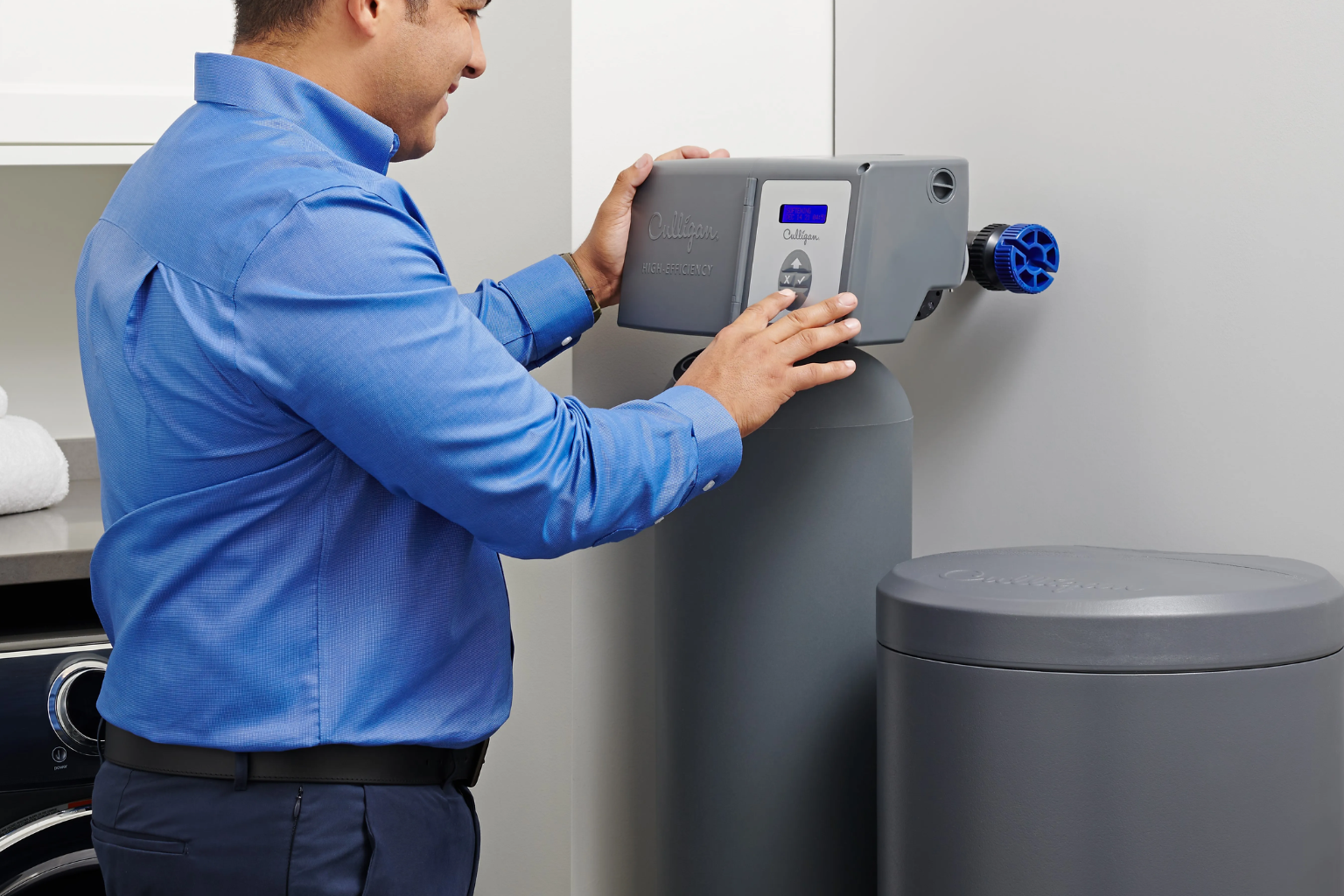
Thanks to advances in Internet of Things (IoT) devices and data visualization, homeowners can now download a smart water system app that gives them control over their personal water ecosystem. Think of it as a dashboard for everything flowing in and out of your pipes.
Need to know how much water you’re using during showers? Curious if your filter’s overdue for replacement? Want to get notified if your pipes freeze while you’re away on vacation? These apps do it all — and more.
Some even integrate with voice assistants or automation platforms like Alexa or Google Home. You can say, “How’s my water?” and actually get an answer. Wild.
The Bigger Picture: Managing Treatment at Scale
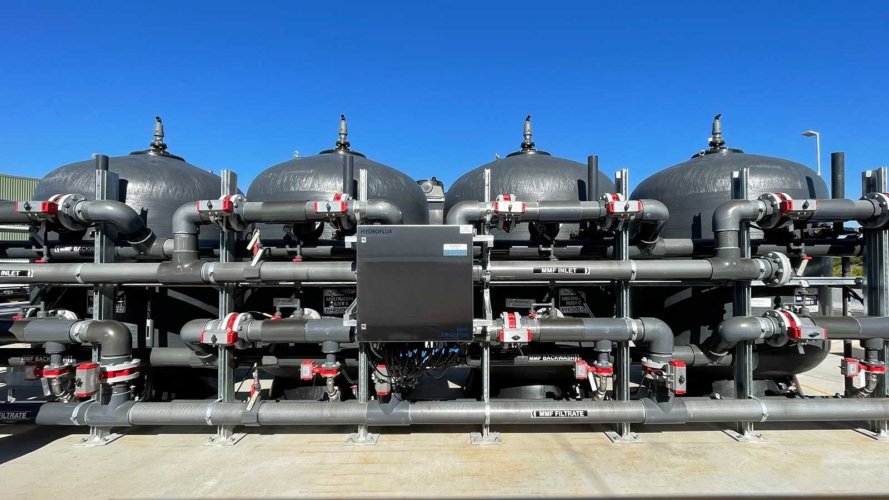
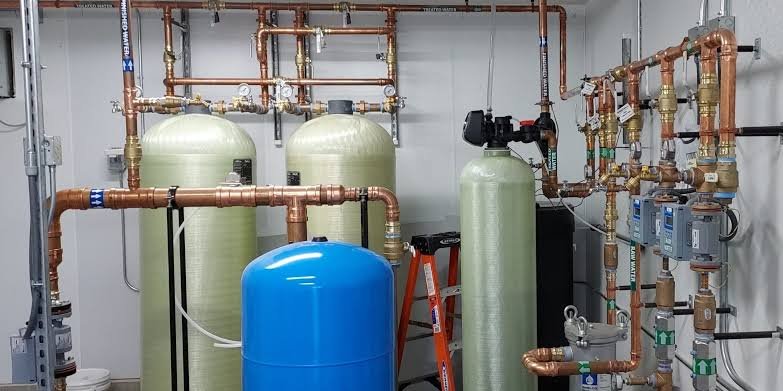
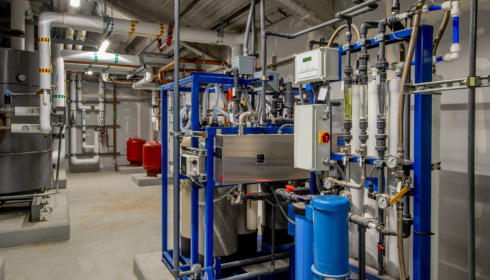
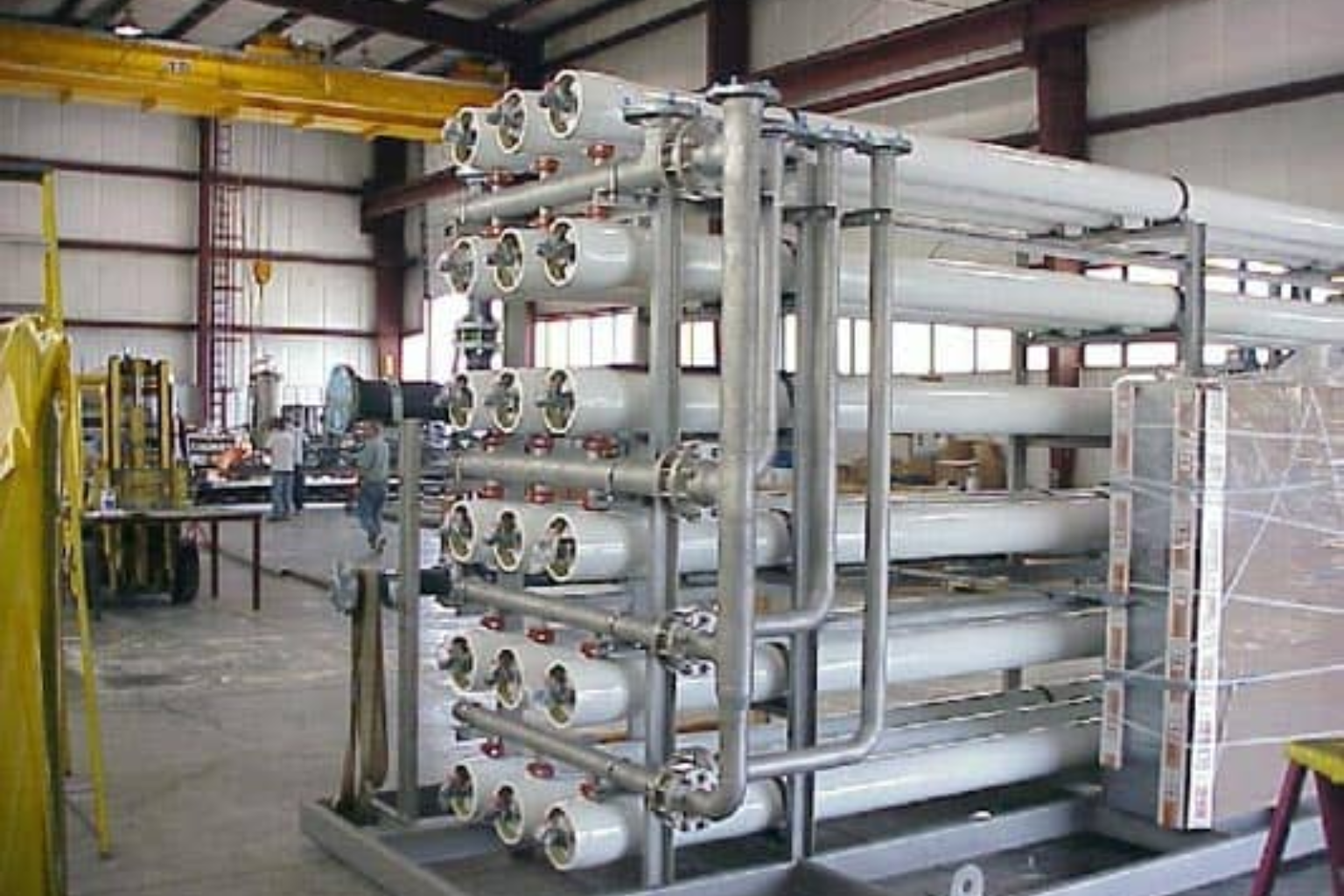
While personal apps and home sensors are powerful, the real magic happens when cities and industries adopt these technologies to manage water treatment on a broader scale.
Let’s take a wastewater treatment plant, for example. Traditionally, much of the decision-making has been based on routine schedules or delayed lab results. Now? Smart sensors and AI-driven analytics allow operators to make real-time adjustments to pH levels, chlorine dosing, and filtration systems based on actual data flowing through the pipes at that moment.
That’s not just convenient — it’s revolutionary. It means safer water, fewer chemicals wasted, faster response to emergencies, and ultimately, cost savings passed down to taxpayers and consumers.
These systems aren’t replacing workers. They’re empowering them. Giving them tools that were unthinkable even a decade ago. That’s progress.
The Environmental Impact: Less Waste, More Awareness
There’s another upside to all this — and it’s a big one.
With water scarcity becoming a growing concern globally, smart monitoring plays a critical role in conservation. By helping detect leaks faster, optimize usage, and reduce unnecessary flushing or over-treatment, we waste less. Period.
And when you combine that with increased public awareness — thanks to intuitive apps and community dashboards — people begin to care more. It’s hard not to when you can see the numbers for yourself. When you’re told, not by a vague public notice, but by your phone saying: “Hey, there’s something off in your tap water today.”
That kind of feedback loop changes behavior. It fosters responsibility.
But Wait… Is This Safe? Is It Private?
You might be wondering: if all this water data is flying around in the cloud, what about privacy? What about hacking?
Fair questions. Like all connected technologies, smart water systems must take cybersecurity seriously. The last thing we need is a rogue actor manipulating chemical levels in a city’s water supply — and yes, that’s a real concern.
The good news is that developers are building with this in mind. Encryption, fail-safes, physical overrides — all are being implemented as standard. Still, it’s a space to watch, and as with any tech, user education and regulatory oversight are essential.
Wrapping It Up: Smarter Water for a Smarter Tomorrow
So, what does all of this mean for you?
It means the era of passive water use is ending. We’re stepping into a time where we know what we’re consuming. Where homes, cities, and businesses all have a pulse on their most vital resource. Where water isn’t just flowing — it’s being monitored, managed, and understood like never before.
Whether you’re a homeowner, a public official, or just someone who prefers your H2O without a side of lead or bacteria, this shift matters. It’s not flashy. It’s not trending on TikTok. But it’s one of the most important tech evolutions happening today — right under our noses, in our pipes, and on our screens.
And let’s be real: if there’s one thing we should be getting smarter about, it’s water.
Bottom Line: Intelligent water monitoring isn’t science fiction. It’s happening now — and it’s changing everything. Whether you’re keeping tabs on your own tap or overseeing a city’s entire system, the tools are here to make water safer, cleaner, and more sustainable. You just have to turn them on.