
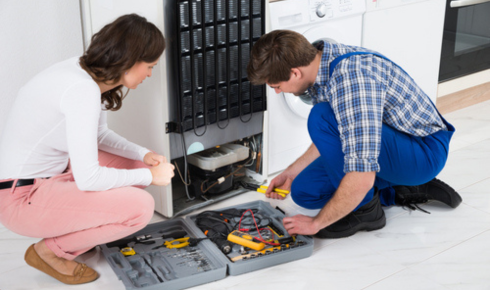
There’s nothing like the gut-punch of opening your fridge only to be hit with the warm air of betrayal—and the smell of spoiled leftovers. It’s in that moment you realize something’s gone very wrong. Maybe it’s a clicking noise. Maybe it’s silence. Either way, your fridge is no longer the chilly fortress it once was, and now you’re staring down a mess of melted ice cream and ruined meal prep.
Before panic sets in, let’s take a breath. Refrigerators, while essential, are often neglected until the day they stop working. And it doesn’t have to be that way. With a little know-how, a few habits, and the right help when things go south, you can dodge disasters and keep your fridge running strong for years.
Let’s talk real-life refrigerator maintenance, minus the techy jargon and robotic checklists. Because at the end of the day, this is about preserving your peace of mind—and your perishables.
The Real Deal with Refrigerator Maintenance
First off, your refrigerator isn’t magic. It’s a hardworking appliance with fans, coils, compressors, and sensors—most of which are silently doing their job, 24/7. Until they’re not. Regular upkeep might not be glamorous, but it’s wildly underrated.
Start by vacuuming the coils every 6 months. Seriously. Those dust-laden coils under or behind your fridge? When they’re dirty, your fridge works harder, burns more energy, and wears itself out faster. Think of it like asking someone to jog in a hoodie during summer.
Next, don’t ignore the door seals. Wipe them down with warm, soapy water every so often and inspect for cracks. A bad seal means cool air escapes and your fridge has to overcompensate—again, not ideal.
And check the temperature! You want your fridge to stay at or below 40°F. If it’s pushing higher, you’re flirting with food safety issues.
This might all sound like small stuff, but refrigerator maintenance isn’t about heroic fixes—it’s about steady prevention. Like flossing for your fridge. Not exciting, but it keeps the big problems away.
When Things Go South: The Anatomy of a Fridge Freakout
No matter how well you take care of your fridge, things can still break. Motors wear out. Thermostats glitch. Ice makers rebel. It’s part of the deal. But knowing the signs early can save you from a full-on fridge funeral.
Look out for:
- Constant running sounds (your fridge shouldn’t sound like a jet engine).
- Pools of water under or inside the fridge.
- Uneven cooling—like frozen lettuce in one drawer and soggy milk in the other.
- Strange odors even after you’ve cleaned everything.
These are your early warning signs. The moment you notice them, it’s time to call in help—not Google DIY fixes that involve duct tape and prayers.
Why Going Local Beats Going Generic
If you’re in Alabama—especially the central part—you’re in luck. Local pros know the climate, common issues, and even brand quirks that happen more often in your area. They don’t just drop in, quote a price, and vanish. They build a reputation fridge by fridge.
That’s where central Alabama fridge service shines. These aren’t just techs with tool belts—they’re neighborhood lifesavers who understand that a broken fridge isn’t just a mechanical issue, it’s a potential disaster waiting to spill across your kitchen floor.
And let’s be honest: the big-box guys? They’ll put you on hold, reschedule twice, and maybe fix it by next Tuesday. Local repair teams often show up the same day, already knowing what your GE or Whirlpool might be up to.
The Magic of a Fast Fix
Time is everything when your fridge is down. Every minute matters when milk, meat, and meds are on the line. That’s why response speed matters just as much as repair quality.
Nothing beats a fast refrigerator fix when the stakes are high. The faster you call, the faster you save your groceries—and your nerves. Smart techs carry common parts in their vans. They troubleshoot fast. They’ve seen it all and don’t need two hours to diagnose a faulty defrost timer.
More importantly, speed doesn’t mean shortcuts. It means experience. It’s the kind of confidence that comes from fixing hundreds of fridges and knowing how to stop a problem before it becomes a full-blown meltdown (literally).
What You Can Do Right Now (Yes, Before Something Breaks)
Here’s the part we often ignore—until it’s too late. You don’t have to wait until something breaks to take action. Here are three things you can do right now to show your fridge some love:
- Declutter the inside – Overstuffed shelves block airflow. Your fridge needs space to breathe. Keep it ⅔ full for optimal performance.
- Level it out – If your fridge rocks slightly when you open the door, that’s not cute—it’s trouble. A level fridge keeps doors closed tight and fluids where they belong.
- Listen to it – You know your fridge’s usual hum. If it starts sounding different—buzzier, louder, inconsistent—it’s trying to tell you something.
Do these and you’re already ahead of 90% of people who treat their fridge like a magical cold box.
So, What’s the Bottom Line?
Your fridge doesn’t ask for much. A little cleaning, a little listening, and quick action when things go off track. It’s a quiet, reliable hero—until it’s not.
Don’t wait for spoiled leftovers or melted ice packs to remind you it exists. Keep it running with a mix of care, awareness, and trusted repair support when needed.
And if you’re ever in a jam, don’t panic. There are pros out there who get it—the urgency, the mess, the need for clarity. Reach out. Get help. Save the chicken curry and your sanity.
Because, in the end, a well-maintained fridge isn’t just about cooling. It’s about keeping your kitchen, your meals, and your life running smoothly.