
There’s a certain kind of magic that happens when a space just works. You walk into a home and everything feels intentional—like the light knows where to land, the layout flows without friction, and every finish quietly complements the next. But behind that sense of harmony isn’t luck or a well-placed rug. It’s collaboration. Honest, thoughtful, sometimes messy—but always worth it—collaboration.
Designing a home isn’t about slapping together a few pretty materials and calling it a day. It’s about tuning in to the rhythms of everyday life. And to get that right? You need a team that’s speaking the same language—from architects and builders to designers and homeowners.
It All Starts at Home: The Value of Residential Design Services
When most people think about building or renovating a home, they jump straight to the big stuff—walls, roofs, square footage. But the true personality of a home lies in the details, the transitions, the small decisions that are often invisible to the eye, but deeply felt.
That’s where great residential design services come in.
A strong design team doesn’t just make things look good—they make things liveable. They ask the right questions: Do you like to host? Need a quiet corner to decompress? Hate overhead lights? Love to cook but have zero interest in cleaning up after? These nuances might seem small, but they inform everything—from cabinet placement to lighting layers to whether your kitchen island is just for prep or also a homework station.
Great design meets you where you are and nudges your space to serve you better. It’s not about luxury. It’s about alignment.
When Many Voices Create One Vision
Here’s the truth: no one person has all the answers. Not the architect. Not the designer. Not even the homeowner. That’s where true design collaboration becomes essential.
Collaboration doesn’t mean agreeing on everything. It means respecting everyone’s expertise and staying open enough to hear perspectives that might challenge your own. Maybe the builder knows a more efficient way to frame that corner. Maybe the designer sees an opportunity to pull in more light. Maybe you, the client, realize halfway through the project that your priorities have shifted—and the team needs to pivot.
The best projects have room for evolution. They’re not afraid of second drafts or tough conversations. Because in the end, when everyone’s working toward the same vision (even if the road there takes a few twists), the results speak for themselves.
Architects + Designers = Dream Team (If You Let Them Be)
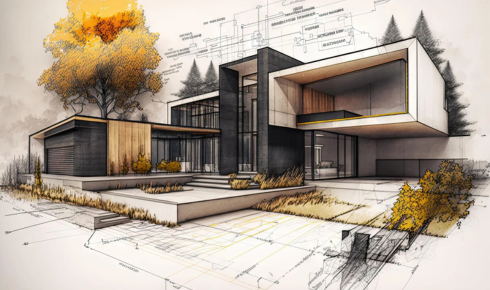
There’s this old myth that architects and interior designers always clash—like there’s a turf war over who gets to “own” the design. But honestly? That’s outdated thinking. The best outcomes happen when there’s fluid, respectful architect coordination built into the process from day one.
Architects lay the bones. Designers shape the soul. And when those two forces are in sync, magic happens. That window gets moved six inches to perfectly frame the sunrise view over the trees. The ceiling gets lowered just slightly in the hallway to create a cozier transition into the living room. The cabinetry tucks into the architecture instead of sticking out awkwardly like an afterthought.
It’s the small moves, made together, that create homes people fall in love with—not just because they’re beautiful, but because they feel right.
Don’t Underestimate the Power of Process
Look, it’s tempting to skip steps when you’re excited about a project. You find yourself two hours deep into lighting fixtures before anyone’s finalized the floor plan. Or you’re picking backsplash tile before you’ve nailed down the countertop material.
But here’s the thing: great design doesn’t come from rushing decisions. It comes from layering them—one smart step at a time. It’s about balancing creativity with strategy. Dreaming big, yes—but also keeping an eye on budget, timeline, and how things will actually get built.
Your design team should guide you through that process—not bulldoze through it or disappear when decisions get hard. They should be your partners, your advocates, and sometimes, your guardrails.
What Success Really Looks Like
You know what no one tells you? The most successful design projects don’t always go perfectly. Materials arrive late. Something unexpected shows up behind that old wall. The light you loved online looks totally different in your space. It happens.
But when the team is strong—when collaboration is baked into the DNA of the project—those challenges don’t derail things. They become opportunities to get creative. To problem-solve together. To build trust.
And at the end? Success isn’t just about the end result. It’s about how you felt along the way. Did you feel heard? Were your ideas respected? Did you enjoy the process, even when it got a little chaotic?
If the answer is yes, then congratulations—you didn’t just build a beautiful space. You built a great experience. And that stays with you long after the paint dries.
Final Thoughts: Make It Yours, Together
Homes aren’t built in silos. They’re not designed in a vacuum. They’re shaped by conversations, decisions, compromises, and collective care. And that’s a good thing.
So if you’re dreaming up your next project—whether it’s a new build, a gut renovation, or something in between—surround yourself with people who listen well, speak honestly, and want what you want: a space that reflects your life, your values, and your version of comfort.
Lean into the process. Embrace the collaboration. Trust the team. Because when all the pieces come together, and the wires are buried, and the paint has dried, and the furniture is in—you’ll look around and feel it: