

Most of us don’t think twice about turning on the tap. It’s one of those everyday actions so routine it feels almost invisible. You fill a glass, rinse vegetables, start a load of laundry — all without questioning what’s actually flowing through the pipes.
But then one day, something shifts. The water looks slightly cloudy. Soap doesn’t rinse off quite right. Or there’s that faint, earthy smell after a heavy rain. Nothing dramatic, just small, nagging clues that your water isn’t exactly what you assumed it was.
And that’s usually when curiosity kicks in. What’s really in our water? And more importantly — what can we do about it?
The Many Layers of Water Quality
Water quality isn’t a single, simple issue. It’s a combination of factors: mineral content, microbial presence, chemical additives, and physical particles. Some of these are harmless, while others can affect health, taste, or comfort.
What makes things complicated is that many water issues aren’t visible. Clear water can still contain bacteria or dissolved substances. And sometimes, the most noticeable problems — like discoloration or odor — come from relatively minor causes.
That’s why modern water treatment focuses on multiple layers of filtration and purification rather than relying on a single solution.
Because water quality isn’t just one problem — it’s a system.
How Ultraviolet Technology Changed Water Safety
One of the most fascinating advancements in water purification is light treatment, often known as UV disinfection. Instead of adding chemicals, this method uses ultraviolet light to neutralize harmful microorganisms like bacteria and viruses.
It sounds almost futuristic, but the concept is surprisingly straightforward. Water flows past a UV lamp, and the light disrupts the DNA of pathogens, preventing them from reproducing.
The biggest advantage is simplicity. UV treatment doesn’t alter taste, introduce chemicals, or remove beneficial minerals. It simply ensures that biological contaminants can’t pose a risk.
Many homeowners find comfort in knowing their water is protected at a microscopic level — even when they can’t see the difference.
It’s a quiet form of protection, working silently every time the tap is turned on.
Living With Hard Water: A Common but Frustrating Reality
While biological safety is crucial, mineral content remains one of the most noticeable challenges for many households. Hard water, rich in calcium and magnesium, can create a range of everyday annoyances.
Dishes develop spots. Showerheads clog. Laundry feels rough. Even skin and hair can feel dry after bathing.
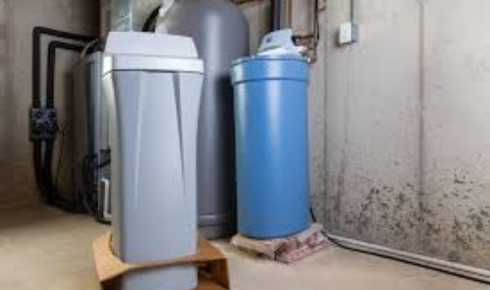
This is where water softeners come into play. These systems remove excess minerals through an ion exchange process, replacing them with sodium or potassium ions.
The change can be surprisingly noticeable. Soap lathers better, appliances last longer, and surfaces stay cleaner. Over time, softened water often reduces maintenance costs and improves overall comfort.
It’s not about fixing something dangerous — it’s about eliminating persistent inconveniences that quietly affect daily life.
Tackling the Visible Side of Water Problems
Sometimes, water quality issues are much more obvious. Sediment — tiny particles of sand, rust, or organic debris — can enter water supplies through natural sources or aging infrastructure.
You might notice it as cloudy water, gritty textures, or buildup in faucets and appliances.
This is where sediment filters play a crucial role. These filters capture physical particles before they can spread through household plumbing. They’re often the first line of defense in multi-stage water treatment systems.
What many homeowners don’t realize is that sediment filtration also protects other treatment components. By removing larger particles early, it helps extend the lifespan of more advanced purification systems.
It’s a simple solution, but an essential one.
The Emotional Comfort of Clean Water
Beyond technical details, there’s an emotional aspect to water quality that often goes unspoken.
Clean water creates confidence.
It’s the reassurance of filling a child’s glass without hesitation. The comfort of taking a long shower without worrying about skin irritation. The quiet satisfaction of cooking with water that tastes pure and fresh.
When water quality improves, people often describe feeling more relaxed at home. Not because they constantly think about it — but because they no longer have to.
And that sense of ease matters more than we sometimes realize.
Small Steps That Lead to Big Improvements
One encouraging truth is that improving water quality doesn’t require a massive overhaul. Many households start with simple solutions — basic filtration, routine testing, or targeted treatments based on specific issues.
Over time, these incremental changes create a reliable system that supports both health and comfort.
The key is awareness. Understanding what’s in your water allows you to choose the right treatment rather than guessing.
And once you take that first step, the path forward often becomes much clearer.
A Thoughtful Ending: Respecting the Water We Depend On
Water is one of life’s most essential resources, yet it’s also one of the easiest to overlook. It flows quietly through our homes, supporting countless daily routines without demanding attention.
Taking time to improve water quality isn’t about fear or overcomplication. It’s about respect — for our health, for our homes, and for the resource itself.