Electricity is something we use every day without giving it much thought—switch on a light, charge a phone, run a fan. But behind these simple actions lies a fascinating world of circuits, components, and creative experimentation. Whether you’re a student, hobbyist, or someone just curious, exploring electricity projects can be both fun and incredibly educational.
Let’s break it down in a way that actually makes sense.
What Are Electricity Projects?
Electricity projects are hands-on experiments or builds that help you understand how electrical systems work. These can range from very simple setups—like lighting an LED with a battery—to more complex ones such as building a mini inverter or a smart home circuit.
The beauty of these projects is that they teach you by doing. You don’t just read theory; you see results instantly. For beginners, projects like creating a basic circuit using a bulb, battery, and switch are a great starting point. As you progress, you can move on to things like motion sensors, solar-powered devices, or even Arduino-based automation.
Why Learning Through Projects Works Better
Let’s be honest—reading textbooks can get boring quickly. But when you build something with your own hands, it sticks. You understand why a wire connection matters, what happens if polarity is wrong, and how current flows in real life.
Electricity projects also develop problem-solving skills. Sometimes things don’t work, and that’s where real learning happens. You troubleshoot, test again, and eventually figure it out. That process builds confidence.
Basic Electronic Components Explained
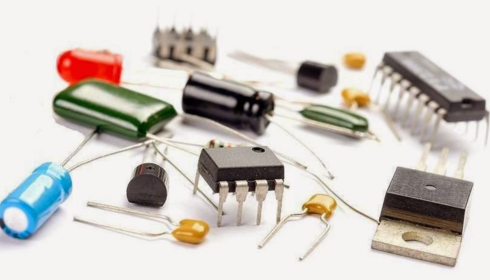
Before jumping into projects, you need to know about basic electronic components. These are the building blocks of any electrical system. Without understanding them, projects can feel confusing.
Here are a few essential ones:
- Resistor: Controls the flow of current. Think of it as a speed breaker for electricity.
- Capacitor: Stores electrical energy temporarily and releases it when needed.
- Diode: Allows current to flow in only one direction. Useful in protecting circuits.
- LED (Light Emitting Diode): A type of diode that emits light when current passes through it.
- Transistor: Acts like a switch or amplifier, controlling signals in circuits.
- Battery: The power source that drives everything.
These components might look small, but they play huge roles in how devices function.
Simple Project Ideas to Start With
If you’re just starting out, here are a few easy project ideas:
- LED Circuit: Use a battery, resistor, and LED to create your first glowing circuit.
- Buzzer Alarm: Build a simple alert system using a buzzer and switch.
- Touch Sensor: Create a basic touch-based switch using minimal components.
- Solar Light: Use a small solar panel to power an LED—perfect for understanding renewable energy basics.
These projects don’t require expensive tools, and you can often build them with easily available kits.
Common Mistakes Beginners Make
Everyone makes mistakes in the beginning. Some common ones include:
- Connecting components in the wrong direction
- Using incorrect resistor values
- Ignoring safety (like short circuits)
- Not checking connections properly
The key is not to get frustrated. Every mistake teaches something useful.
Final Thoughts
Learning about electricity doesn’t have to be complicated or boring. With the right approach, it can actually be quite exciting. Starting with simple electricity projects and gradually understanding basic electronic components creates a strong foundation that can take you into advanced electronics, robotics, or even engineering.
And honestly, there’s something satisfying about seeing a circuit you built come to life—it’s a small moment, but it feels like magic.