
There’s a quiet shift happening in homes everywhere. It’s not dramatic like a full demolition or flashy like a viral makeover. It’s subtler than that. People are rethinking how their spaces actually function — and how they feel.
Maybe you’ve caught yourself staring at your kitchen cabinets, wondering why they suddenly look dated. Or maybe your bathroom feels less like a retreat and more like a cramped necessity. It’s not that your house is failing you. It’s just that life evolves.
And when life changes, homes should keep up.
The Kitchen Isn’t Just for Cooking Anymore
If there’s one room that reflects lifestyle changes most clearly, it’s the kitchen. It used to be hidden away. Now it’s the social center. Homework happens there. Late-night talks happen there. Even remote work sneaks in between coffee refills.
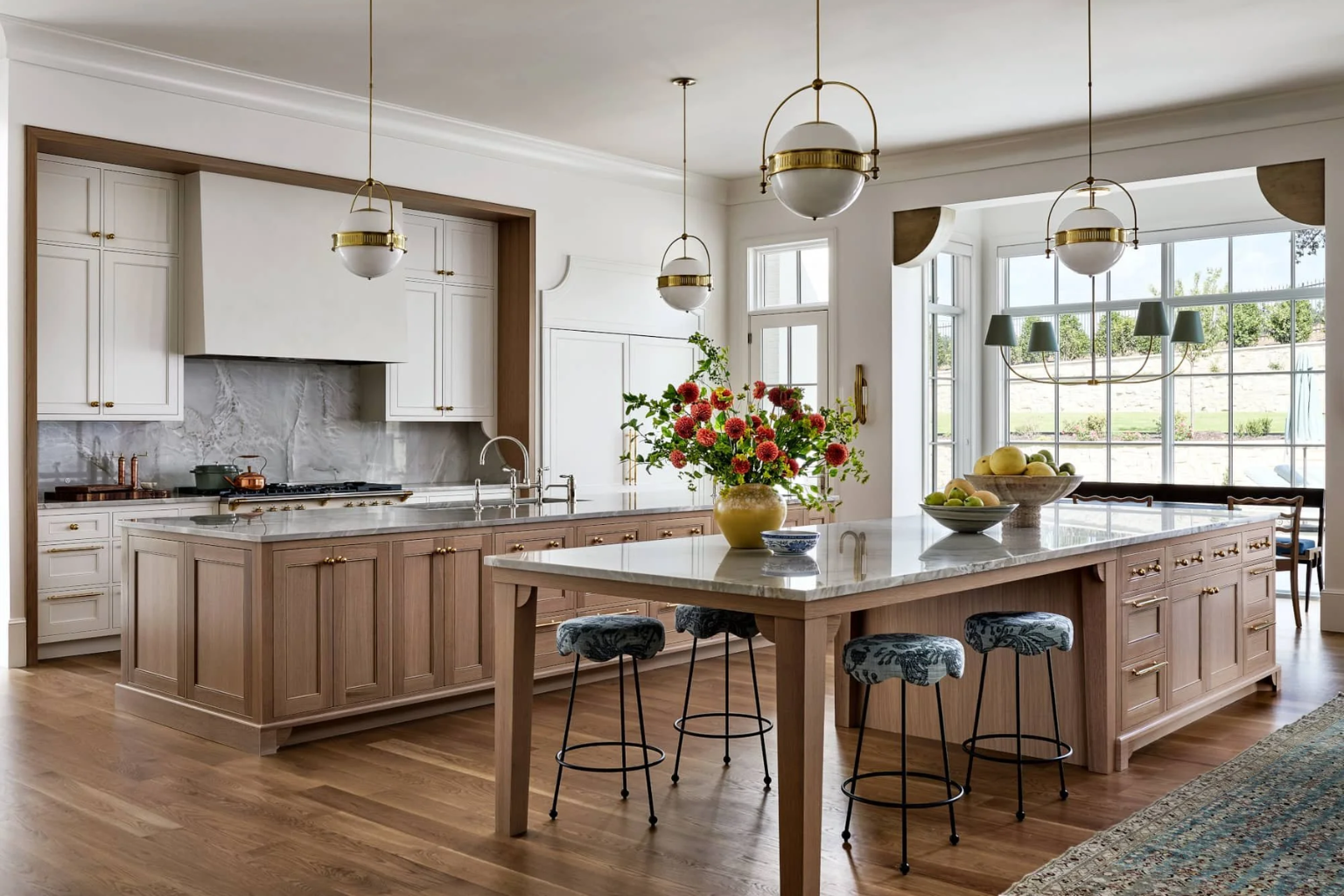
Current kitchen design trends lean toward openness and flexibility. Think larger islands that double as gathering spaces. Storage that hides clutter instead of displaying it. Warm, natural materials paired with modern lines.
But here’s the thing — trends are only helpful if they serve your routine.
Before jumping into bold cabinet colors or mixed metal fixtures, ask yourself a simple question: What frustrates me daily in this space?
Is it lack of prep space? Poor lighting? Awkward appliance placement?
Design improvements should solve real problems. A beautiful kitchen that doesn’t function well won’t feel satisfying for long.
Small Bathroom Changes, Big Impact
Bathrooms might not host dinner parties, but they shape your mornings and evenings more than you realize.
Refreshing outdated tile or upgrading fixtures can instantly elevate the atmosphere. But thoughtful bathroom updates go deeper than surface-level swaps.
Improved lighting can make a small bathroom feel larger. Floating vanities can create visual space. Walk-in showers with frameless glass add both accessibility and elegance.
And don’t underestimate ventilation. Proper airflow prevents moisture damage and improves comfort — something people often overlook until it becomes an issue.
Bathrooms don’t need to be extravagant. They just need to feel calm and functional.
Trends vs. Timeless Choices
One of the trickiest parts of remodeling is balancing what’s popular with what will last.
Matte black fixtures, statement backsplashes, and bold paint colors are having their moment. But will they feel relevant in five years?
Neutral foundations tend to age better. Natural wood tones, simple tile patterns, and classic hardware create flexibility. You can always layer in personality with decor.
It’s okay to borrow from trends — just don’t let them drive every decision.
Planning Makes the Difference
Before swinging a hammer or ordering materials, pause.
Solid home remodel tips almost always begin with planning. Define your budget clearly. Identify must-haves versus nice-to-haves. Build in a cushion for unexpected surprises — especially in older homes where hidden issues can surface.
Talk to professionals early. Designers and contractors can spot layout challenges you might miss. Their input can save money and frustration down the line.
And remember: phased remodeling is perfectly valid. You don’t have to transform everything at once.
Lighting: The Overlooked Game-Changer
One of the simplest ways to transform a space is through lighting.
Layered lighting — combining ambient, task, and accent lighting — changes how rooms feel instantly. Under-cabinet lights in kitchens improve functionality. Wall sconces in bathrooms soften harsh overhead glare.
Natural light matters too. Enlarging windows or choosing lighter finishes can amplify brightness without structural changes.
It’s amazing how much mood shifts with better illumination.
Storage That Actually Works
Clutter creates stress. Period.
Smart storage solutions reduce visual chaos and make daily routines smoother. Deep drawers in kitchens. Built-in niches in showers. Custom closet systems in bedrooms.
When everything has a place, spaces feel intentional rather than overcrowded.
And intentional spaces feel calmer.
Renovation as Reflection
Here’s something people don’t often say out loud: remodeling isn’t just about aesthetics. It’s about identity.
As lifestyles change — remote work, growing families, downsizing — homes need to adapt.
Maybe you need a quiet office corner now. Maybe you want a more open kitchen for hosting. Maybe you’re simply craving a fresh start.
Renovation reflects who you are today, not who you were when you first moved in.
Avoiding Renovation Fatigue
Big projects can feel overwhelming.
Break decisions into manageable pieces. Focus on one room at a time. Keep communication open with contractors.
And give yourself grace. Not every choice will feel perfect, and that’s okay.
Homes evolve gradually. Perfection isn’t the goal — alignment is.
Final Thoughts: Creating a Home That Feels Like You
At the end of the day, design isn’t about impressing guests or following trends.
It’s about creating spaces that support your routines and reflect your personality.
Whether you’re refreshing a kitchen, modernizing a bathroom, or simply rethinking layout, thoughtful changes can make daily life smoother.
Because when your home works with you — not against you — everything else feels a little easier.
And sometimes, that’s the most valuable upgrade of all.