
There are plenty of things around the house that demand our attention. Lawns need mowing, gutters need cleaning, roofs need inspecting, and air filters eventually need replacing. Yet one appliance quietly works every single day without much recognition—the water heater.
It’s easy to forget it’s even there. Until, of course, you step into the shower expecting warm water and get an icy surprise instead.
That sudden moment of frustration is something many homeowners experience, but it rarely happens without warning. Water heaters usually show subtle signs that something isn’t quite right. Learning to recognize those signs and taking action early can save money, reduce stress, and help your system last years longer than expected.
Your Water Heater Works Around the Clock
Unlike many household appliances that operate only when needed, a water heater is always on standby.
Even while everyone is asleep, it’s maintaining water temperature so hot water is available whenever someone turns on a faucet. From morning showers to evening dishwashing and countless loads of laundry, it quietly supports daily routines without much appreciation.
That constant workload naturally creates wear over time.
Heating elements weaken, valves begin to age, thermostats drift out of calibration, and mineral deposits slowly collect inside the tank. These changes happen gradually, which is why regular inspections are so valuable.
The Warning Signs Are Often Easy to Miss
One of the biggest misconceptions about water heaters is that they simply stop working without notice.
In reality, they usually provide plenty of clues beforehand.
You may notice that hot water doesn’t last quite as long as it used to. Perhaps the tank begins making rumbling or popping sounds. Sometimes rusty-colored water appears at the faucet, or the temperature seems inconsistent from one day to the next.
Many homeowners ignore these symptoms because the system still functions.
Unfortunately, that’s often when small problems quietly become expensive ones.
Early Repairs Save More Than Money
Addressing issues early isn’t only about reducing repair costs.
Minor component failures place additional stress on the entire system. A struggling heating element, clogged burner, or faulty thermostat forces the water heater to work harder than necessary, increasing both energy consumption and wear.
Professional repair services allow technicians to diagnose these concerns before they affect larger components.
Replacing one inexpensive part today may prevent replacing the entire system next year.
It’s a practical investment that often pays for itself.
Hard Water Can Shorten Equipment Life
If your home has hard water, minerals naturally settle inside the storage tank over time.
Calcium and magnesium accumulate on the bottom, creating a thick layer of sediment that reduces heating efficiency. Instead of warming water directly, the heating source first has to work through the mineral deposits.
This process wastes energy while placing unnecessary strain on the equipment.
Routine flushing removes much of this buildup, improving both performance and efficiency.
It’s a simple maintenance step that’s frequently overlooked.
A Healthy Plumbing System Supports Everything Else
Water heaters don’t operate independently.
Their performance depends on the condition of your home’s pipes, valves, water pressure, and overall plumbing network. Hidden leaks, pressure issues, aging supply lines, or partially blocked pipes can all influence how efficiently a water heater performs.
That’s why experienced plumbers often recommend evaluating the entire system rather than focusing on one appliance alone.
Comprehensive plumbing solutions help identify underlying issues that might otherwise continue affecting water heater performance even after repairs are completed.
Looking at the bigger picture usually produces better long-term results.
Energy Efficiency Starts With Proper Maintenance
Most homeowners appreciate lower utility bills, but few realize how much an aging water heater can affect monthly energy costs.
As components wear and sediment builds inside the tank, heating cycles become longer and less efficient. The equipment consumes more electricity or gas simply to maintain the same water temperature.
Routine inspections restore proper operation by ensuring burners, heating elements, thermostats, valves, and safety controls all function correctly.
Small improvements in efficiency may seem insignificant each month, yet they add up considerably over several years.
Maintenance Is Easier Than Emergency Repairs
Nobody enjoys dealing with household emergencies.
Unfortunately, water heaters seem to fail at the least convenient moments—before family gatherings, during holidays, or on cold winter mornings when hot water feels especially important.
Scheduling regular water heater maintenance dramatically reduces the likelihood of these stressful situations.
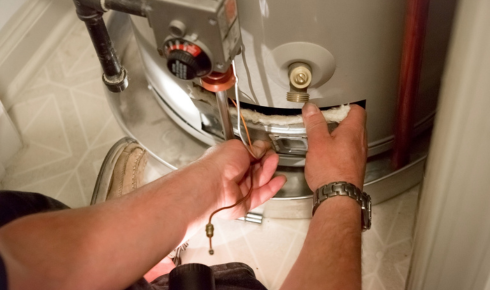
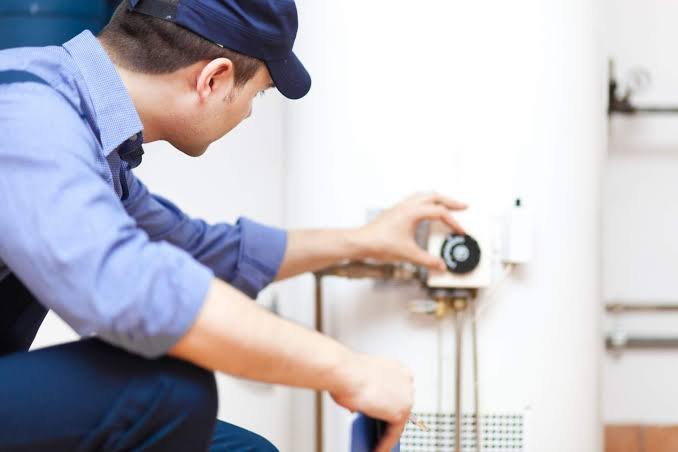
During a preventive service visit, technicians can flush sediment, inspect electrical or gas components, test pressure relief valves, examine fittings, verify thermostat accuracy, and check for hidden leaks.
These appointments typically require far less time, money, and inconvenience than emergency replacements.
Knowing When Replacement Is the Better Choice
Even the best-maintained water heater eventually reaches the end of its service life.
If repairs become increasingly frequent or the storage tank itself develops corrosion, replacing the unit often makes more financial sense.
Today’s high-efficiency models offer better insulation, improved controls, and lower energy consumption than many older systems.
For some households, tankless water heaters may provide even greater efficiency while delivering continuous hot water on demand.
Choosing between repair and replacement depends on the equipment’s age, condition, and long-term operating costs.
A trusted plumbing professional can help homeowners make an informed decision based on practical value rather than unnecessary upselling.
Choosing the Right Plumbing Professional
Not every plumbing company provides the same level of expertise or customer care.
When selecting a contractor, homeowners should consider licensing, experience, customer reviews, response time, transparent pricing, and warranty support.
Reliable professionals explain findings clearly, answer questions patiently, and recommend solutions based on the home’s actual needs.
Building a relationship with a trusted service provider before an emergency occurs often makes future repairs much less stressful.
Knowing exactly who to call provides peace of mind that can’t easily be measured.
Small Habits That Make a Big Difference
Professional maintenance is essential, but homeowners also play an important role in protecting their equipment.
Checking periodically for visible leaks, listening for unusual noises, keeping the surrounding area clean, and maintaining appropriate thermostat settings all contribute to longer system life.
Even paying attention to small changes in water temperature or pressure can help identify developing problems early.
Consistent awareness often prevents major repairs.
Final Thoughts
A dependable water heater quietly supports nearly every part of daily life, from relaxing morning showers to clean dishes and fresh laundry. Because it works behind the scenes, it’s easy to overlook until something goes wrong.
Fortunately, most water heater problems develop gradually, providing homeowners with plenty of opportunities to act before a complete failure occurs. Routine inspections, timely repairs, and preventive maintenance not only improve reliability but also reduce energy costs and extend the life of the equipment.
At the end of the day, caring for your water heater isn’t simply another household chore. It’s an investment in comfort, efficiency, and peace of mind. A little attention today can prevent a great deal of inconvenience tomorrow, allowing one of your home’s hardest-working appliances to continue doing exactly what it’s designed to do—quietly making everyday life easier.