
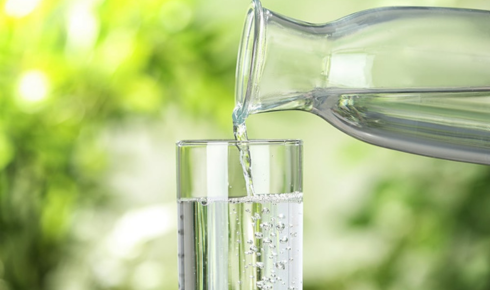
There’s a certain calm that comes with holding a cold glass of water in your hand—clear, still, pure. And in recent years, that glass has taken on a slightly elevated role in the wellness world, especially when it’s filled with alkaline water. People talk about it like it’s liquid magic. But what is it, really? And more importantly, can you make it yourself?
Let’s clear the confusion, ditch the overpriced bottles, and chat about how to actually make alkaline water at home. No jargon, no weird science talk—just simple, natural info and a few things from your kitchen shelf.
First, What Even Is Alkaline Water?
You’ve probably seen it on store shelves, hyped up with sleek labels and bold claims—“pH balanced,” “restores energy,” “neutralizes acid.” Alkaline water refers to water that has a higher pH than regular tap water. While standard drinking water sits around a pH of 7 (neutral), alkaline water has a pH of 8 or 9.
Why does this matter? Some believe that a more alkaline internal environment can help counterbalance acidity from stress, poor diet, and environmental toxins. While clinical research is still catching up, many folks claim they feel more hydrated, energized, and just better after switching.
Whether you’re in it for the perceived benefits or just like the taste (yes, it actually tastes smoother), it’s worth exploring—especially when you realize you can create it yourself.
What Are the Key Ingredients?
If you’re wondering about alkaline water ingredients, the list is surprisingly short—and simple. You don’t need a science lab or fancy gadgetry.
Here’s what’s commonly used:
- Lemon: While acidic outside the body, lemon becomes alkaline-forming once metabolized.
- Baking soda: A naturally alkaline compound that boosts pH.
- Pink Himalayan salt: Contains trace minerals and helps remineralize your water.
- Filtered water: The cleanest base for your blend.
The magic lies not in some exotic compound, but in the way these elements interact with your body once consumed.
So, How Is Alkaline Water Made?
You don’t need to be a chemist. You just need a clean bottle, a few minutes, and ingredients from the list above.
One of the most common home methods is adding 1/8 teaspoon of baking soda to a glass of purified water. Stir until fully dissolved. Voilà—alkaline water. Just like that.
Another option? Lemon water. Squeeze half a lemon into a liter of filtered water. Let it sit for a few hours or overnight. Though it starts acidic, your body processes it as alkaline—pretty cool, right?
For a more mineral-rich version, drop in a pinch of Himalayan pink salt. It won’t drastically change the pH, but it can aid hydration and boost the taste.
That’s the basic science behind how is alkaline water made, but really, it’s all about what works for you.
The At-Home Routine: Small Steps, Big Difference
Don’t feel pressure to chug gallons or replace all your fluids with alkaline water overnight. Start small. Try one glass a day. See how you feel. The goal is balance—not obsession.
That said, consistency is key. If you want to make alkaline water at home part of your daily life, consider pre-prepping a large pitcher each evening. Toss in a few lemon slices, a dash of pink salt, and fill it with filtered water. Store it in the fridge and sip throughout the next day.
It’s the kind of quiet ritual that turns into a habit. One of those low-effort, high-reward choices that slowly nudges your day in a better direction.
Things to Keep in Mind
As with all things health-related, listen to your body. Not everyone will feel a dramatic difference, and that’s okay. If you have a health condition or are on medication, chat with your doctor before making big shifts to your hydration routine.
Also, be mindful of quantity—especially when using baking soda, which contains sodium. Balance is the name of the game.
It’s Not About Perfection—It’s About Intention
The world of wellness can feel overwhelming. There’s always a new product, a new trend, a new “must-do” that promises transformation. But at the end of the day, drinking more water—especially better-quality water—is a simple way to reconnect with your health.
And when you do it yourself? That’s empowering. No more wondering what’s in your bottle. No more wasting money on plastic-packed promises. Just you, a few ingredients, and a quiet moment in your kitchen.
That’s the real power of alkaline water—not some secret formula, but the small act of taking care of yourself with intention.