
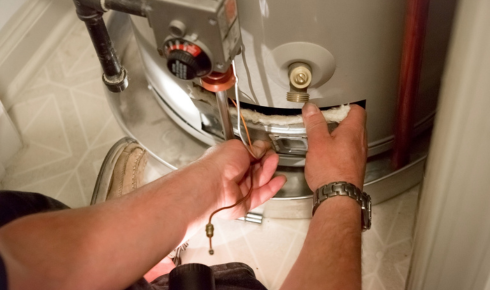
Let’s face it—most of us don’t think twice about the water system in our home or building… until it starts acting up. It’s one of those out-of-sight, out-of-mind utilities—quietly doing its job, delivering clean water, whisking away waste, running our appliances—and then suddenly, boom. A pipe bursts. The taps run dry. Or worse, you’re ankle-deep in water in your basement, holding a mop and questioning your life decisions.
Water systems, like everything else mechanical, have a way of sending subtle warnings before going rogue. And when those signs are ignored, emergency water system repair becomes your new reality. Spoiler alert: it’s rarely convenient, and it’s never cheap.
When Trouble Comes Knocking
You hear it: the odd clunk in the pipes, the sluggish drain, the water pressure that’s just not what it used to be. Maybe you’ve even caught yourself saying, “It’s probably nothing.” But here’s the thing—it’s almost always something.
Maybe your water heater has sediment buildup. Or maybe your pressure regulator is faulty. Perhaps a tree root has found its way into an underground pipe, slowly growing and expanding like a silent villain in a horror film. Water systems are complex. They age, they wear out, and they need attention.
And if you’re in a commercial building or managing an apartment complex? The stakes are even higher. One bad valve can impact dozens of people, maybe more. Water issues don’t wait for a “good time” to show up. That’s the whole nature of an emergency. It hits when it hits, and often, you’ll wish you’d addressed it sooner.
Maintenance Isn’t Just for Cars
You wouldn’t skip an oil change for five years and expect your car to run like new, right? So why do so many of us neglect our plumbing and water systems?
There’s a huge gap in public awareness when it comes to the value of scheduled check-ups for water infrastructure. We plan dentist appointments, annual physicals, even dog grooming with alarming precision. But regular inspections of a system that literally sustains daily life? Not on most people’s radar.
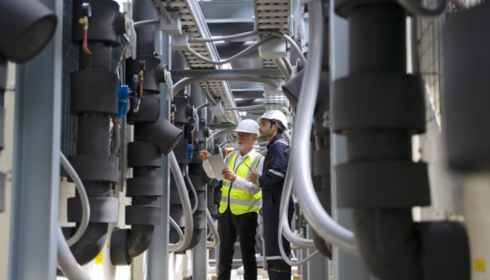
Professional water system evaluations can catch wear-and-tear before it snowballs. Pressure checks, valve inspections, water quality testing—these aren’t overkill. They’re the difference between a minor adjustment and a week-long disaster recovery mission. Plus, for businesses or public institutions, proactive maintenance can help avoid compliance issues, reduce insurance risks, and, yes, save a boatload of money.
Don’t Be Reactive. Be Smart.
Look, stuff breaks. Even the most meticulous planning can’t prevent every problem. But there’s a world of difference between a failure that’s unexpected… and one that’s been brewing for months while everyone looked the other way.
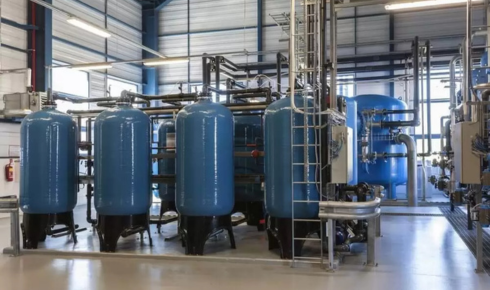
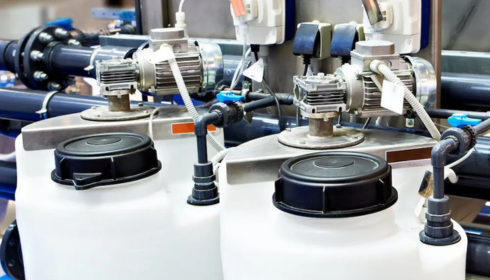
By integrating data-driven maintenance—think sensor-based monitoring, predictive analytics, and usage tracking—organizations and even homes can shift toward a preventive approach. It’s not just about fixing things. It’s about understanding how your system behaves under normal conditions so you’ll know when it starts acting weird.
That’s what it means to truly optimize water performance. It’s not just pressure and flow—it’s system efficiency, longevity, and cost savings over time. You want to waste less water, reduce energy bills, and extend the lifespan of your infrastructure. That only happens when you’re intentional about maintenance and system design.
The Hidden Costs of Ignoring Water Systems
Let’s run through a quick scenario.
A small leak under your kitchen sink seems minor. It drips—slowly, almost rhythmically. You throw a bucket under it, maybe even wrap some tape around the pipe. Weeks pass. The leak persists.
One day, that minor drip becomes a spray. The cabinet’s ruined, the flooring’s warped, and now there’s mold growing behind the wall. What started as a $5 fix is now a $5,000 headache.
Now magnify that across a multi-unit residential building or an industrial facility. Minor issues become exponential—fast. Emergency responses cost more. Damage restoration adds up. And the long-term effects on your structure’s integrity? Don’t even get started.
It’s About More Than Just Water
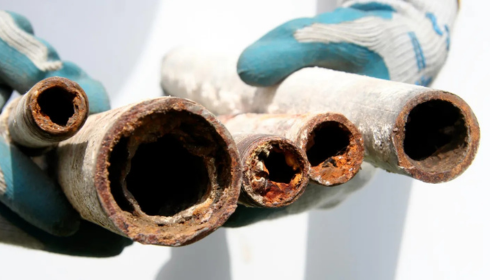
There’s something elemental about water. It’s life-sustaining, calming even. But when mismanaged, it can be devastating. Floods, contamination, rust, corrosion—water wears down everything in its path, slowly and relentlessly.
So it’s not just about avoiding disasters. It’s about respect. Respecting the systems that carry your water. Respecting the professionals who design and repair those systems. And respecting the spaces we live and work in by taking care of what lies behind the walls.
Small Changes, Big Results
You don’t need to become a plumbing wizard to start taking better care of your water systems. Here are a few simple but impactful things you can do:
- Schedule routine inspections once or twice a year, especially before extreme weather seasons.
- Install smart leak detectors in vulnerable spots like under sinks, behind toilets, or in basements.
- Replace old fixtures and pipes before they reach the end of their lifespan.
- Educate your family or team on basic water safety and shut-off procedures.
- Track your water usage and note any sudden spikes—they can signal hidden leaks.
It’s a little like brushing your teeth. Do it regularly, and you probably won’t need a root canal. Neglect it, and you’re in for a painful (and expensive) surprise.
The Bottom Line
Water is precious. But the systems that deliver it? They’re fragile, intricate, and often overlooked—until something breaks. Whether you’re managing a household, a facility, or an entire apartment block, ignoring warning signs doesn’t save money. It costs more in the long run.
So, pay attention. Invest in maintenance. Trust the professionals. And when the time comes—because eventually, it will—don’t hesitate to call in the cavalry for emergency water system repair. Just make sure it’s not your only strategy.
Because the best water system is the one you don’t have to think about… until you’re pouring a glass of cold water and smiling, knowing everything behind the scenes is running just the way it should.