
There’s something oddly poetic about water. It’s essential to life, flows effortlessly, and fills the cracks. But what happens when that very water turns against your home, not in floods, but in subtle sabotage—coating your appliances, clogging your plumbing, and quietly wrecking havoc?
Let’s talk about hard water. It’s the kind of problem most people don’t notice until it’s too late—until your showerhead sprays sideways, your coffee tastes weird, and your brand-new washing machine starts whining like it’s aged ten years in ten months. Sound familiar? If not, good. If yes… pull up a chair.
The Sneaky Science of Hard Water
Hard water isn’t “dirty” water—it’s just rich in dissolved minerals, especially calcium and magnesium. These minerals are naturally picked up as water moves through limestone, chalk, or gypsum deposits underground. In many parts of the world, that means most of what flows into your home is already loaded.
Now here’s where the trouble starts: when hard water is heated or left to sit, those minerals start to precipitate out. Over time, they coat the inside of your pipes, fixtures, and appliances in a lovely, stubborn crust called limescale.
The Cost of Ignoring the Signs
At first, the signs seem harmless. A little white dust around the faucet. A slight drop in water pressure. Maybe your skin feels dry and your hair doesn’t shine like it used to. You chalk it up to winter or a new shampoo.
But behind the walls, inside the machines, something else is happening. That scale doesn’t just sit there quietly—it builds up like cholesterol in your plumbing’s arteries. Water can’t flow freely. Appliances have to work harder, and they use more electricity to do so.
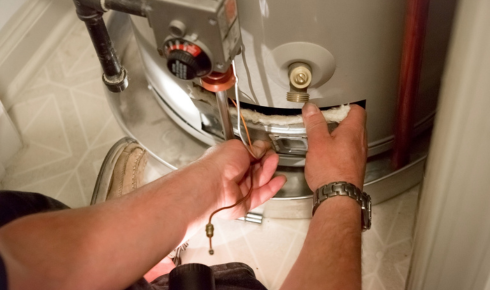
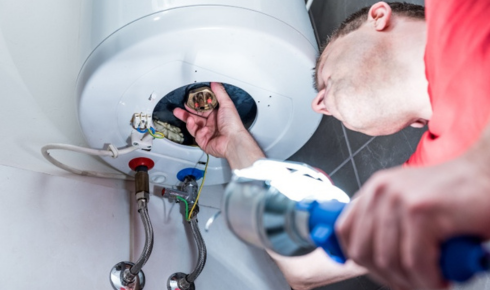
In fact, even a thin layer of scale inside a water heater can make it 25% less efficient. That’s real money over time. And if you’ve noticed your dishwasher or kettle needing more frequent cleaning, that’s a direct result of appliance scale silently staking its claim.
Plumbing: The Frontline Victim
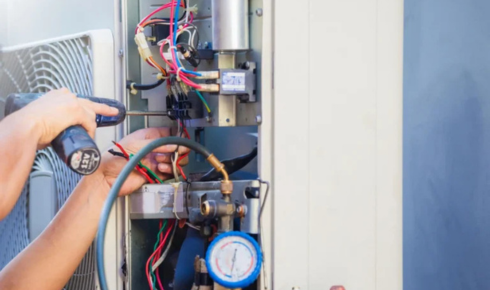
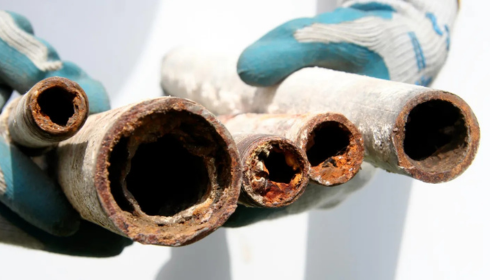
If you’ve ever had a plumber visit for recurring clogs, low water pressure, or odd noises in the pipes, there’s a good chance hard water played a role. Over time, mineral deposits narrow the pipes. Think of it like arterial plaque—but for your plumbing system.
This kind of plumbing buildup doesn’t resolve on its own. And once it gets bad enough, water can start backing up, creating pressure points and even leading to leaks. Not fun, not cheap, and definitely not the kind of surprise you want on a Monday morning when you’re late for work.
Cleaning Just Doesn’t Cut It
You can scrub your sinks, polish the faucets, and soak showerheads in vinegar all you want. But these surface treatments only manage the symptoms, not the source.
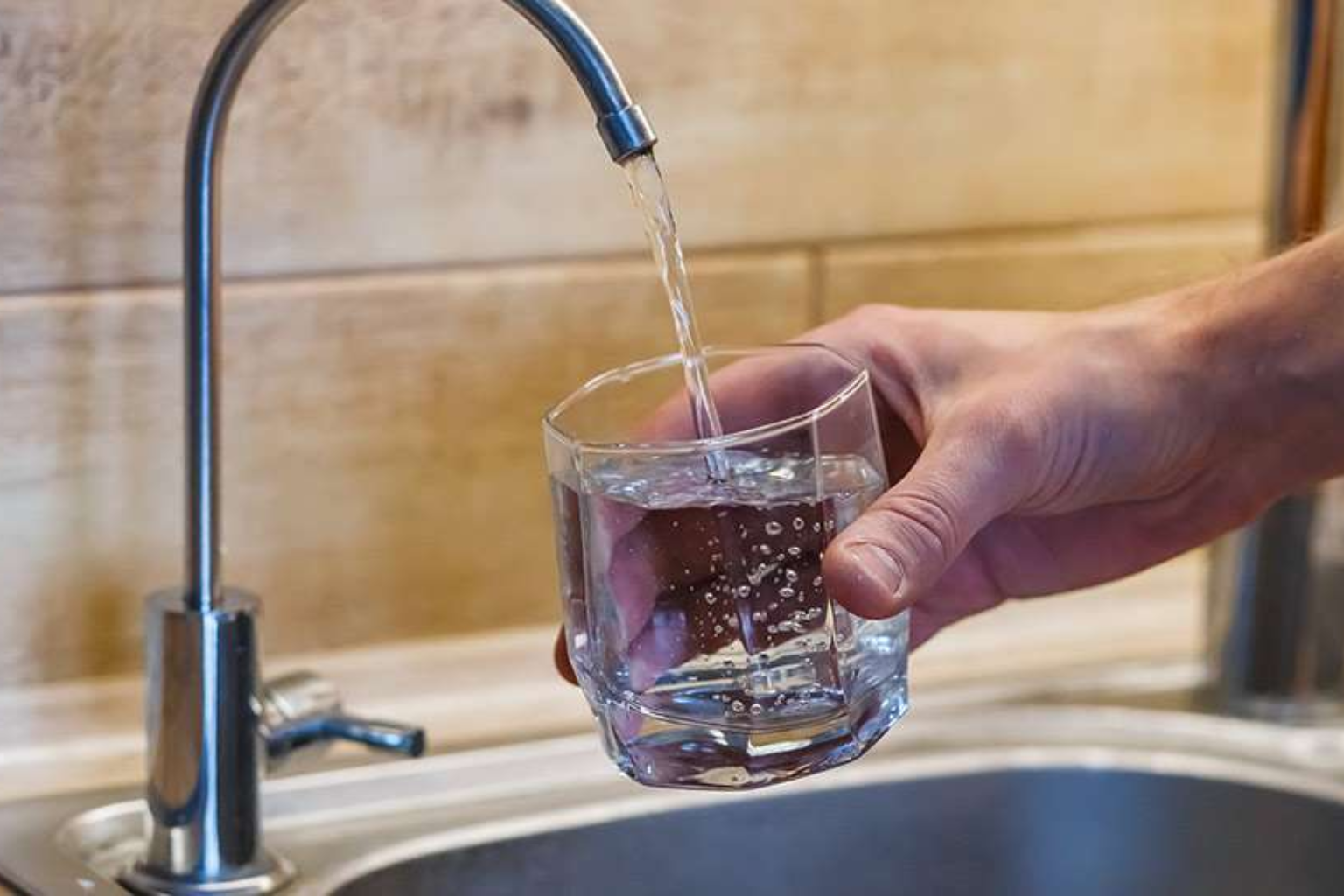
What about filtration pitchers or faucet filters? Helpful for drinking water, sure. But they won’t touch the mineral-heavy water feeding into your washing machine, water heater, or dishwasher. That means the bulk of your home still suffers.
It’s a bit like applying lotion to chapped skin but ignoring the freezing wind that’s causing it.
Enter Hard Water Treatment Systems
Let’s be clear—this isn’t a sales pitch for some magic box you saw at the home improvement store. But investing in real, whole-house hard water treatment isn’t about luxury—it’s about protection.
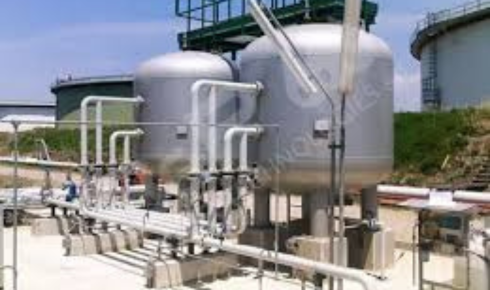
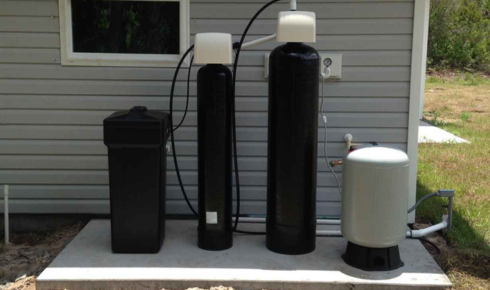
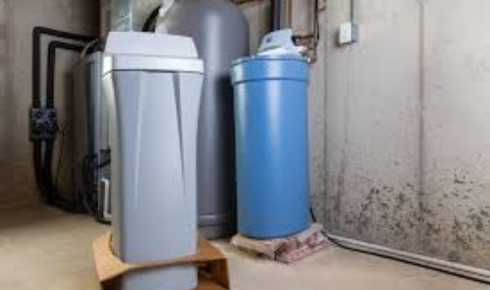
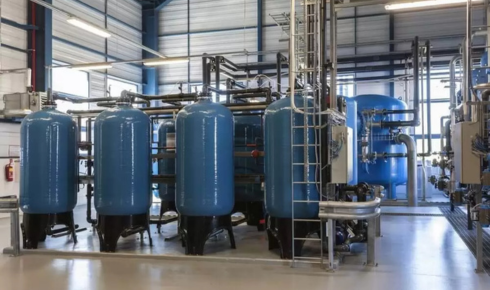
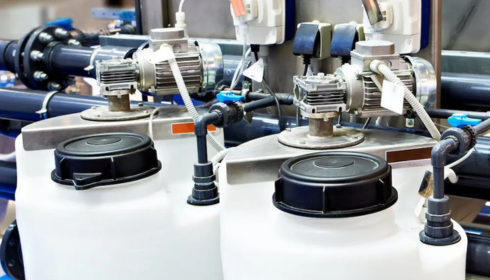
Water softeners are the most common solution. They use a process called ion exchange to replace calcium and magnesium ions with sodium or potassium. The result? Water that’s kinder to your pipes, easier on your skin, and better for your machines.
There are also salt-free systems and conditioners, which don’t remove minerals but rather change their structure so they don’t stick to surfaces. These might not eliminate buildup completely, but they can dramatically reduce it.
It all depends on your local water quality, your home setup, and your long-term needs. But doing nothing? That’s a choice too. Just not a wise one.
Real-Life Benefits You Can Feel
When you fix hard water, the difference is more than technical—it’s tangible.
- Your soap lathers better. Showers feel luxurious again.
- Dishes come out sparkling. Clothes are softer and colors stay brighter.
- Your skin doesn’t itch. Your hair bounces.
- Appliances stop protesting with groans and clunks.
- Your energy bill dips a little, and you smile a lot.
Plus, you’ll probably go longer between major plumbing repairs. That’s peace of mind money can’t always buy.
What You Can Do Today
Not sure if you have hard water? You can get inexpensive test strips online or at a hardware store. Many municipalities also publish water hardness data for your area. If you’re seeing frequent soap scum, scale around taps, or dry skin despite using moisturizers, odds are you’ve got some level of hardness.
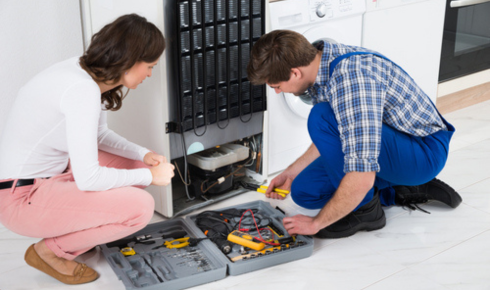
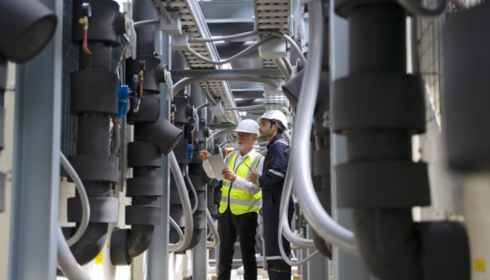
From there, talk to a plumber or water treatment specialist. A good one will test your water, explain your options, and help you choose a system that fits your lifestyle and budget.
And don’t worry—you don’t have to overhaul your entire home overnight. Even starting with just your water heater or laundry area can make a big difference.
The Bottom Line
Hard water isn’t evil. It’s natural. But that doesn’t mean you should let it slowly wreck your plumbing, ruin your appliances, and eat away at your utility bills.
Like so many things in life, it’s about being proactive. You can wait until the dishwasher dies, the heater clogs, or the pipes burst… or you can step in early, gently, and save yourself the heartache (and the cost).
A little awareness and the right solution can transform your home’s relationship with water—from adversary to ally.
So next time you see that cloudy white ring around your showerhead, don’t just scrub it away. Ask what it’s trying to tell you. It might be the first whisper of a much louder conversation.
Final Thought:
Water is supposed to nourish, clean, and flow freely. Don’t let minerals steal that simplicity. With a little knowledge and a bit of action, you can turn the tide on appliance scale, plumbing buildup, and hard water treatment—one drop at a time.