

Let’s get this out of the way: if your water smells like rotten eggs, you’re not imagining it. That eye-watering stench isn’t a figment of your post-gym, super-nose imagination. It’s real, it’s sulfur, and it’s gross. Whether it wafts up from your faucet when you’re brushing your teeth, hits you mid-shower, or ruins your coffee, sulfur water can turn even the most basic of routines into a gag-worthy experience.
But here’s the thing—while the smell is unforgettable (and unpleasant), it’s not necessarily dangerous. That said, it’s still worth understanding where it comes from, why it’s happening, and—most importantly—how to deal with it without turning into a water-quality scientist.
So… Why Does My Water Smell Like a Chemistry Experiment Gone Wrong?
That funky, eggy odor? It’s usually caused by hydrogen sulfide gas. And it can show up in your water supply for a few different reasons.
The most common culprit? Naturally occurring sulfur bacteria. These bacteria thrive in places with low oxygen—like deep wells—and they “eat” the sulfur in the water. The byproduct of that digestion? Hydrogen sulfide gas. And that’s what gives off the unmistakable smell.
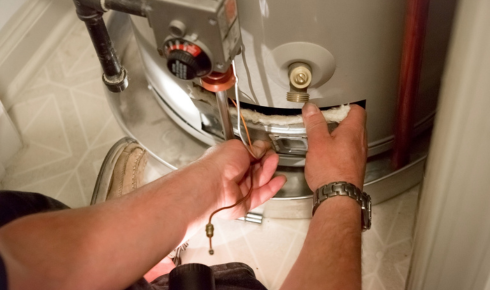
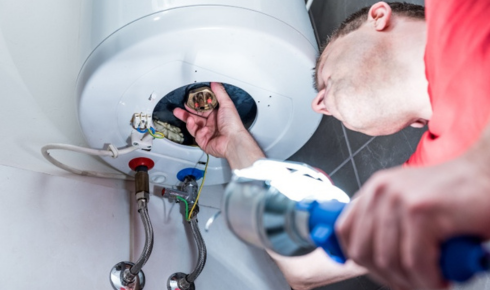
Another possible reason could be chemical reactions in your hot water heater. In fact, if the smell only happens when you run hot water, that’s a pretty solid clue that your water heater is the party host for those sulfur-producing bacteria.
The Subtle (or Not So Subtle) Signs You’ve Got a Sulfur Situation
Okay, so besides the obvious smell—what else should you be watching for?
- Taste changes: Your water might have a bitter or metallic tang.
- Stained fixtures: That’s right. The sulfur can react with metals, leaving black stains in sinks or toilets.
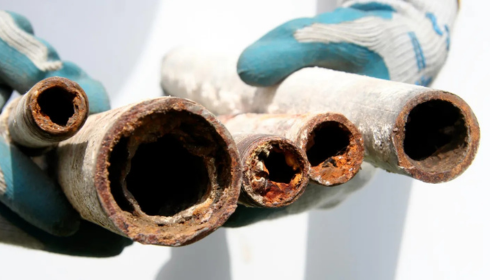
- Corroded plumbing: Over time, sulfur can actually damage your pipes, especially if it’s combined with iron.
It’s not just a matter of comfort. Even if the smell isn’t dangerous, the presence of hydrogen sulfide in high amounts can corrode metal, mess with your appliances, and wear down your plumbing system. So yeah—it’s kind of a big deal.
Is It Safe to Drink?
Here’s the semi-reassuring part: for most people, low levels of sulfur in water are not harmful. But that doesn’t mean it’s a green light to ignore the issue entirely.
For one, sulfur in water smell can signal bacterial growth. Even if the bacteria themselves aren’t dangerous, the environment they create can sometimes foster other, more harmful microorganisms. Plus, for people with sensitive stomachs, drinking sulfur-heavy water can lead to nausea or diarrhea. So if your water smells like a high school science lab, maybe hold off on that glass.
And even if it won’t make you sick, do you really want to cook pasta or make lemonade with egg-smelling water? Didn’t think so.
Testing, Testing: How to Know What You’re Dealing With
If you’re raising an eyebrow and muttering “well, now what?”, don’t worry—you’re not alone.
Step one? Get your water tested. A simple lab or at-home water test can tell you whether hydrogen sulfide, sulfur bacteria, or something else entirely is behind the smell. You’ll want to test both cold and hot water (to rule out the water heater theory) and test multiple faucets, especially if you’re on well water.
It’s not just about confirming your suspicion. Accurate testing is the only way to figure out the right fix.
Fixes That Actually Work (And Don’t Involve Just Holding Your Nose)
Depending on your results, here are some legit solutions:
- Shock chlorination: If sulfur bacteria are the root cause, shocking your well with chlorine can often knock them out. Just be ready for a bleachy smell temporarily. It’s like fumigating… but for your water.
- Water heater adjustments: Replacing the magnesium anode rod with an aluminum or zinc alternative can sometimes fix the smell at the source.
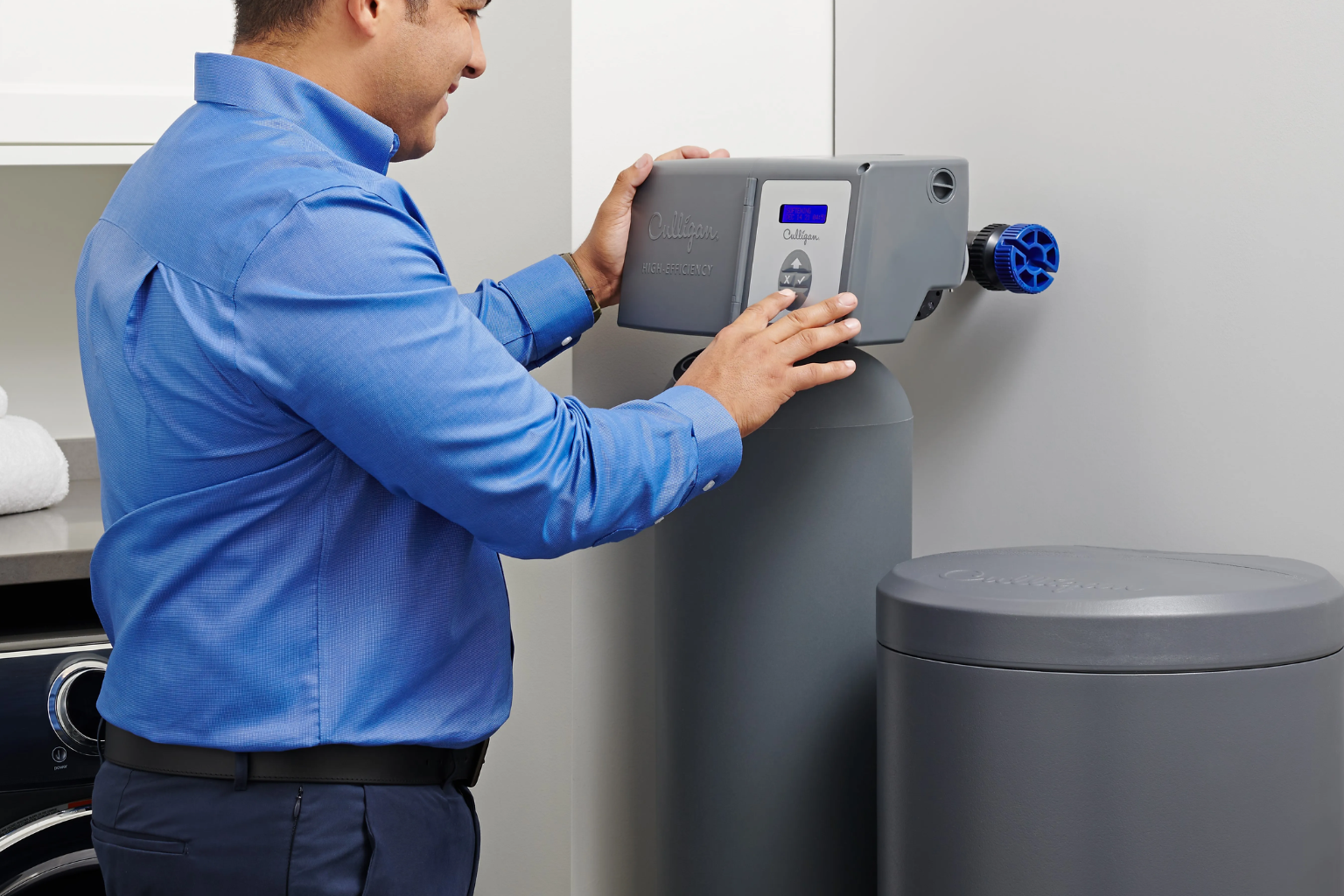
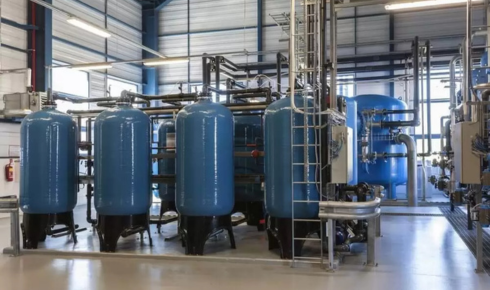
- Activated carbon filters: These are great for low hydrogen sulfide levels and help neutralize the smell without overcomplicating things.
- Aeration systems: These work by oxidizing the gas and venting it out before it reaches your tap.
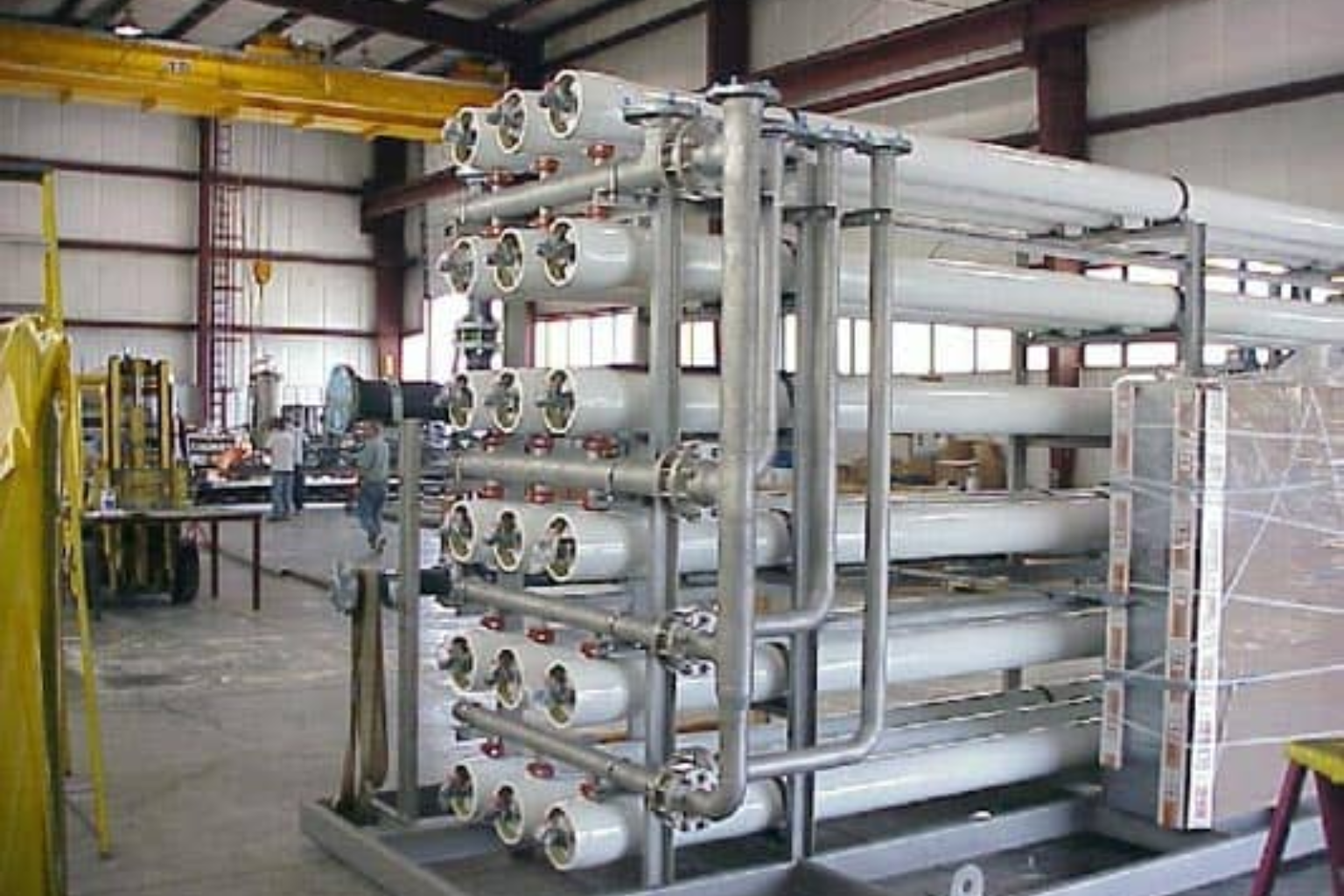
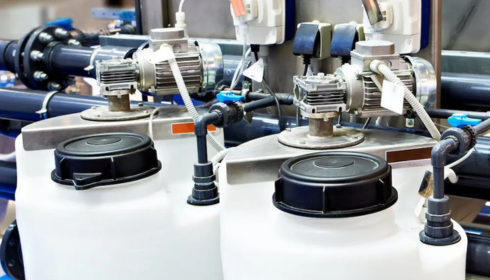
- Oxidizing filters or chemical feed systems: If your water has high concentrations of hydrogen sulfide, more aggressive treatments may be needed.
No single fix works for everyone, so having a test in hand is key. Otherwise, you’re basically playing sulfur roulette.
When the Water Smells, Life Kinda Stalls
Let’s be real—when your home’s water reeks, it doesn’t just make chores more annoying. It throws off your entire rhythm.
That nice hot bath you were dreaming of? Nope.
That refreshing glass of water on a hot day? Not happening.
Making coffee for a guest? Embarrassing.
Living with a persistent sulfur water smell can actually cause stress, frustration, and even shame—especially if you’re having visitors over or trying to sell your home.
Real Talk: Don’t Normalize Stinky Water
Look, it’s easy to shrug and say “well, it’s just the water here” and get used to the smell. But you shouldn’t have to. It’s not a personality trait. It’s not part of the “rustic charm” of country living. It’s a solvable issue.
Whether it’s a DIY fix or time to call a professional, tackling the problem head-on will improve your quality of life. You’ll feel better knowing your water is cleaner, safer, and doesn’t come with a side of stink.
Final Sip of Wisdom
Water is supposed to be refreshing, clean, and invisible in terms of taste and smell. If it’s doing the opposite—if it’s smacking your nose with a rotten egg uppercut—it’s time to act.
Sulfur in water smell is something many homeowners face, but far too many ignore. The good news? Solutions exist. And you don’t have to live with stinky water forever.
So run the tests. Consider your treatment options. Reclaim your kitchen, bathroom, and peace of mind. Because life’s too short to drink smelly water.