
Most of us assume water should be simple — clear, neutral, and forgettable. You turn on the tap, fill a glass, and don’t give it a second thought. That’s how it’s supposed to be.
But every now and then, something feels off. Maybe there’s a faint metallic taste. Maybe you notice a slight “rotten egg” smell when the faucet first runs. Or perhaps your tea looks cloudy, even when you’ve used fresh leaves and clean cups.
These little clues are easy to ignore, yet they often tell a bigger story about what’s actually happening in your water.
Water isn’t just water. It’s shaped by minerals, environmental conditions, and the journey it takes before reaching your home.
And understanding those details can make a surprising difference in both comfort and health.
Why Water Can Develop Unpleasant Odors and Tastes
One of the most common complaints homeowners have about water involves unusual smells or flavors.
These issues often trace back to naturally occurring minerals and gases found in groundwater.
Iron, for example, can leave a metallic taste and reddish stains on sinks and laundry. Sulfur can create that unmistakable rotten-egg smell.
These elements aren’t always dangerous, but they can significantly affect daily comfort.
And over time, they may also impact plumbing systems and appliance performance.
The Science Behind Iron and Sulfur in Water
Iron and sulfur enter water supplies naturally through geological processes.
As groundwater moves through rock formations, it dissolves minerals along the way.
This process is especially common in well water systems, where water interacts directly with underground soil and rock layers.
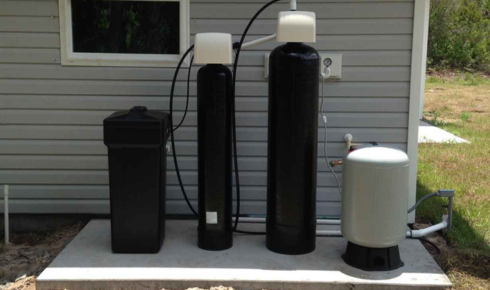
Treating these elements often involves processes designed to oxidize iron and sulfur, converting them into solid particles that can be filtered out.
This approach helps eliminate odors, stains, and unpleasant tastes.
It’s a practical solution to a very common problem.
How Filtration Transforms Everyday Water
Once oxidation converts dissolved minerals into particles, filtration becomes the next step.
This is where modern filtration technology plays an essential role.
High-quality filtration systems capture these particles, preventing them from reaching household plumbing and appliances.
The result is water that appears clearer and performs better in everyday use.
From cleaner dishes to brighter laundry, filtration quietly improves many daily tasks.
Why Activated Carbon Plays a Key Role
Among filtration methods, carbon filtration stands out for its versatility.
Activated carbon works by adsorbing chemicals, odors, and organic compounds that affect taste and smell.
It’s particularly effective at reducing chlorine and other substances commonly found in municipal water supplies.
Because it improves both safety and sensory qualities, carbon filtration is widely used in both residential and commercial systems.
It transforms water in ways people can immediately notice — clearer taste, fresher smell, and overall improved quality.
The Impact of Water Quality on Daily Life
Water touches nearly every aspect of daily living.
It affects cooking, cleaning, bathing, and even the longevity of appliances.
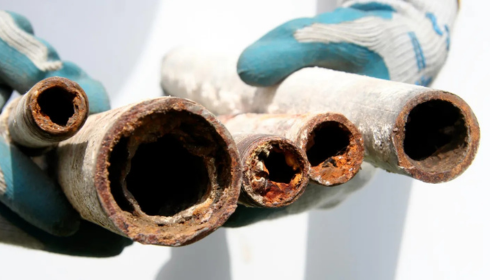
Poor water quality can leave mineral deposits inside pipes, reduce detergent effectiveness, and create stains on fixtures.
When water quality improves, these issues often disappear quietly.
Showers feel more refreshing. Clothes feel softer. Cleaning becomes easier.
These small changes add up over time, enhancing everyday comfort.
The Importance of Balanced Water Treatment
While addressing specific issues like iron or chlorine is important, treatment systems often work best when balanced.
Combining oxidation, filtration, and monitoring ensures comprehensive improvement.
This layered approach allows homeowners to address multiple concerns simultaneously rather than relying on a single solution.
Effective treatment is less about one technology and more about how different methods work together.
Why Clean Water Influences Health and Well-Being
Beyond comfort, water quality plays a direct role in health.
Safe, clean water supports hydration, cooking safety, and hygiene.
Access to healthy drinking water reduces reliance on bottled alternatives, promoting both wellness and sustainability.
Families with young children or elderly members often find this reassurance especially valuable.
Knowing water is both clean and reliable provides peace of mind.
Environmental Benefits of Improving Water Quality
Improved water treatment can also support environmental goals.
When homeowners trust their tap water, they’re less likely to rely on bottled water, reducing plastic waste.
Efficient treatment systems minimize chemical usage and optimize resource consumption.
These benefits align with growing efforts to reduce environmental impact while maintaining high standards of living.
Choosing the Right Water Treatment Approach
Selecting a treatment system begins with understanding local water conditions.
Water testing provides valuable insights into mineral content, chemical presence, and overall quality.
With accurate information, homeowners can choose targeted solutions that address specific concerns.
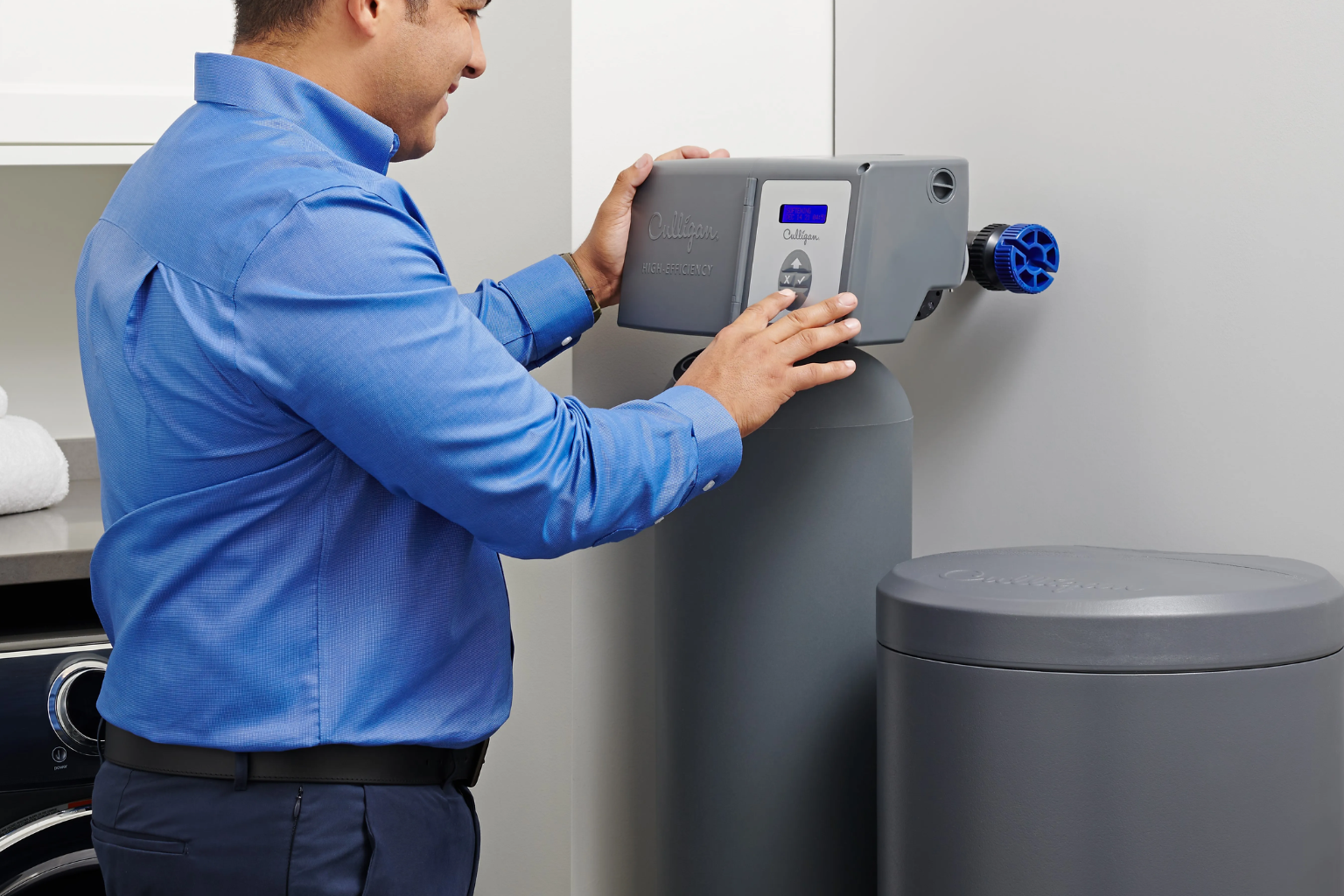
Professional guidance often ensures proper installation and long-term performance.
This thoughtful approach helps avoid unnecessary costs and ensures effective results.
The Psychological Comfort of Better Water
There’s also an emotional aspect to water quality that often goes unspoken.
Knowing that water tastes fresh, smells clean, and performs reliably creates a sense of comfort.
It removes small daily frustrations and replaces them with confidence.
Over time, this peace of mind becomes one of the most appreciated benefits of water treatment.
Final Thoughts: Understanding the Story Behind Your Water
Water may seem simple at first glance, but its quality reflects a complex interaction of natural and human-made factors.
From minerals dissolved underground to treatment processes designed to improve safety, every drop carries a story.
By understanding these hidden details and taking steps to improve water quality, homeowners can transform everyday routines in subtle but meaningful ways.
Because in the end, clean water isn’t just about clarity.
It’s about comfort, confidence, and the quiet assurance that what flows from your tap truly supports your daily life.