
Let’s be real—most of us don’t give our water much thought. You turn on the tap, fill a glass, maybe wash the dishes or rinse some veggies, and move on with your day. It’s so automatic, so built into our daily rhythm, that we often forget how important it really is.
Until something goes wrong.
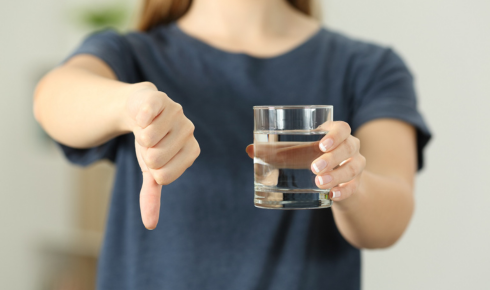
Maybe your skin starts feeling tight after showers. Or your coffee has a strange aftertaste. Or your dishwasher leaves a chalky film on everything no matter how many rinse cycles you run. These aren’t just minor annoyances—they’re little signs whispering that your water may not be working as hard for you as it could be.
The Hidden Reality Behind Everyday Water
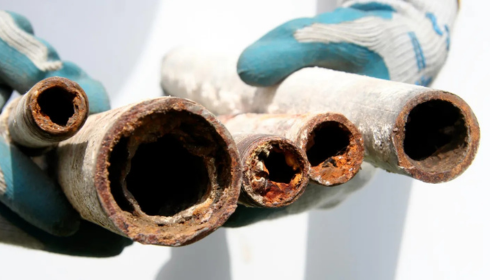
Here’s the thing: even if your water looks clear, it might still be carrying stuff you don’t want. Chlorine. Heavy metals. Bacteria. Excess minerals. Aging pipes and outdated treatment infrastructure mean that a lot can happen between your local source and your kitchen faucet.
That’s why more homeowners are making water quality improvement a priority. It’s not just about safety—it’s about taste, comfort, appliance efficiency, and peace of mind. Because once you’ve experienced truly clean water at home, there’s no going back.
Water That Fits You
Here’s where it gets interesting. Your water isn’t the same as your neighbor’s. What’s flowing into your pipes depends on your location, plumbing, well vs. city water, and a dozen other factors. So it makes zero sense to rely on cookie-cutter solutions or off-the-shelf filters from big box stores.
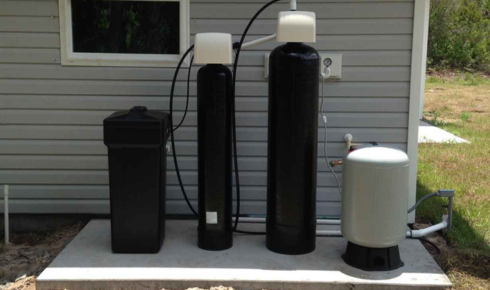
Instead, smart homeowners are turning to customized water systems—solutions tailored to their home’s unique needs. Maybe you’ve got hard water and need a softener. Maybe your well brings up too much iron. Maybe your city water tastes a little too much like a swimming pool. With the right setup, you can filter exactly what’s bothering you—and skip the stuff you don’t need.
It’s not about fancy gadgets. It’s about fit.
The Signs You Shouldn’t Ignore
So how do you know it’s time to take your water seriously? It’s usually not one big red flag—it’s a bunch of small clues. Things like:
- Soap that doesn’t lather well.
- Water that smells like chlorine or sulfur.
- Showerheads that clog up too fast.
- Dry skin or irritated eyes after bathing.
- Strange tasting tap water or cloudy ice cubes.
Any of these could point to water issues. And if you’re seeing more than one? It’s probably time to have your system checked.
Why It’s Not Just a “Nice-to-Have”
Let’s break the myth that water treatment is only for people with private wells or fancy homes. That’s outdated thinking. Today’s systems are more accessible, more efficient, and more affordable than ever.
And the benefits? They’re not just about comfort—they’re practical. Treated water:
- Helps appliances last longer.
- Cuts down on plumbing maintenance.
- Improves energy efficiency (yes, really).
- Reduces plastic bottle use.
- Makes food and drinks taste noticeably better.
It’s the kind of upgrade that doesn’t just feel good—it saves money in the long run. That’s a win-win.
What to Expect When You Start the Journey
Getting started is easier than most people think. It usually begins with a simple water test—either DIY or handled by a local professional. From there, you’ll get a clear breakdown of what’s in your water, what it means, and what can be done about it.
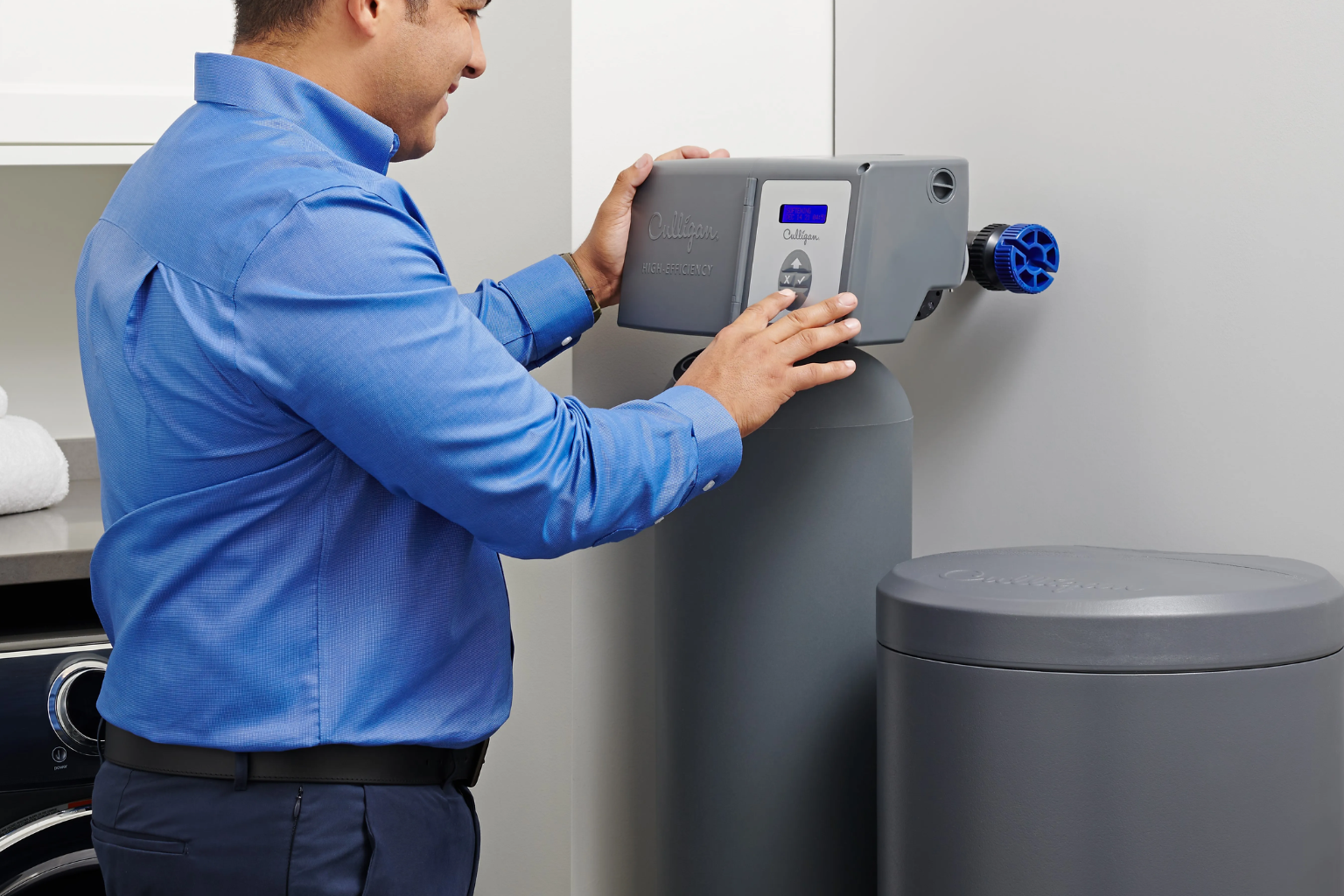
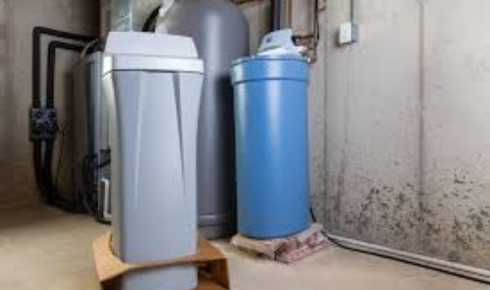
For most families, residential water treatment doesn’t mean tearing up your basement or spending a fortune. Often, it’s as simple as a compact filtration system under the sink or a whole-home softener that works in the background while you live your life.
And the result? Clean water that works better, tastes better, and feels better on your skin.
The Everyday Luxury You Didn’t Know You Were Missing
Clean water at home isn’t flashy. It’s not a shiny new kitchen or a smart fridge that talks to you. But it’s the kind of subtle upgrade that changes everything—your morning coffee, your evening shower, your peace of mind.
Once you experience it, you’ll wonder how you went so long without it.
Final Thoughts: Don’t Wait for a Problem
Water is one of those things we take for granted—until it’s not working right. But here’s the good news: you don’t have to wait for something to break before you take action. The tools and expertise are already out there. All it takes is a little curiosity, a willingness to ask questions, and the decision to invest in the health and comfort of your home.
Better water is within reach. All you have to do is turn on the tap—and start the conversation.