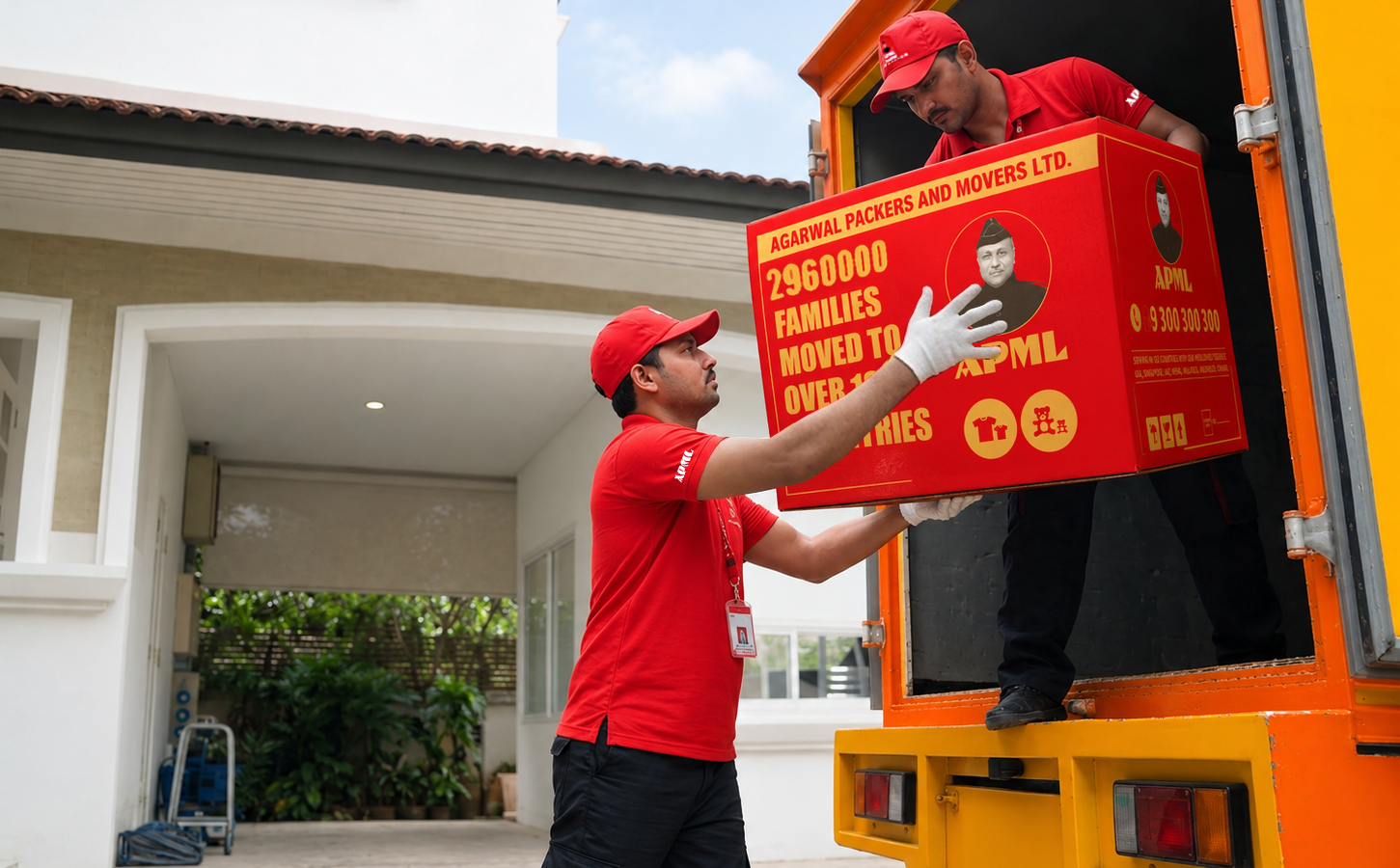
Moving to a new home in Delhi often begins with a positive thought. Maybe you’ve found a better apartment, moved closer to work, shifted to a quieter locality, or simply decided that it’s time for a change. There is something refreshing about opening the door to a new place and imagining how life might look there.
But before that moment comes the less exciting part.
There are cupboards to empty, furniture to sort, boxes to label and a surprising number of things you forgot you owned. Delhi’s traffic, crowded residential lanes, parking limitations and apartment rules can make the process even more complicated.
Still, moving doesn’t have to become an exhausting experience. You can’t control every delay, but thoughtful preparation can keep most small problems from turning into major ones.
Plan the Move Before You Start Packing
The first step isn’t buying cardboard boxes. It’s creating a realistic plan.
Choose your moving date and write down everything that needs to happen beforehand. Include packing, cleaning, utility changes, address updates, building permissions and rental handover requirements.
If you’re leaving a rented property, check your agreement carefully. Notice periods, inspections and deposit conditions can affect the schedule.
Then divide the packing work across several days. Start with books, seasonal clothing, decorative items and things you rarely use.
Keep everyday essentials for later.
It might feel like you’re preparing too early, but that extra time can save you from a frantic final evening when everything suddenly needs to be done at once.
Declutter Before the Boxes Arrive
Moving is one of the best opportunities to decide what you actually want to keep.
Go through wardrobes, storage cupboards, kitchen shelves and old boxes. You’ll probably find belongings that haven’t been touched in years.
Create separate piles for things to keep, donate, sell, recycle and discard.
There’s no need to throw away sentimental possessions simply because they aren’t practical. Some things matter for reasons that have nothing to do with their usefulness.
But if an appliance is broken, a chair is never used or a cupboard is full of clothes you haven’t worn in years, ask yourself whether it really needs to make another journey.
Fewer belongings mean fewer cartons, less lifting and less unpacking.
Choosing a Reliable Moving Company
Delhi has plenty of moving services, which is helpful but can also make the choice confusing.
When researching the Best Packers and Movers in Delhi, don’t rely entirely on advertisements or the lowest price you see online.
Ask what the quotation actually includes.
Does it cover packing materials? Loading and unloading? Furniture dismantling? Reassembly? Special handling for fragile belongings?
If you’re moving expensive electronics, glass furniture, artwork or large appliances, mention these items before booking.
A reliable company should be willing to answer practical questions clearly. Good communication before moving day can prevent plenty of confusion later.
Compare Quotations Carefully
It’s sensible to request estimates from several moving companies.
But comparing only the final price can be misleading.
One provider may quote less because packing materials or furniture assembly aren’t included. Another may appear more expensive because those services are already part of the package.
Ask about additional charges for stairs, difficult parking, long carrying distances, waiting time or extra workers.
Confirm whether taxes and other applicable costs are included.
Also check the pickup and delivery addresses and keep a copy of the final quotation.
A transparent estimate is far more useful than a cheap quote that becomes unexpectedly expensive when the truck arrives.
Pack According to Weight
Packing isn’t just about making everything fit inside cartons.
Heavy items such as books, tools and kitchen utensils are generally easier to handle in smaller boxes. Larger cartons are better suited to lighter belongings such as clothes, blankets and cushions.
Fragile items should have enough cushioning to prevent movement. Plates, glasses and decorative objects need particular care.
Electronics should be protected from impact and moisture. Original packaging can be useful if you’ve kept it.
Label boxes clearly. Write the room name and a short description of the contents.
“Kitchen – daily utensils” is much more helpful than simply writing “Kitchen.”
You’ll understand why when you’re standing in the new house surrounded by boxes.
Leave Extra Time for Delhi Traffic
Moving schedules in Delhi need some flexibility.
A route that looks short on a map can take much longer because of traffic, road conditions or access restrictions.
Avoid scheduling important appointments immediately after the expected delivery time.
Tell the moving company about the access conditions at both addresses. Narrow roads, restricted parking, security checks or a long distance between the parking area and building entrance can affect the process.
The more accurate the information you provide, the better the moving team can prepare.
Sometimes a five-minute conversation about parking can save an hour of unnecessary waiting.
Check Apartment Rules Early
Apartment societies and residential complexes often have their own moving procedures.
Some require advance permission for moving vehicles. Others have specific shifting hours or require the service elevator to be booked.
Contact the management office or security team before moving day.
It’s also worth checking whether your larger furniture can actually reach the new apartment. Measure sofas, wardrobes and other bulky items if you’re uncertain about doors, lifts or corridors.
A piece of furniture that fits perfectly inside a room can become surprisingly difficult when it has to navigate a narrow turn.
A little measuring beforehand is much easier than improvising later.
Keep Important Belongings With You
Some possessions are better kept out of the moving truck.
Carry passports, jewellery, cash, medicines, important documents, laptops and irreplaceable personal items yourself whenever possible.
Before packing valuable furniture and electronics, take photographs of their condition. This gives you a simple reference if there’s a problem later.
Ask the moving company about transit insurance or damage protection. Understand the coverage, exclusions and claim process.
When comparing Movers and Packers Delhi, these details deserve as much attention as the quoted price.
You want to understand what happens if something goes wrong before something actually does.
Prepare an Essentials Bag
An essentials bag can make your first night much easier.
Put toiletries, medicines, chargers, a change of clothes, snacks, drinking water and important documents inside it.
Keep the bag with you.
If you’re moving with children, add whatever they need for the first evening. If you have pets, keep their food, water and essential supplies accessible as well.
You may expect to unpack everything immediately, but moving days often run longer than expected.
When you’re tired, searching through a dozen boxes for a toothbrush is not how you want to end the day.
Make the New Home Ready
Before the moving truck arrives, check the new property.
Make sure electricity and water are working. Confirm the keys and building access arrangements. If possible, clean the main rooms while they’re still empty.
Have a rough idea of where major furniture should go.
You don’t need a complete interior design plan. Simply knowing where the bed, sofa, dining table and large appliances belong can make unloading faster.
Clear instructions also reduce the chances of heavy furniture being moved multiple times.
Inspect Your Belongings After Delivery
Once the truck arrives, don’t immediately start opening every box.
First check major furniture, appliances, electronics and fragile belongings.
If something appears damaged, photograph it and contact the moving company according to the agreed procedure.
Keep the quotation, receipts and other relevant documents until the relocation has been fully completed.
A basic inventory of valuable items can also be useful. You don’t need to list every household object, but major and expensive belongings should be easy to identify.
Unpack Without Rushing
After the movers leave, your new home may look more chaotic than it did before they arrived.
That’s normal.
Start with the bedroom, bathroom and kitchen. Once those areas are functional, you’ll have somewhere to sleep, shower and prepare food.
Then move through the other rooms gradually.
Some cartons may remain unopened for several days. There is no prize for finishing everything in one night.
As you settle in, you’ll learn your new surroundings, find nearby shops, figure out your commute and develop familiar routines.
Eventually, you stop calling it the “new” home.
It just becomes home.
Preparation Is What Makes the Difference
Moving in Delhi won’t always go perfectly. Traffic happens. Elevators get occupied. Parking becomes difficult. Occasionally, a box ends up in the wrong room.
That’s part of relocation.
The aim isn’t to eliminate every possible problem. It’s to prevent the problems you can reasonably control.
Start early. Declutter before packing. Compare moving companies carefully. Understand every part of the quotation. Check apartment rules and protect valuable belongings.
And don’t make price your only deciding factor. Reliability, communication and careful handling matter when you’re trusting someone with the contents of your home.
Eventually, the cartons will be opened, the furniture will settle into place and the rooms will begin to feel familiar.
Then one evening, you’ll sit down with a cup of tea, look around and realize you’re no longer thinking about moving.
You’re simply living there.
And that’s when you know the relocation is truly behind you.