Water is woven into nearly every part of daily life. It’s there when you make the first cup of tea, rinse vegetables for dinner, take a shower before work, or fill a glass in the middle of the night. Most of the time, we don’t give it much thought. But when the water tastes strange, leaves white marks on the taps, or makes cleaning feel like an endless chore, it’s hard not to wonder whether something could be improved.
Choosing a water treatment system can seem confusing at first. There are filters, softeners, drinking-water units, and products that claim to handle several concerns at once. The sensible approach is to begin with your water, not the sales brochure. Once you understand what’s causing the problem, the available options become much easier to evaluate.
Start With the Water You Already Have
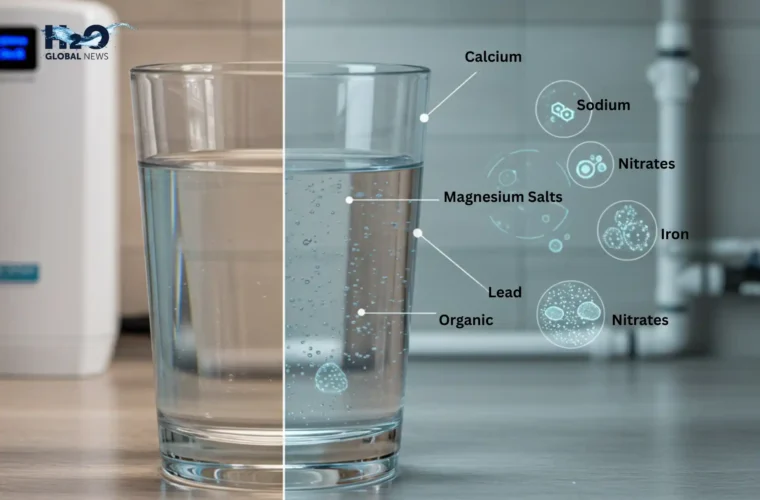
Water quality can differ significantly between homes, even within the same neighbourhood. Municipal water is generally treated before it reaches customers, but mineral content, taste, and other characteristics may vary. Private wells bring their own considerations because local geology and environmental conditions can influence the water supply.
Some problems are easy to notice. White crust around faucets often points to mineral deposits, while reddish stains may be associated with iron. A strong chlorine taste can affect the enjoyment of drinking water. Other concerns are less obvious, since water can look perfectly clear while containing substances that require specific testing.
A water test is a useful starting point. Depending on the source and the symptoms, it may examine hardness, pH, iron, dissolved solids, bacteria, or particular contaminants. A basic hardness test cannot tell you whether water is free from every health-related concern, so more specific testing may be necessary when safety is in question.
Testing also prevents you from spending money on equipment that doesn’t address the actual issue. A filter designed to improve taste won’t necessarily solve scale buildup, and a softener isn’t intended to remove every contaminant. Different problems call for different solutions.
When Hard Water Makes Everyday Tasks More Difficult
Hard water contains higher concentrations of calcium and magnesium. These minerals are common in many water supplies, and although they aren’t generally considered a health concern at typical household levels, they can create practical inconveniences.
You may notice cloudy glassware, soap that doesn’t lather as easily, or a chalky coating around showerheads. Over time, scale can also collect inside water heaters and certain appliances. Cleaning becomes more time-consuming, and equipment may need extra attention.
For households dealing with these issues, water softeners can help reduce hardness through an ion-exchange process. Traditional systems exchange calcium and magnesium ions for sodium or potassium ions, depending on the unit and its setup. This can reduce scale formation and help soap work more effectively.
Still, softening has limits. It doesn’t automatically remove bacteria, lead, or other unrelated contaminants. Conventional units also require regeneration and usually need salt replenishment. Before installing one, consider your water hardness, household usage, available space, and maintenance preferences. If sodium intake is a concern, discuss the implications of softened water with a qualified healthcare professional.
Choosing Filtration for the Whole House
Sometimes the concern extends beyond one kitchen tap. Sediment may affect several fixtures, or particular characteristics of the incoming water may influence showers, laundry, and appliances throughout the property. In such cases, treatment at the point where water enters the home may be worth exploring.
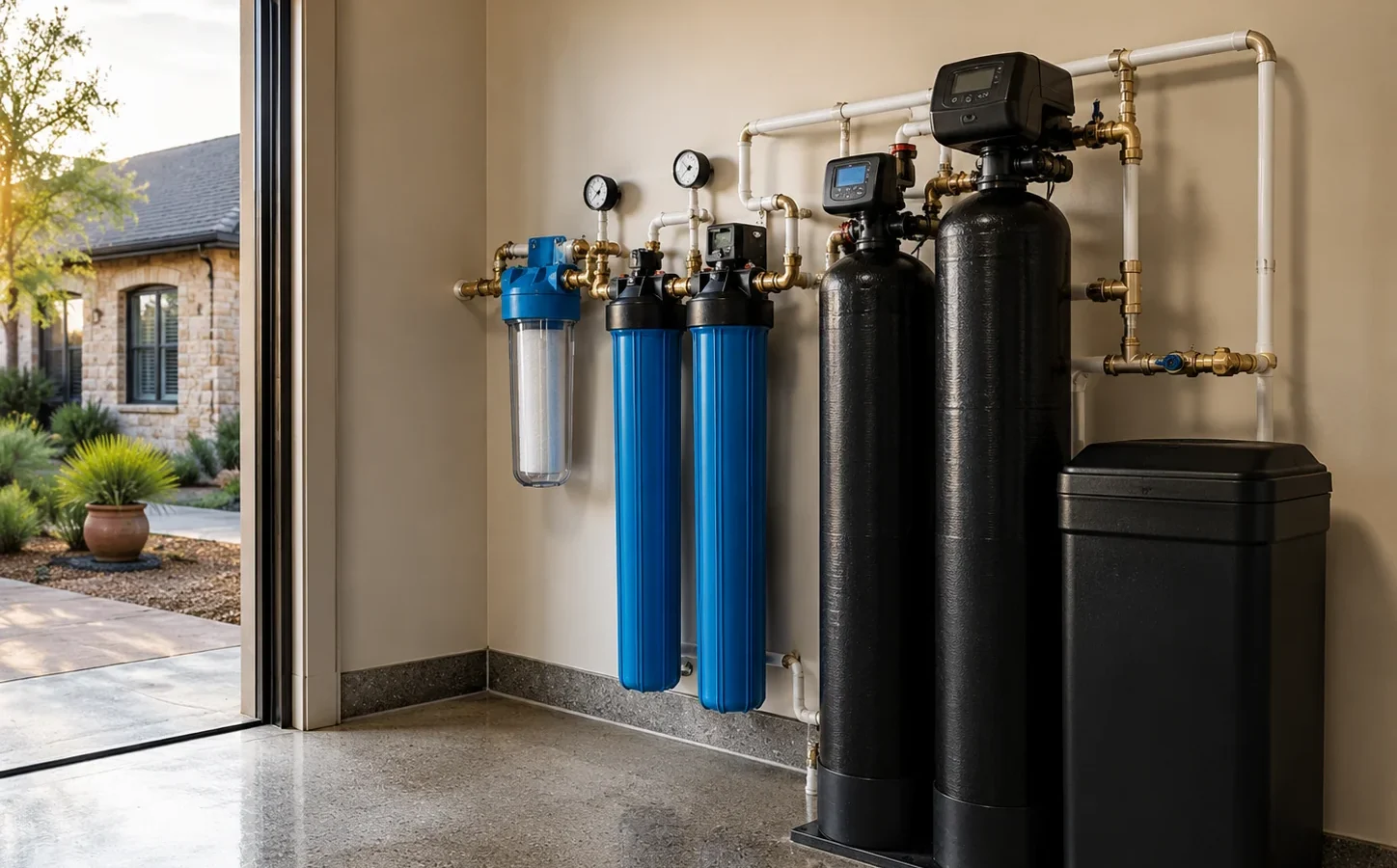
Whole house water filters are designed to treat incoming water before it reaches multiple fixtures. Depending on their media and configuration, they may reduce sediment, certain tastes and odors, or specified substances. Their performance varies, so the choice should be guided by water-test results and verified product claims.
A whole-house system also needs to be sized correctly. If several showers, washing machines, and kitchen taps operate at once, the equipment must provide adequate flow without causing an inconvenient drop in pressure. Installation space and access for maintenance matter, too.
It’s worth asking what the system is actually designed to remove. A sediment filter captures particles, while activated carbon may reduce certain compounds. Neither should be assumed to address every microbiological or dissolved-contaminant concern. If testing identifies a specific problem, select a treatment method intended and certified for that purpose.
Focus on the Water You Drink and Cook With
Not every household needs to treat every drop of water in the same way. If your main concern is drinking and cooking water, a dedicated system at the kitchen sink may be a practical choice. It treats water where it’s used most directly for consumption and can avoid the expense of installing a larger system throughout the property.
A drinking water system may use activated carbon, reverse osmosis, or another filtration technology, depending on the water and the intended result. Carbon filters can reduce certain tastes and odors, including chlorine taste, while reverse osmosis systems can reduce many dissolved substances when properly selected.
The details matter. Check which contaminants the model is designed to reduce, whether independent certification supports those claims, and how frequently its filters need replacing. For reverse osmosis units, also consider water pressure, storage capacity, wastewater production, and membrane maintenance.
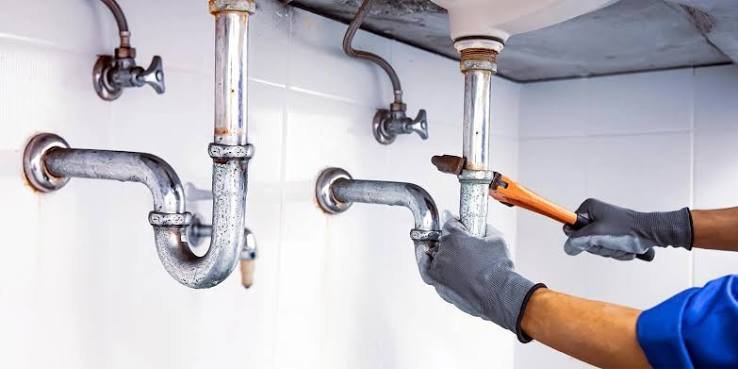
Some systems have a dedicated faucet, while others connect to an existing tap. Measure the space beneath your sink before buying, especially if the cabinet already holds cleaning products, a waste bin, or plumbing equipment. A little measuring beforehand can save a frustrating installation day.
Don’t Forget the Cost of Keeping It Running
The purchase price is only part of the investment. Replacement cartridges, softener salt, servicing, and occasional repairs can add up over the years. A system that looks inexpensive initially may become less appealing if its consumables are costly or difficult to obtain.
Ask the provider for a clear estimate covering installation and expected maintenance. Find out which tasks you can safely handle yourself and which require professional service. Keep a record of filter changes and service visits so you know when the next check is due.
Pay attention to changes in pressure, taste, smell, or the return of mineral deposits. These signs don’t always identify the cause, but they can indicate that testing or maintenance is needed. If contamination is suspected, arrange suitable testing rather than assuming a replacement filter will solve the problem.
Make a Choice That Fits Your Home
The right water treatment setup doesn’t have to be the biggest or most complicated option on the market. It should address a genuine concern, suit your household’s water use, and remain manageable over time.
Start with reliable information, compare technologies carefully, and ask questions about performance, installation, and maintenance. Be cautious of broad promises that one product can solve every water-quality problem.
Good water treatment is ultimately about making an informed choice. When you understand your water and select equipment designed for its specific needs, you can spend less time worrying about everyday problems and more time enjoying a home that works comfortably for you.