Most people don’t think much about their plumbing until something goes wrong. A tap starts dripping in the middle of the night, the shower drain takes forever to empty, or a toilet begins running just when everyone is getting ready for work. These problems might seem small at first, but they can quickly disrupt everyday routines. A home’s plumbing system works quietly in the background, and keeping it in good condition makes a real difference to comfort, cleanliness, and peace of mind.
The good news is that many plumbing problems can be prevented or addressed before they become expensive repairs. Knowing what to look for, understanding when professional help is needed, and taking care of fixtures regularly can help homeowners avoid unnecessary stress.
The Bathroom Deserves More Attention Than It Gets
Bathrooms are among the busiest areas in any home. Water runs through sinks, showers, bathtubs, and toilets several times a day, sometimes almost constantly in a large household. With so much use, even well-installed fixtures eventually experience wear and tear.
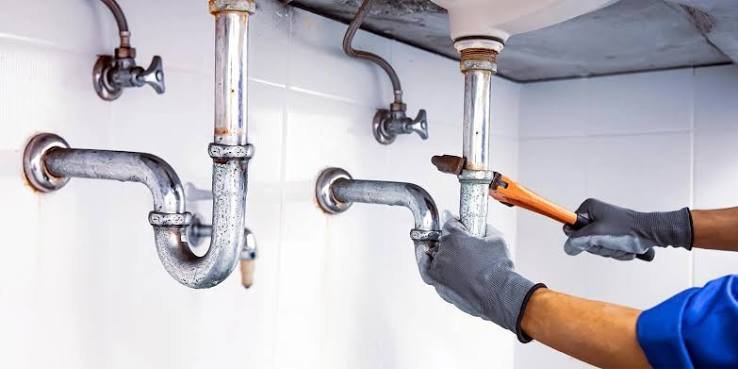
Good bathroom plumbing starts with paying attention to the small details. A faucet that drips after being turned off may have a worn washer or cartridge. Water collecting beneath a sink could point to a loose connection, a damaged seal, or a leaking drainpipe. These issues are easy to overlook when the bathroom still seems usable, but leaving them unattended can damage cabinets, flooring, and nearby walls.
Drain care is equally important. Hair, soap residue, and other debris gradually collect inside shower and bathtub drains. Rather than relying on harsh chemical cleaners every time water drains slowly, homeowners can remove visible debris and clean drain covers regularly. If the blockage keeps returning, a plumber can investigate whether the problem lies deeper in the pipe.
Ventilation also plays a role in protecting bathroom fixtures and surrounding surfaces. Excess moisture can encourage mold growth, loosen paint, and damage finishes. An effective exhaust fan, combined with prompt attention to leaks, helps maintain a healthier bathroom environment.
Everyday Plumbing Problems Often Begin Small
A plumbing emergency rarely arrives with a convenient warning. More often, it starts with a subtle change that nobody notices until the situation gets worse. Water pressure drops slightly, a drain makes an unfamiliar gurgling sound, or a faint damp smell appears near a wall.
This is why routine observation matters. Homeowners don’t need to become plumbing experts, but they should know what is normal in their homes. Check under sinks occasionally, look around toilet bases for moisture, and listen for toilets that continue refilling when nobody has used them. A constantly running toilet can waste a surprising amount of water over time.
The broader general plumbing system includes supply lines, drainage pipes, shut-off valves, faucets, and connections throughout the property. When one part fails, the effects may appear somewhere else. For example, a blocked drain can cause water to back up, while a hidden supply-line leak may create damp patches far from the original problem.
It’s also useful to know where the main water shut-off valve is located. If a pipe bursts or a major leak develops, turning off the water supply quickly can limit damage while professional assistance is arranged. In an emergency, that simple bit of preparation can save floors, furniture, and plenty of money.
Protecting Pipes Through the Changing Seasons
Plumbing needs can change with the weather. In colder regions, exposed pipes may freeze and expand, increasing the risk of cracks or bursts. Insulating vulnerable pipes, sealing drafts around exterior walls, and maintaining appropriate indoor temperatures can reduce that risk.
Even in warmer climates, seasonal checks are worthwhile. Outdoor taps, irrigation connections, and hoses can develop leaks that go unnoticed for weeks. Before periods of heavy rain, it also makes sense to check drainage around the property and ensure that water can move away from the building rather than collecting near its foundation.
Inside the home, avoid treating drains like rubbish bins. Grease, coffee grounds, wipes, and food scraps can create stubborn blockages, even when a product is advertised as safe to flush. Grease is particularly troublesome because it can cool and harden inside pipes, gradually trapping other debris.
A few sensible habits can prevent many avoidable callouts. Use sink strainers, dispose of cooking oil properly, and avoid forcing objects into drains. If several fixtures begin draining slowly at the same time, the problem may involve a shared drain line rather than an individual sink.
When a Professional Plumber Is the Better Choice
Some plumbing tasks are manageable for a confident homeowner. Replacing a showerhead, cleaning a drain cover, or tightening an accessible connection may be straightforward. Other jobs require specialist knowledge, suitable equipment, and an understanding of local building requirements.
Persistent leaks, sewer odors, repeated blockages, unexplained increases in water bills, and sudden changes in water pressure deserve closer investigation. Attempting a complicated repair without understanding the cause can make matters worse. A small leak, for instance, may be a symptom of excessive pressure or corrosion rather than a simple loose fitting.
Experienced professionals can identify the source of a problem, explain the available repair options, and help homeowners understand which work needs immediate attention. Asking for a clear estimate before work begins is sensible, especially when a repair may involve opening a wall or replacing a section of pipe.
Reliable plumbing solutions should address the cause of the issue, not simply hide the symptoms for a few days. That might mean replacing a damaged component, clearing a deeper obstruction, improving pipe insulation, or recommending an upgrade where an older fixture repeatedly fails. The right approach depends on the condition of the system and the needs of the household.
A Little Maintenance Goes a Long Way
Plumbing maintenance doesn’t need to become another complicated item on the household to-do list. A brief monthly check can help identify visible leaks, unusual noises, slow drains, and signs of moisture. Every few months, inspect accessible pipes and connections, clean faucet aerators when mineral deposits affect flow, and check that toilets stop running after flushing.
Keep records of major repairs and note the age of important fixtures. This information can help when deciding whether to repair an older component or replace it before another failure occurs. Homeowners planning renovations should also consider how their choices affect water efficiency, accessibility, and future maintenance.
Small improvements can have lasting benefits. Water-efficient fixtures may reduce consumption, while quality fittings and professional installation can lower the likelihood of recurring problems. The cheapest repair is not always the least expensive option in the long run.
Creating a Home That Works Better Every Day
A dependable plumbing system is easy to take for granted because, when everything works properly, nobody gives it much thought. Yet clean water, working drains, and dependable bathroom fixtures are part of what makes a house feel comfortable and secure.
Paying attention to early warning signs, following a few practical maintenance habits, and seeking professional help when needed can prevent minor faults from turning into major headaches. It also helps homeowners make informed decisions rather than rushing into repairs under pressure.
Ultimately, good plumbing care is less about reacting to disasters and more about looking after the systems people rely on every day. A little attention now can mean fewer interruptions later, lower water waste, and a home that continues to work as it should.