A home is more than a place to sleep at the end of a long day. It’s where families gather, weekends disappear into small repair projects, and ordinary moments become memories. Naturally, homeowners want their property to look good, feel comfortable, and stand up to whatever the weather brings. Yet keeping a house in good condition takes more than occasional cleaning or a fresh coat of paint. It means paying attention to the details that protect the structure, improve energy efficiency, and prevent minor problems from becoming expensive repairs.
From worn window frames to damaged siding and storm-related leaks, exterior maintenance deserves a little planning. The right improvements can make a home more attractive while helping it remain durable and comfortable throughout the changing seasons.
Why the Exterior of Your Home Matters
The outside of a house does several important jobs at once. It protects the interior from rain, wind, sunlight, pests, and temperature changes. It also contributes to the property’s appearance and influences how much energy the home uses throughout the year.
Unfortunately, exterior problems don’t always announce themselves clearly. A small crack in the siding might allow moisture behind the wall. Loose shingles may go unnoticed until heavy rain arrives. Peeling paint around a window could indicate that water is getting into places where it shouldn’t.
A quick inspection every few months can help homeowners catch these warning signs early. Look for missing roofing materials, damaged caulking, loose trim, clogged gutters, and areas where paint or siding has begun to deteriorate. After particularly strong weather, it’s worth checking the property again.
The goal isn’t to repair everything at once. It’s to understand what’s happening and prioritize the issues that could affect the home’s safety, structure, or long-term value.
Choosing Windows and Doors That Work Harder
Windows and doors are easy to overlook until they begin sticking, leaking air, or allowing water to enter during a storm. Because these components connect the indoors with the outdoors, their condition has a direct effect on comfort and energy use.
Modern windows & doors can help reduce unwanted drafts, improve insulation, and give an older property a more updated appearance. However, the benefits depend on choosing suitable products and installing them correctly. Even a high-performance window can disappoint if the surrounding frame is poorly sealed or the installation leaves gaps.
When comparing replacement options, consider the local climate, glass performance, frame materials, hardware quality, and ease of maintenance. Double- or triple-pane glazing may improve insulation, while appropriate weatherstripping can reduce air leakage around operable doors and windows.
Don’t forget about condensation. Occasional moisture on glass can occur under certain indoor humidity conditions, but persistent condensation between window panes may indicate a failed seal. Water stains near frames deserve attention, too, because the source could be damaged flashing, deteriorated caulking, or another building-envelope issue.
Replacing every window isn’t always necessary. Sometimes repairing the frame, refreshing the weatherstripping, or resealing an exterior joint can address the problem at a much lower cost.
Preparing for Severe Weather Before It Arrives
Storms can be unpredictable, and even a well-maintained home can suffer damage when strong winds, hail, or driving rain move through an area. Preparation won’t eliminate every risk, but it can reduce avoidable problems.
Start with the basics. Keep gutters clear, secure loose outdoor furniture, trim branches that could strike the roof, and check that exterior doors close firmly. Inspect siding and roof coverings for visible damage, and make sure water drains away from the foundation rather than collecting alongside it.
Homeowners should also understand which parts of their property are most vulnerable. Older roofs, aging window seals, loose fascia boards, and deteriorated siding may need attention before the next severe weather event.
It’s sensible to review insurance coverage before a storm rather than after one. Policies differ in how they handle wind, hail, flooding, and other types of damage, so knowing the exclusions and documentation requirements can prevent confusion later.
A little preparation may seem uneventful on a sunny afternoon. That’s precisely the point. Preventive work is most useful when it happens before an emergency.
What to Do When Storm Damage Occurs
After severe weather, safety comes first. Stay away from fallen power lines, unstable structures, and areas where electrical equipment may have contacted water. If you suspect a gas leak or serious structural damage, leave the affected area and contact the appropriate emergency service.
Once it’s safe to assess the property, document visible damage with photographs and videos. Take pictures of damaged roofing, broken glass, water stains, fallen branches, and affected belongings. Contact your insurer promptly and keep records of conversations, receipts, and temporary repairs.
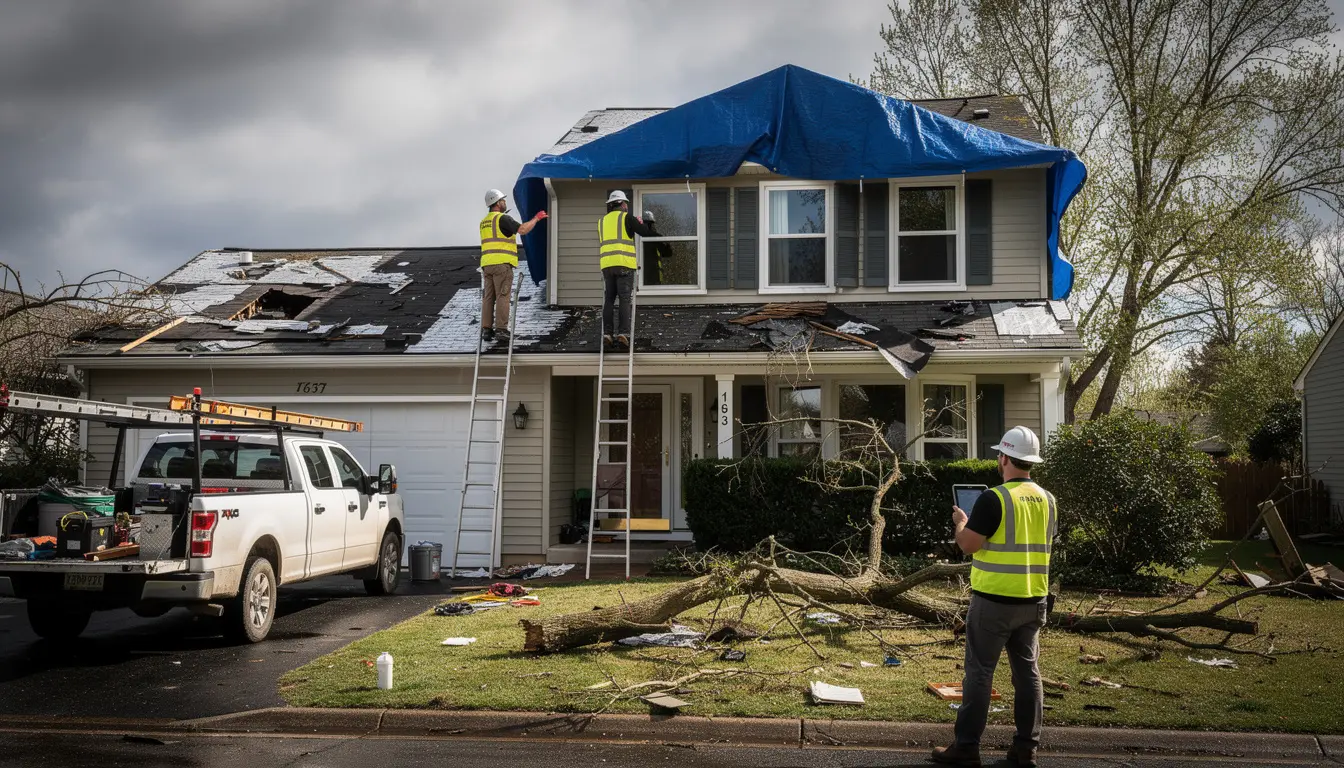
Professional storm damage restoration can help address problems that extend beyond what a homeowner can safely handle. Depending on the situation, the work may involve emergency board-up services, water removal, drying, roof repairs, replacing damaged siding, or restoring affected interior spaces.
Time matters when water enters a building. Wet insulation, drywall, flooring, and wooden framing can develop additional problems if moisture remains trapped. Prompt drying and a careful assessment can reduce the risk of mold growth and further deterioration.
Be cautious when hiring contractors after a major weather event. Ask for written estimates, verify appropriate licensing where required, check insurance coverage, and understand the scope of work before signing an agreement. Avoid anyone who pressures you into an immediate decision or promises that your insurance claim is guaranteed to be approved.
Exterior Improvements That Add Lasting Value
Not every exterior project needs to involve an emergency or a major renovation. Some of the most worthwhile improvements are relatively straightforward.
Fresh exterior paint can protect suitable surfaces while giving the property a cleaner, more cared-for appearance. Replacing damaged siding may improve weather resistance, while updated lighting can make entrances easier to navigate after dark. Well-maintained gutters, attractive entryways, and properly sealed trim can also make a noticeable difference.
Thoughtful exterior improvements should balance appearance with practical performance. For example, adding decorative landscaping near the foundation may improve curb appeal, but plants and soil must be positioned so they don’t trap moisture against the structure. Similarly, a new patio can make outdoor living more enjoyable, provided the grading directs rainwater away from the house.
Budget is another important consideration. Homeowners often get better results by dividing projects into stages rather than attempting a complete exterior makeover all at once. Address water intrusion and structural concerns first, then move on to energy upgrades and cosmetic details.
Whenever possible, choose durable materials that suit the local climate. A slightly higher initial investment may be worthwhile if it reduces maintenance needs and extends the life of the improvement.
Making Maintenance a Regular Habit
The easiest way to manage exterior upkeep is to create a simple seasonal routine. In spring, check for damage left by winter weather and clean the gutters. During summer, inspect paint, caulking, and exposed wood. In autumn, clear leaves from drainage systems and prepare vulnerable areas for colder conditions. After severe storms, carry out an additional safety-focused inspection.
Keep notes about completed repairs, product warranties, and areas that may need attention later. This information can be useful when budgeting for future work or explaining the property’s maintenance history to a prospective buyer.
A Stronger, More Comfortable Home Starts Outside
A well-maintained exterior does more than make a property look appealing from the street. It helps protect the structure, supports indoor comfort, and reduces the likelihood of preventable damage. Small repairs, carefully chosen upgrades, and timely professional assistance can all contribute to a more dependable home.
There will always be another project to consider, of course. That’s part of owning a house. The trick is to stay observant, deal with important problems early, and make improvements that serve a genuine purpose. With that approach, your home can remain attractive, resilient, and ready for the years ahead.