There are plenty of things homeowners worry about — a leaky roof, an aging water heater, rising utility bills. Water quality doesn’t always make the list until something changes. Suddenly the tap water tastes different, the shower leaves mineral spots everywhere, or the kitchen faucet develops that familiar crusty buildup.
That’s usually the moment people start looking into water treatment.
And honestly, the goal doesn’t need to be complicated. Most homeowners aren’t trying to become water chemistry experts. They simply want water that tastes better, works well for everyday use, and doesn’t create unnecessary headaches.
The challenge is finding a system and service provider that can deliver exactly that.
What Does Better Water Mean to You?
“Better water” can mean different things to different households.
For one family, it might mean reducing chlorine taste. For another, it could mean dealing with hard water, iron stains, sulfur odors, sediment, or specific contaminants.
That’s why high-quality water starts with understanding the water you already have.
A water test can help identify important characteristics such as hardness, pH, iron, sulfur, and other potential concerns. Once those results are available, you can make a much more informed decision about treatment.
Buying equipment before testing is a bit like buying medicine before knowing what’s wrong. It might work, but it’s not exactly the smartest way to go about it.
Why Professional Water Testing Matters
Water can look perfectly clear and still contain dissolved substances you can’t see.
Testing gives you a starting point. It can help determine whether you need a softener, carbon filtration, reverse osmosis, whole-house filtration, or perhaps no major treatment at all.
A professional can also look at the bigger picture. Household size, water usage, plumbing configuration, and water source can all affect which system makes sense.
This personalized approach is particularly valuable for private well owners, where water conditions can vary significantly from one property to another.
Treatment Doesn’t Have to Be Expensive
One common misconception is that water treatment automatically means a major upfront expense.
In reality, there are different ways to approach it.
Some homeowners may want to purchase a system outright. Others may prefer affordable rental or purchase options that spread costs differently or include service and maintenance.
Rental programs can be useful for people who don’t want to make a large upfront investment or who aren’t sure how long they’ll remain in a property.
Purchasing may make more sense for homeowners who plan to stay for years and want long-term ownership.
Neither choice is automatically better. The right option depends on your budget, plans, and the type of equipment involved.
What Kind of System Do You Need?
Not every water problem requires the same technology.
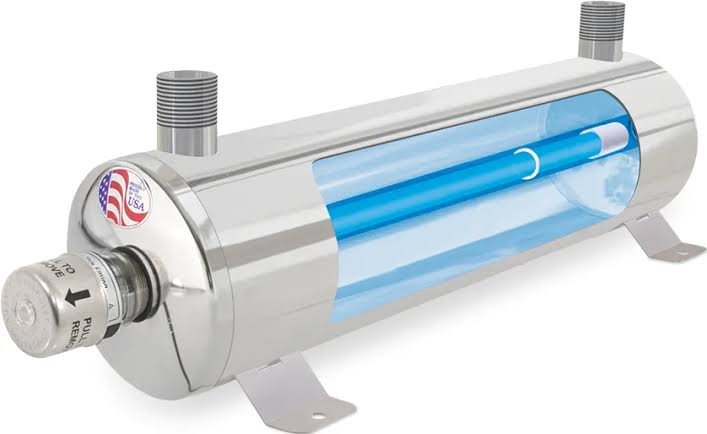
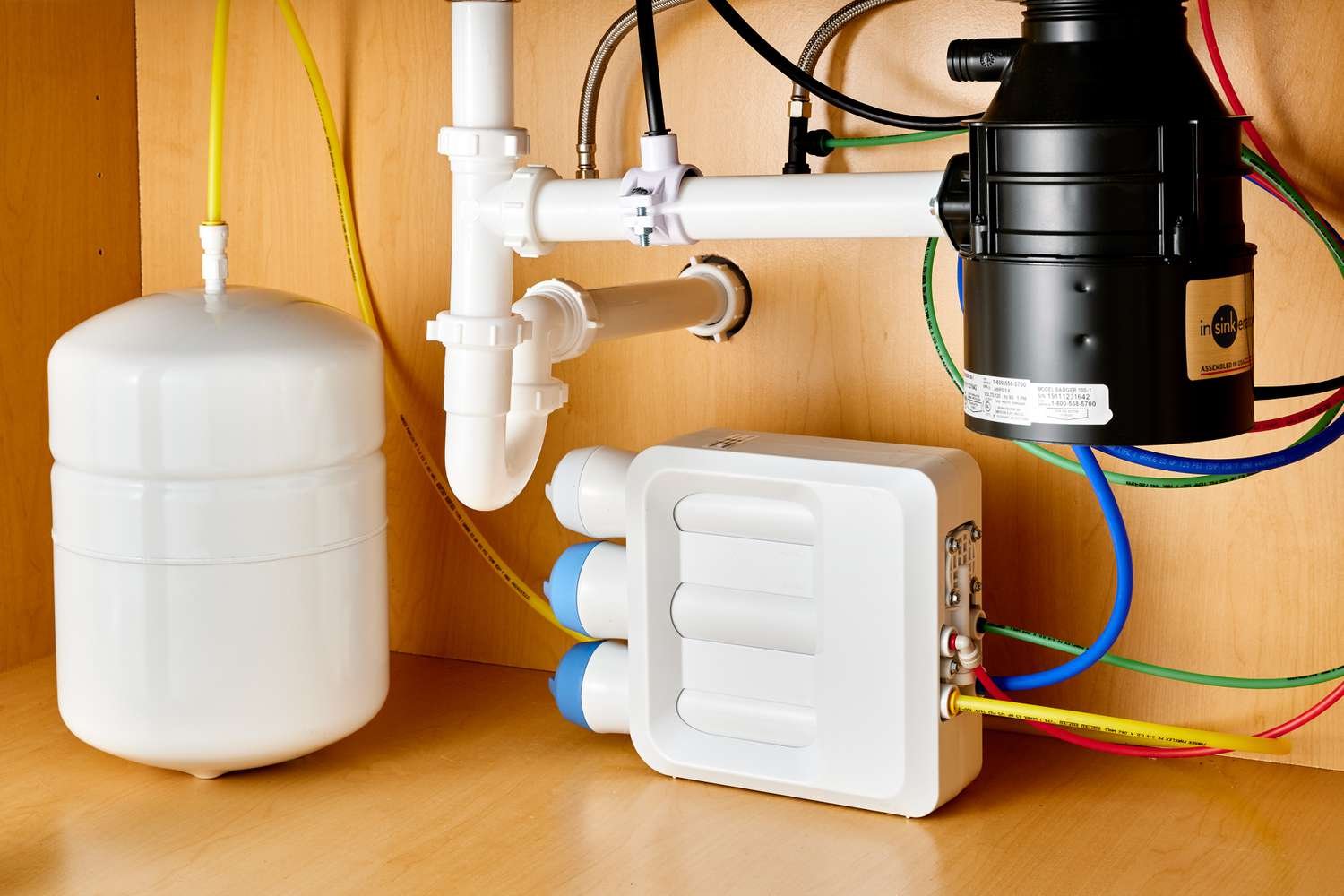
A water softener can help address hardness and reduce mineral buildup. Carbon filtration is commonly used to improve taste and reduce chlorine. Reverse osmosis is often chosen for drinking and cooking water when a higher level of dissolved-substance reduction is desired.
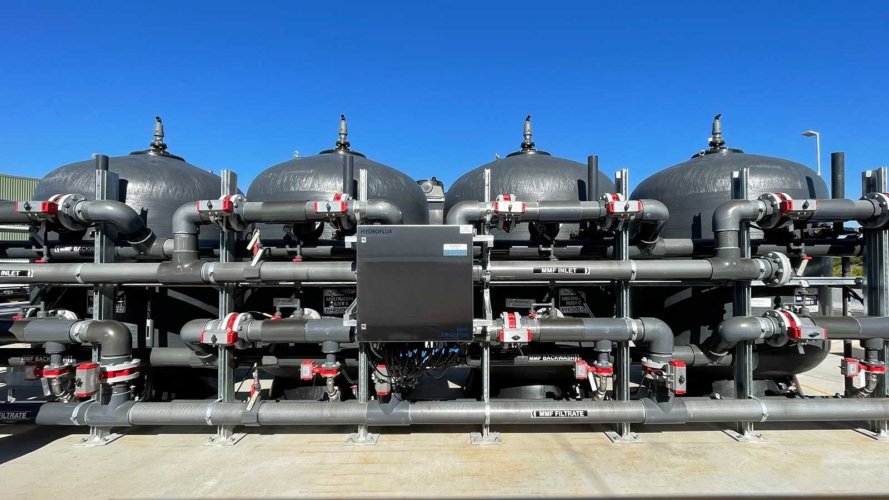
Whole-house systems treat water as it enters the home, while point-of-use systems focus on a specific faucet.
The trick is matching the system to the problem.
A reputable provider should explain why a particular technology is being recommended rather than simply showing you the most expensive model.
Installation Is More Important Than It Looks
Even an excellent filtration system can perform poorly if it’s installed incorrectly.
Water pressure, plumbing connections, drainage, equipment positioning, and available space all matter. Under-sink systems especially need careful planning because kitchen cabinets somehow manage to have less space than you remember.
That’s why professional, courteous installation matters.
A good technician should arrive prepared, work carefully, protect the surrounding area, explain what they’re doing, and leave the workspace clean. It sounds basic, but anyone who’s had a contractor leave a mess behind knows it’s not something to take for granted.
Think About Maintenance Before You Buy
Every water treatment system needs some attention.
Filters need replacement. Softener systems may require salt. Reverse osmosis membranes have a limited lifespan. Components can eventually wear out.
Ask about maintenance before making your decision.
Find out how often filters need changing, what replacement parts cost, whether service plans are available, and what happens if something stops working.
A system that’s affordable to install but expensive or difficult to maintain may not be the best value over several years.
Small Improvements Can Make a Big Difference
The benefits of better water aren’t always dramatic. Often, they’re small things you notice throughout the day.
Coffee tastes better. Water doesn’t have that strong chlorine flavor. The shower feels different. Faucets stay cleaner. You may stop buying so many bottles of water.
None of these changes sounds life-changing on its own, but together they can make the home feel more comfortable.
And there’s a certain satisfaction in fixing a problem you used to simply tolerate.
Don’t Let Marketing Make the Decision
Water treatment advertisements can be persuasive. “Pure.” “Advanced.” “Ultimate.” “Maximum protection.”
These words sound great, but they don’t tell you whether a system is right for your home.
Instead, look at the actual water test results, system specifications, maintenance requirements, warranty, and installation support.
Ask questions. A trustworthy provider shouldn’t mind explaining the details.
If the explanation sounds like a sales pitch rather than useful information, take a step back.
Finding the Right Long-Term Solution
Good water treatment isn’t just about purchasing equipment. It’s about finding a solution that fits your home and your life.
Start with testing. Understand what needs improvement. Compare treatment technologies and costs. Then think about installation and long-term service.
Whether you rent or purchase, the system should be properly sized, correctly installed, and maintained over time.
At the end of the day, the best water treatment setup is one you don’t have to constantly think about. You turn on the faucet, fill your glass, take a shower, run the dishwasher — and everything simply works.
That’s the real value of better water: not flashy technology, but everyday comfort and a little more peace of mind.