Water is one of those behind-the-scenes essentials that keeps a business moving. Restaurants need it for cooking and cleaning. Hotels rely on it for guests and laundry. Offices use it for drinking and kitchens. Manufacturing facilities may depend on water for processes that have very little room for inconsistency.
When water quality causes trouble, the problem can quickly become more than a plumbing issue. Equipment may require extra maintenance, beverages may taste different, and production processes can become harder to control.
That’s why choosing the right filtration approach deserves a little thought before anyone starts comparing equipment prices.
Start With a Clear Picture of the Water
The first question shouldn’t be, “Which filter should we buy?”
It should be, “What is actually in our water?”
A professional water analysis can provide useful information about hardness, sediment, chlorine, iron, pH, dissolved solids, and other characteristics. The exact testing depends on the facility and how the water is being used.
This information helps prevent businesses from buying treatment equipment based on assumptions. A filter that works well in one building may be unnecessary—or simply unsuitable—in another.
Water chemistry isn’t one-size-fits-all.
Why Commercial Filtration Matters
For many facilities, commercial water filtration is about more than making drinking water taste better. Filtration can also help protect equipment and support consistent water quality throughout an operation.
Sediment, for example, can interfere with valves, fixtures, beverage equipment, and other components. Certain carbon filtration systems may help reduce chlorine and improve taste and odor.
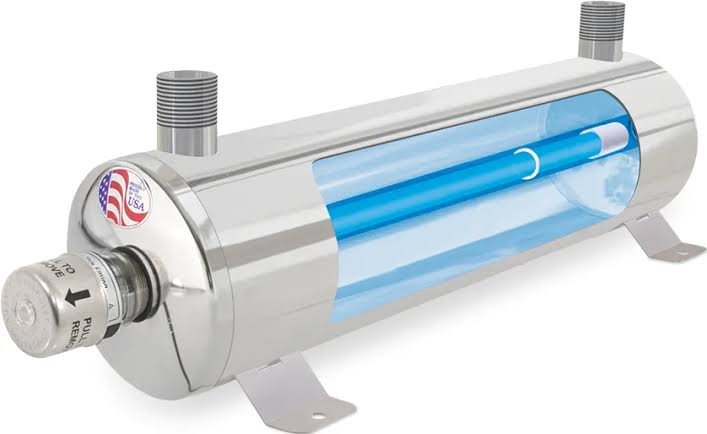
Specialized filtration can be selected when testing identifies a particular water-quality concern.
The key is matching the filter media and technology to the job. A filter shouldn’t be chosen because it has the longest list of features. It should be chosen because those features actually solve the problem.
When the Entire Building Needs Treated Water
Some businesses need treatment at just one or two points. Others want consistent water quality throughout the property.
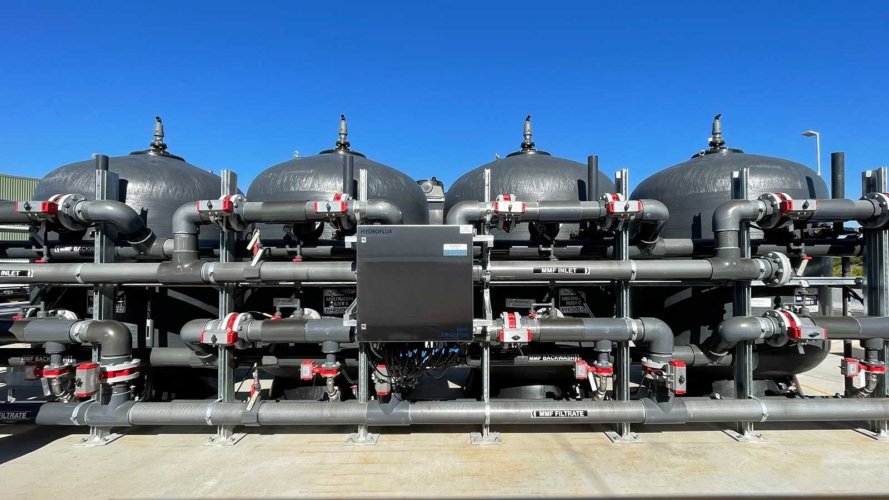
That’s where whole-building water filtration systems can make sense. These systems are installed so water is treated before it travels through the building’s distribution network.
A whole-building approach may be useful for facilities with multiple kitchens, bathrooms, drinking stations, laundry areas, or water-dependent equipment.
It can also simplify management. Instead of maintaining separate filters at numerous points, a centralized system may provide a more consistent treatment strategy.
Of course, system sizing becomes especially important. The equipment needs to handle peak demand, not merely the average amount of water used during a quiet part of the day.
Peak Flow Can Change Everything
Imagine a hotel early in the morning. Guests are showering, staff are preparing breakfast, laundry equipment is running, and several faucets are being used at once.
That’s very different from the water demand at 2 p.m.
Commercial treatment systems need to be designed around those real-world peaks. Flow rate, water pressure, building size, number of fixtures, and expected consumption all matter.
A system that cannot keep up with demand may cause pressure problems or inconsistent treatment. Proper sizing from the beginning is much easier than trying to fix an undersized system later.
When Reverse Osmosis Is Worth Considering
Some applications need more than conventional filtration. Drinking-water stations, food and beverage operations, laboratories, and certain manufacturing processes may require a higher level of dissolved-solids reduction.
In these situations, commercial reverse osmosis systems may be worth considering.
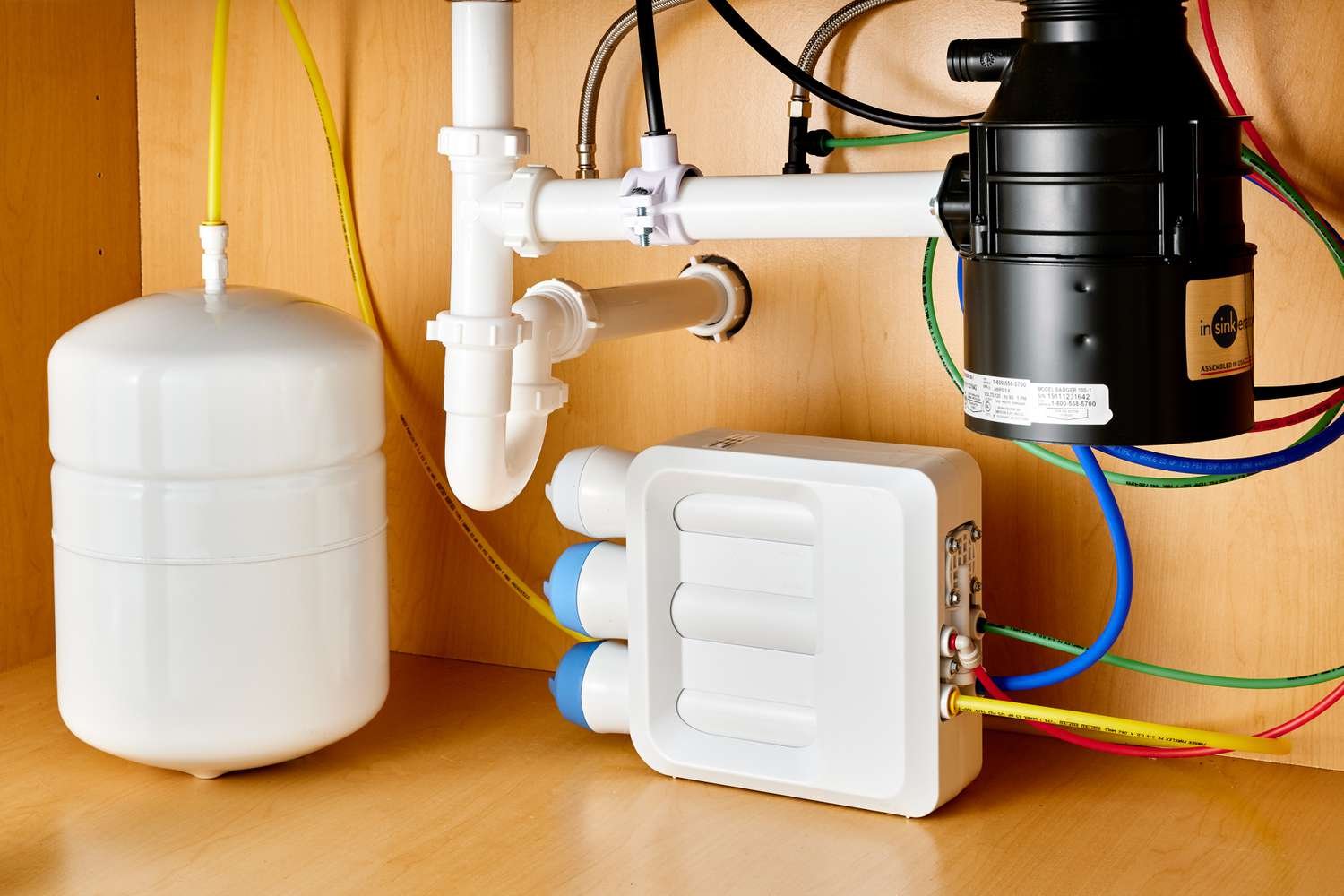
Reverse osmosis uses a semipermeable membrane to reduce many dissolved substances from water. The system typically works alongside pretreatment stages, such as sediment and carbon filtration.
RO can be highly effective, but it also comes with practical considerations. Membranes and filters need maintenance, water pressure must be appropriate, and some systems produce wastewater during operation.
It’s a powerful technology, but it should be used where it makes sense rather than installed simply because it sounds advanced.
Protecting Equipment Through Better Water
Commercial equipment is expensive, and water quality can have a surprisingly large effect on its performance.
Hardness can contribute to mineral scale. Sediment may clog components. Certain water characteristics can affect boilers, dishwashers, coffee equipment, ice machines, and other appliances.
Filtration and treatment can help manage these concerns, although they shouldn’t replace regular equipment maintenance.
The best results usually come when water treatment and preventative maintenance work together. One protects the water side; the other keeps the equipment itself in good working order.
Maintenance Should Be Part of the Plan
A filtration system doesn’t maintain itself forever.
Filters need replacement. RO membranes require servicing. Valves and controls may need inspection. Some systems have media that eventually needs regeneration or replacement.
Businesses should understand these requirements before installation. Ask about replacement intervals, maintenance costs, service availability, and the expected lifespan of major components.
Keeping a service log can also be helpful. Record when filters were changed, when equipment was inspected, and when water testing was performed.
It sounds simple because it is. But simple systems for tracking maintenance can prevent surprisingly expensive mistakes.
Think About Total Operating Costs
The initial purchase price is only one piece of the puzzle.
Businesses should consider installation, replacement filters, energy consumption, wastewater, service visits, and other operating expenses. A system that costs less upfront isn’t necessarily the most economical choice over five or ten years.
Ask for a realistic estimate of ongoing costs. Knowing what the system will require after installation can make the buying decision much clearer.
Choosing a System That Fits the Business
The right commercial filtration strategy depends on the facility, the water, and the intended use.
Some businesses may need straightforward sediment and carbon filtration. Others may benefit from whole-building treatment. Certain applications may require reverse osmosis or multiple technologies working together.
There isn’t a prize for choosing the most complicated setup.
The better goal is reliable, appropriate treatment that quietly supports daily operations. Start with testing, understand the water, calculate actual demand, and choose equipment designed around those facts.
When the right system is installed and maintained properly, clean water becomes something a business can simply depend on. And honestly, that’s exactly how it should be.