There’s a certain peace of mind that comes from knowing more about the water your family uses every day. Unfortunately, many homeowners only begin questioning their water quality when something goes wrong. Perhaps the kitchen faucet produces cloudy water, the bathroom develops unusual stains, or drinking water suddenly tastes different.
Whatever brings the issue to your attention, accurate testing provides a practical starting point for understanding what’s happening and deciding whether treatment is necessary.
For Burton homeowners, investing a little time in understanding their water supply can prevent unnecessary expenses and help address concerns before they become more troublesome. After all, water is too important a part of everyday life to leave entirely to guesswork.
What Your Tap Water Might Be Hiding
Clear water can be surprisingly deceptive. Just because it looks fresh and doesn’t have an unpleasant smell doesn’t necessarily mean you know everything about its quality.
Water naturally collects dissolved minerals as it moves through soil and rock formations. Treatment processes, environmental conditions, and household plumbing can also influence what eventually reaches your faucet.
Some substances announce their presence through visible staining or noticeable flavors. Others remain undetectable without specialized equipment.
That’s one reason testing is valuable even when there isn’t an obvious problem.
Understanding your water doesn’t mean assuming the worst. It simply means gathering enough information to make sensible decisions about something your household depends on every day.
Understanding the Bigger Picture of Household Water Quality
A few basic measurements can reveal quite a lot about your water, but different concerns require different types of analysis.
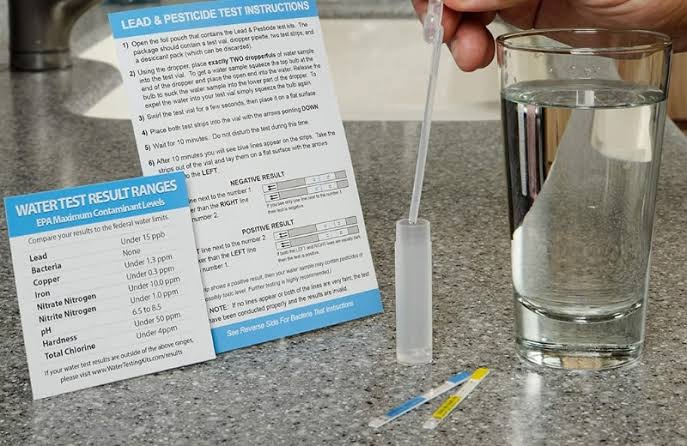
A thorough water quality assessment may include examining hardness, pH, iron concentration, dissolved solids, and other relevant characteristics, alongside laboratory testing for specific contaminants when appropriate.
Hardness measurements can help explain persistent mineral deposits. Iron testing may provide clues about reddish-brown stains, while pH measurements offer information about whether water is acidic or alkaline.
Depending on the water source, additional analysis for microorganisms, nitrates, lead, or other substances may be necessary.
Understanding how these measurements relate to household experiences makes the results considerably more useful.
It’s not just about collecting numbers. It’s about knowing what those numbers mean.
Why Working With Local Water Professionals Makes Sense
When something goes wrong with your plumbing, having knowledgeable assistance nearby can make life considerably easier. The same principle applies to water quality concerns.
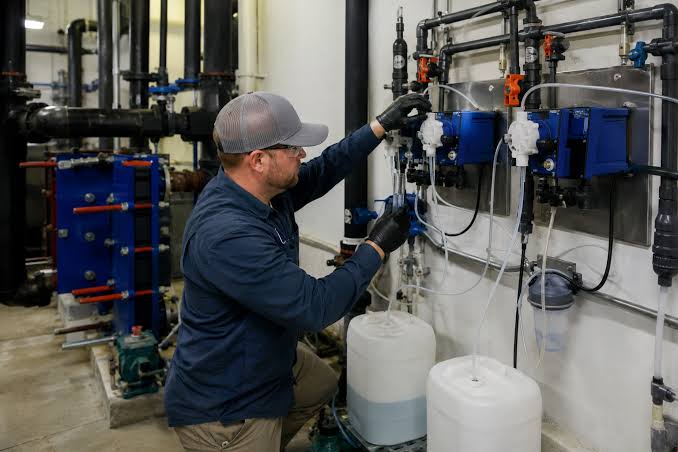
Working with dependable local water testing services can help homeowners arrange suitable sample collection, understand testing results, and explore treatment technologies that address identified concerns.
Experienced professionals may also help determine whether a basic screening is sufficient or whether samples should be sent to an appropriately certified laboratory.
Before arranging an appointment, ask what the testing includes and whether you’ll receive a written explanation of the findings.
It’s worth understanding whether the service provides independent analysis or primarily uses testing to recommend equipment.
Good advice should help you make an informed decision without feeling pressured into an immediate purchase.
Paying Attention to Changes in Your Water
Sometimes, your household provides the first clues that something isn’t quite right.
Maybe you’ve noticed that soap doesn’t lather as easily as it used to. Perhaps your kettle develops mineral deposits unusually quickly, or freshly washed laundry has unfamiliar discoloration.
These observations are worth mentioning when arranging a professional assessment.
Keeping a simple record of when changes occur can be helpful, too. Does the problem affect every faucet or only one? Is it more noticeable after heavy rainfall? Does it occur with hot water, cold water, or both?
These details may help narrow down possible causes.
However, sudden changes in water appearance, taste, or odor should be investigated promptly rather than dismissed as harmless inconveniences.
Choosing Treatment Based on Evidence, Not Advertising
Walk through the water filtration section of a home improvement store, and you’ll encounter plenty of impressive promises. But more expensive equipment doesn’t automatically deliver better results.
Conventional water softeners address excessive hardness. Sediment filters capture suspended particles, while activated carbon can reduce certain unwanted tastes, odors, and contaminants.
Reverse osmosis may help reduce specific dissolved substances that ordinary filters cannot effectively address.
Each technology serves a different purpose.
Testing helps homeowners identify which treatment capabilities are actually necessary, potentially avoiding unnecessary equipment and ongoing maintenance expenses.
When comparing systems, look for independently verified performance against the substances identified in your water.
A straightforward treatment arrangement that solves your particular problem is often more valuable than an elaborate system with unnecessary features.
Making Regular Testing Part of Home Maintenance
Water quality can change over time. Aging plumbing, environmental conditions, and declining filtration performance may all influence household water characteristics.
Private well owners, in particular, should maintain a regular testing schedule and arrange additional analysis following flooding, well repairs, or significant changes in water quality.
Homeowners with existing treatment equipment can also benefit from follow-up testing to evaluate whether their systems continue performing as intended.
This is especially important when equipment is designed to reduce potentially harmful contaminants.
Keeping previous test reports makes it easier to compare results and recognize changes over time.
It’s a relatively small administrative task that can provide valuable information in the future.
A Better Understanding of Water Starts at Home
For Burton homeowners, improving household water quality begins with curiosity, reliable information, and thoughtful decisions.
Rather than spending money on equipment that might not solve your concerns, take the time to understand your water supply and explore suitable treatment options.
Whether you’re preparing dinner, filling a child’s water bottle, or enjoying a quiet morning coffee, water is always part of the picture.
Knowing more about its quality is a simple but meaningful way to look after your home and the people who share it.