Fill a glass of water from the kitchen faucet and take a moment to notice its smell and taste. Is there a faint chemical odor? Does it leave a slightly unpleasant aftertaste? Perhaps it tastes perfectly normal, yet you’re still curious about what’s actually in it.
Water quality is something many homeowners overlook until an obvious problem appears. However, understanding your water involves more than noticing changes in its appearance or flavor.
Municipal treatment processes, underground water sources, and household plumbing can all influence the water reaching your faucet.
Fortunately, reliable testing and suitable treatment options can help you make sense of these factors. You don’t need a background in chemistry to understand your household water. A little curiosity, some dependable information, and the right professional guidance can go a long way.
What Your Water Test Results Can Tell You
Receiving a water quality report can initially feel overwhelming. There are unfamiliar measurements, chemical names, and numbers that don’t mean much without an explanation.
A thorough water testing and results review helps homeowners understand these findings and determine whether particular water characteristics require attention.
For instance, elevated mineral hardness might explain why your bathroom fixtures develop stubborn white deposits. Other results could reveal substances requiring specialized filtration or additional investigation.
A good review should explain the significance of the findings, distinguish aesthetic concerns from potential health risks, and outline suitable next steps.
Don’t hesitate to ask what individual measurements mean. Understanding the results is just as important as collecting the sample itself.
After all, a laboratory report sitting unread in a kitchen drawer isn’t going to improve your water.
Why Municipal Water Contains Disinfectants
If your tap water occasionally reminds you of a swimming pool, you’re probably noticing the effects of municipal disinfection.
Water suppliers commonly use chlorine and chloramines to control harmful microorganisms and help maintain microbiological protection as water travels through distribution networks.
Chloramine, which is formed by combining chlorine and ammonia, generally remains in the water longer than free chlorine.
These disinfectants serve an important public health purpose. Nevertheless, some homeowners find their associated tastes or odors unpleasant.
Appropriately selected carbon filtration equipment may help reduce these characteristics. However, removing chloramine can require different filter media or longer contact times than removing free chlorine.
Understanding which disinfectant your water supplier uses can therefore influence your filtration choices.
The goal isn’t to undermine the importance of municipal disinfection. It’s to find suitable ways to improve water quality at the point where you use it.
When Basic Water Screening Isn’t Enough
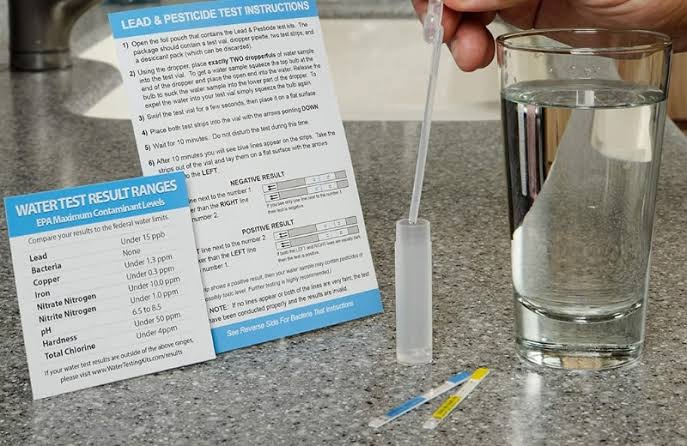
Simple household screening kits can provide useful information about characteristics such as hardness and pH. But they aren’t necessarily capable of identifying every substance that might be present.
In certain circumstances, advanced lab testing offers a more detailed investigation of specific metals, microorganisms, chemical compounds, and other potential contaminants.
This can be particularly valuable for households relying on private wells, properties with older plumbing, or homeowners investigating unexplained changes in their water supply.
An appropriately certified laboratory can help determine which tests are relevant to your circumstances.
Proper sample collection matters, too. Certain analyses require special containers, specific collection procedures, or timely transportation to the laboratory.
Following these instructions carefully helps ensure that your results accurately reflect the water being investigated.
Choosing Filtration Based on Your Actual Water Conditions
There’s no shortage of water filtration products on the market. The difficult part is figuring out which one genuinely suits your home.
Activated carbon can address certain chemical tastes and odors. Sediment filtration captures suspended particles, while traditional softening equipment reduces calcium and magnesium.
Reverse osmosis technology may help reduce specific dissolved contaminants when the selected equipment has verified performance for those substances.
Each technology has its own strengths and limitations.
Rather than purchasing equipment because it promises exceptionally pure water, compare its capabilities with your test results.
Also consider maintenance expenses, installation requirements, and replacement filter availability.
Sometimes, a modest kitchen filtration system is all you need. In other circumstances, a more comprehensive treatment arrangement may make better practical sense.
Paying Attention to Changes in Your Water Supply
Water quality isn’t necessarily constant throughout the year.
Seasonal conditions, changes in source water, plumbing repairs, and adjustments to municipal treatment processes can influence certain water characteristics.
Perhaps you’ve noticed that your tap water tastes different after nearby utility work. Private well owners might experience changes following heavy rainfall or flooding.
These observations are worth investigating rather than automatically dismissing.
Contact your water supplier when unexpected changes occur, and arrange appropriate testing when necessary.
Private well owners should also follow recommended monitoring schedules, even when their water appears perfectly normal.
Maintaining Your Filtration Equipment Matters
Installing a water filter is a positive step, but maintenance is what helps preserve its performance.
Carbon media eventually becomes exhausted, cartridges require replacement, and membrane-based equipment needs periodic servicing.
Don’t rely solely on taste to decide when a filter needs changing. Some contaminants cannot be detected through ordinary sensory observations.
Follow manufacturer recommendations and consider follow-up testing when equipment is installed to address particular health-related concerns.
Taking a More Thoughtful Approach to Better Water
Water is part of almost everything we do at home. It shapes the taste of our morning coffee, supports everyday cleaning, and keeps countless household routines moving.
Understanding its quality doesn’t need to become a complicated project.
Start with reliable information, investigate genuine concerns, and choose treatment equipment that addresses your specific requirements.
Sometimes, the most worthwhile improvement begins with simply asking what’s in your glass.
Once you understand the answer, making practical decisions about your household water becomes a whole lot easier.