
Water is one of those things we hardly notice until it begins causing problems. Maybe your coffee suddenly tastes different, the shower leaves your skin feeling dry, or white mineral spots keep showing up on freshly cleaned dishes. They’re small annoyances on their own, but together they often point to a bigger story happening inside your plumbing system.
The interesting part is that water quality isn’t the same everywhere. Even homes just a few miles apart can have completely different water conditions depending on the source, local geology, and municipal treatment processes. That’s why choosing the right water treatment solution isn’t about buying the most expensive equipment—it’s about understanding what your water actually needs.
Once you know that, everything else becomes much easier.
Every Water Supply Has Its Own Challenges
Some homes receive treated municipal water that’s safe to drink but still contains chlorine or hardness minerals. Others rely on private wells, where naturally occurring minerals, sediment, and even trace contaminants may require additional attention.
You can’t judge water quality by appearance alone. Crystal-clear water can still contain dissolved minerals that gradually damage appliances or affect taste. Likewise, cloudy water isn’t always unsafe—it simply signals that further investigation is worthwhile.
A proper water analysis removes the guesswork and provides a clearer picture of what’s flowing through your taps every day.
Hard Water Quietly Affects Everyday Life
Hard water isn’t dangerous, but it certainly makes life a little more complicated.
Soap takes longer to rinse away.
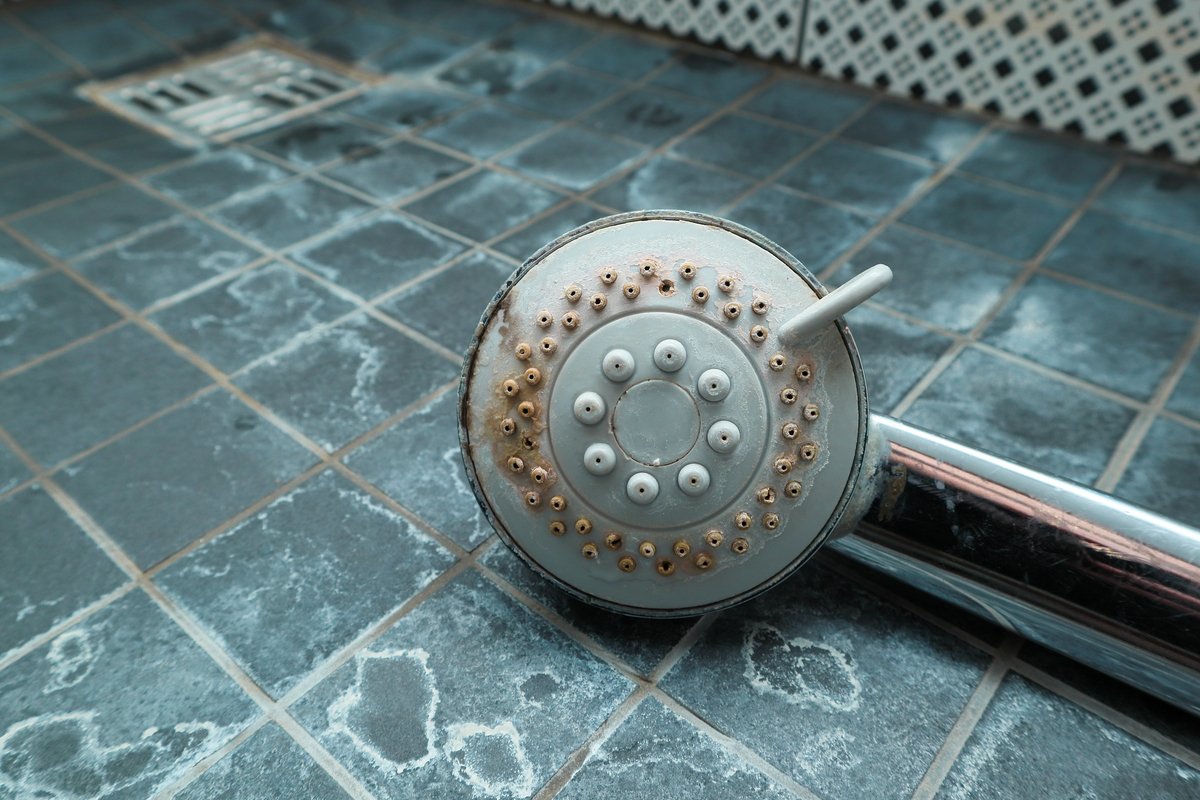
Showerheads slowly clog with mineral deposits.
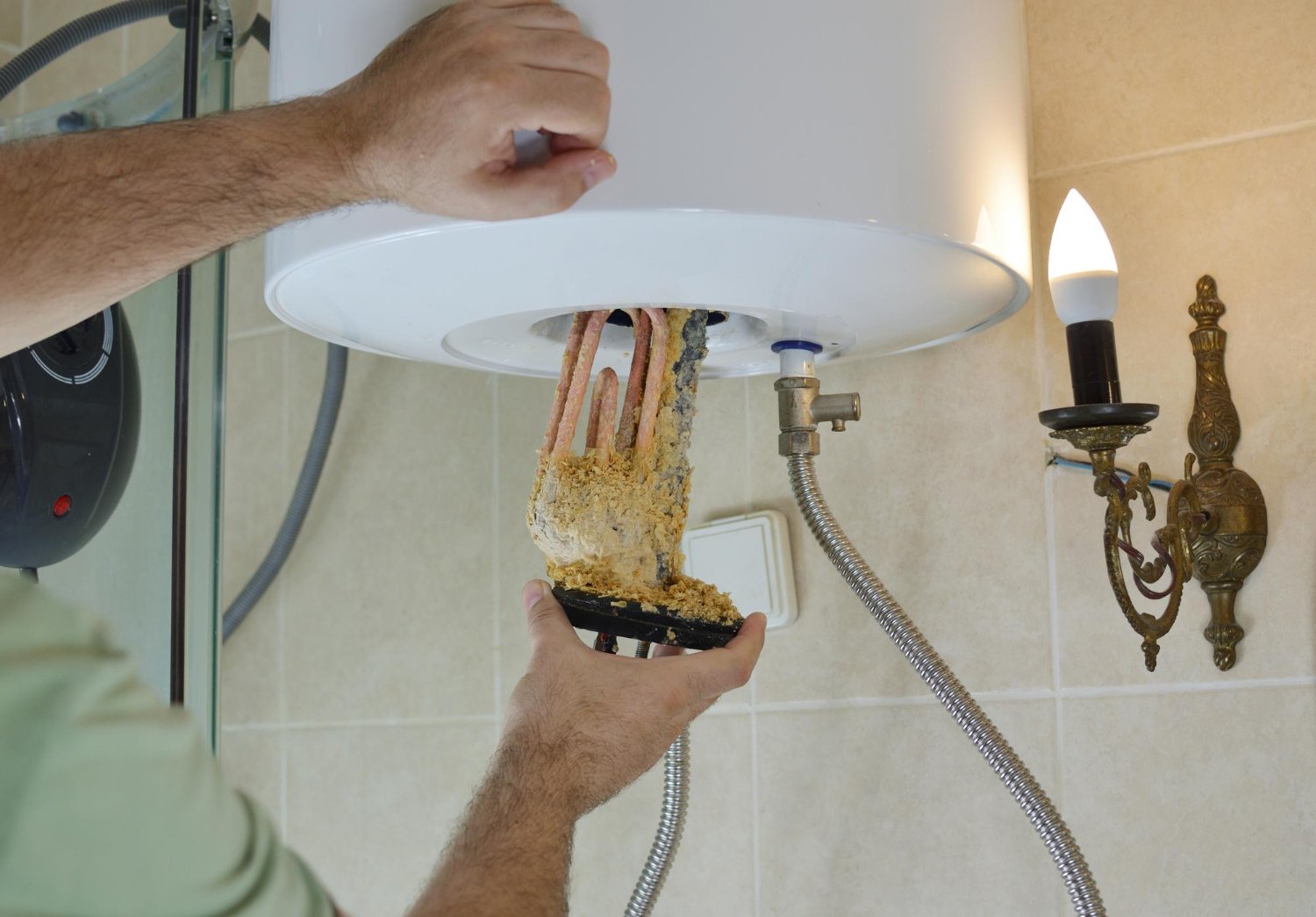
Water heaters lose efficiency.
Glassware develops cloudy spots.
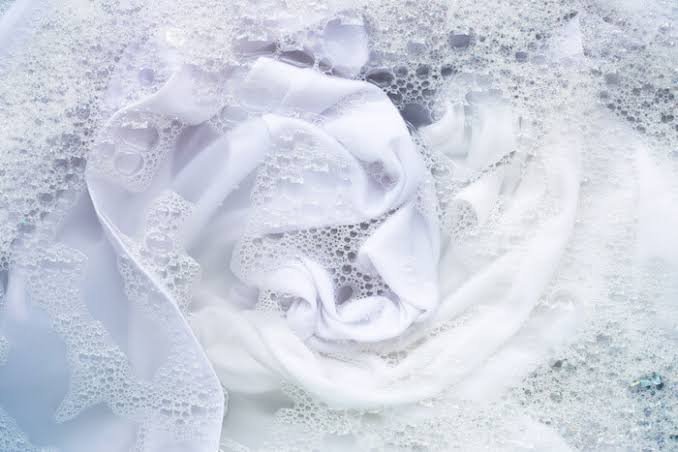
Laundry may feel rough after washing.
These issues don’t usually appear overnight. They build gradually until homeowners realize they’re spending more time cleaning and maintaining appliances than they should.
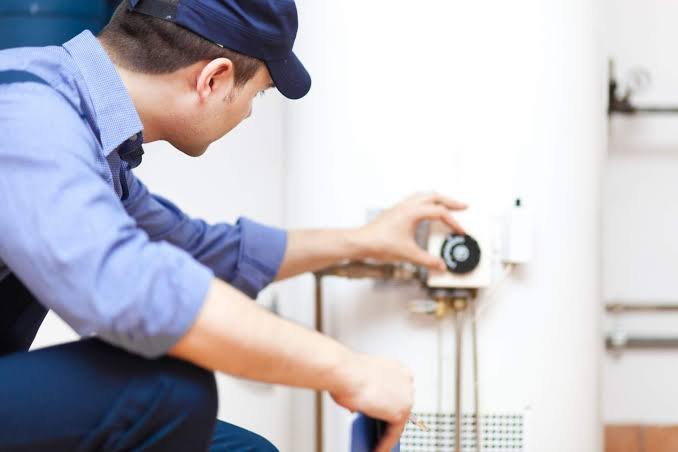
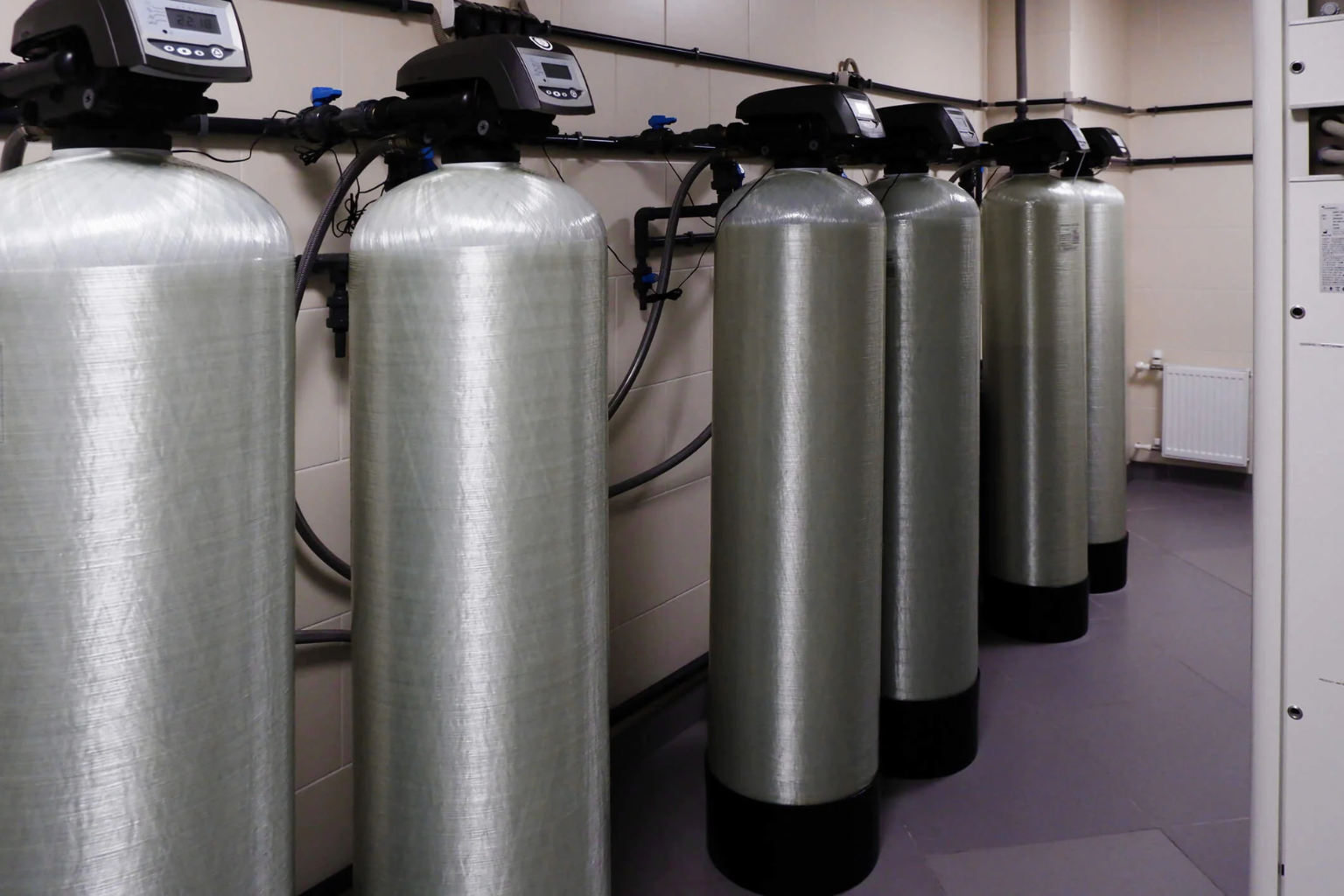
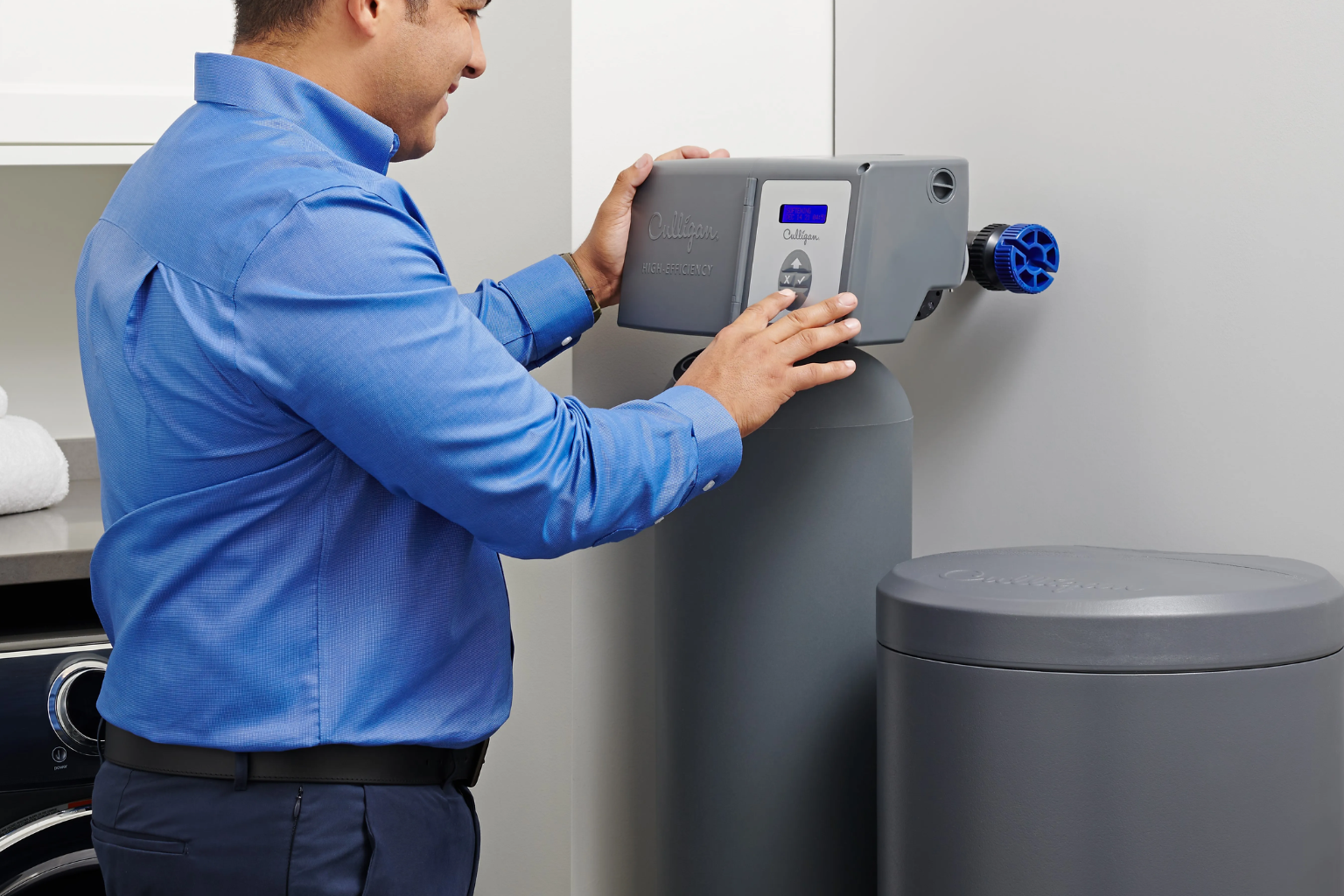
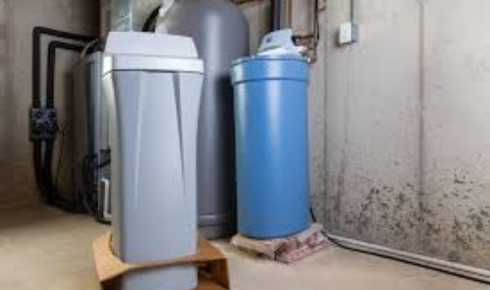
Installing water conditioners can significantly reduce the effects of hardness by helping minimize scale buildup throughout the plumbing system. Besides making cleaning easier, conditioning equipment often extends the life of water heaters, washing machines, dishwashers, and other household appliances.
It’s one of those upgrades people rarely regret once they experience the difference.
Clean Water Means More Than Better Taste
Many people first explore water treatment because they want cleaner drinking water. That’s understandable. But quality treatment benefits extend well beyond the kitchen sink.
Improved water protects plumbing fixtures.
Appliances operate more efficiently.
Water heaters consume less energy.
Clothing often lasts longer.
Even routine household cleaning becomes a little easier.
These improvements may seem small individually, but together they create noticeable savings over the years while making everyday life just a bit more comfortable.
Why Filtration Isn’t Always Enough
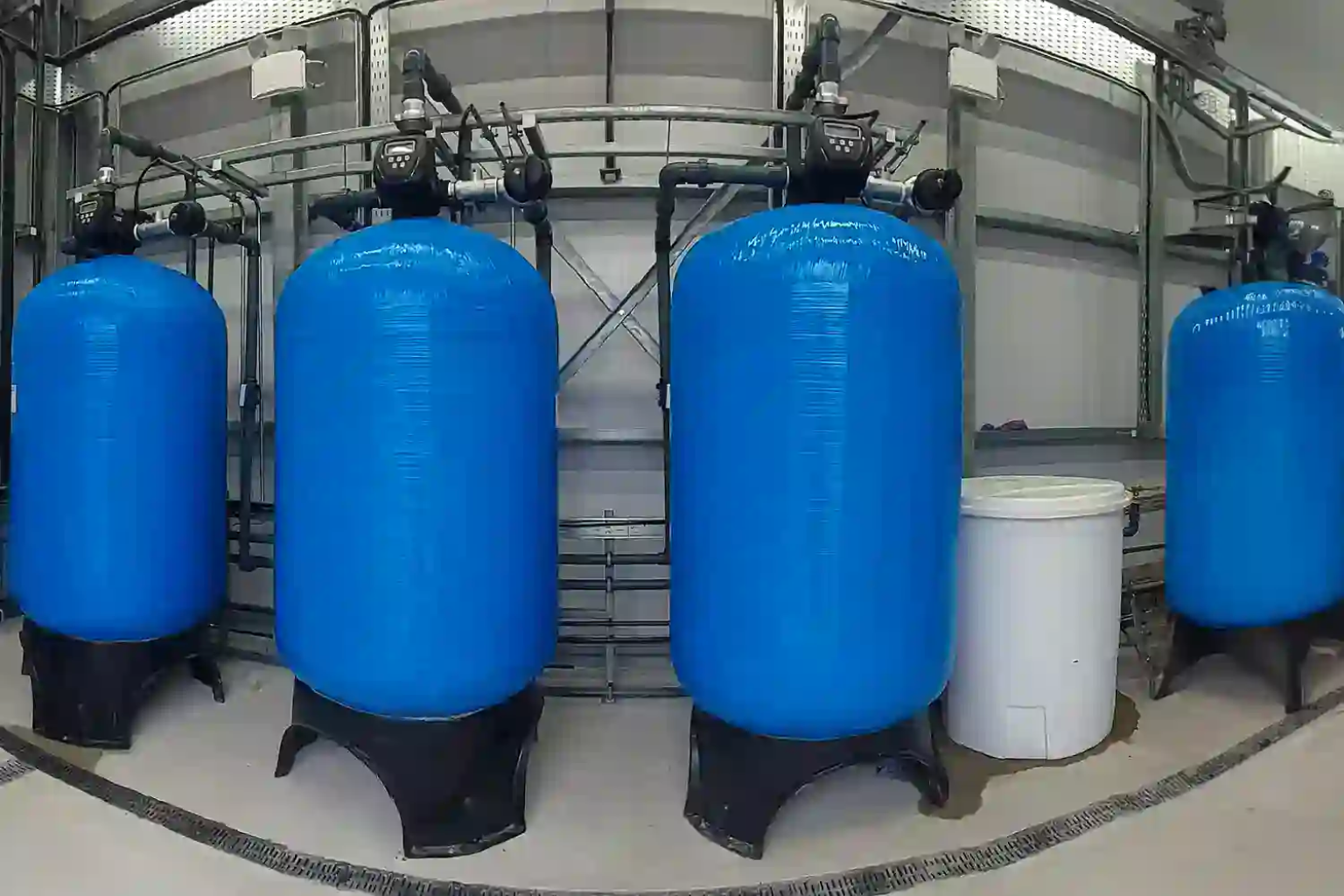
Traditional filters are excellent at removing sediment, rust particles, and some unwanted compounds, but no single filter solves every water issue.
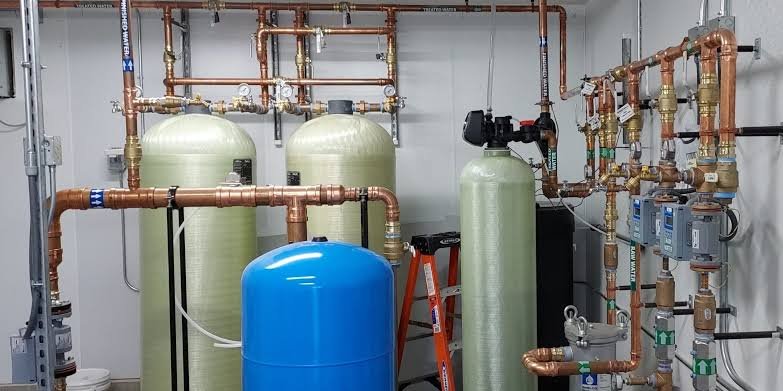
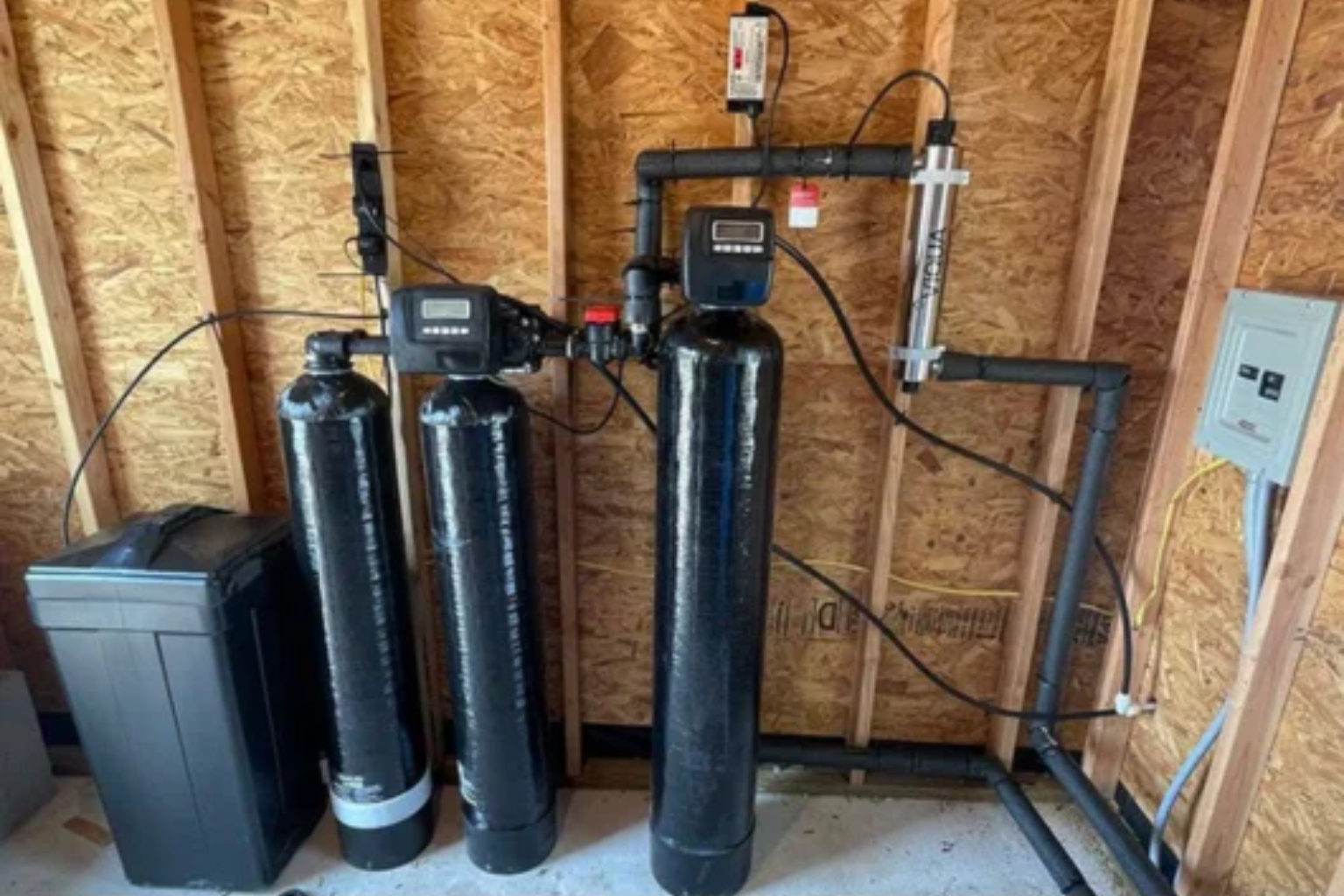
That’s why many treatment systems combine multiple technologies.
Sediment filters remove visible particles.
Carbon filtration improves taste and odor.
Softening systems reduce mineral buildup.
Disinfection technologies target microorganisms.
Advanced membrane filtration removes dissolved contaminants.
Each stage contributes something different, creating a treatment process that’s far more effective than relying on a single component.
The Growing Popularity of Reverse Osmosis Systems
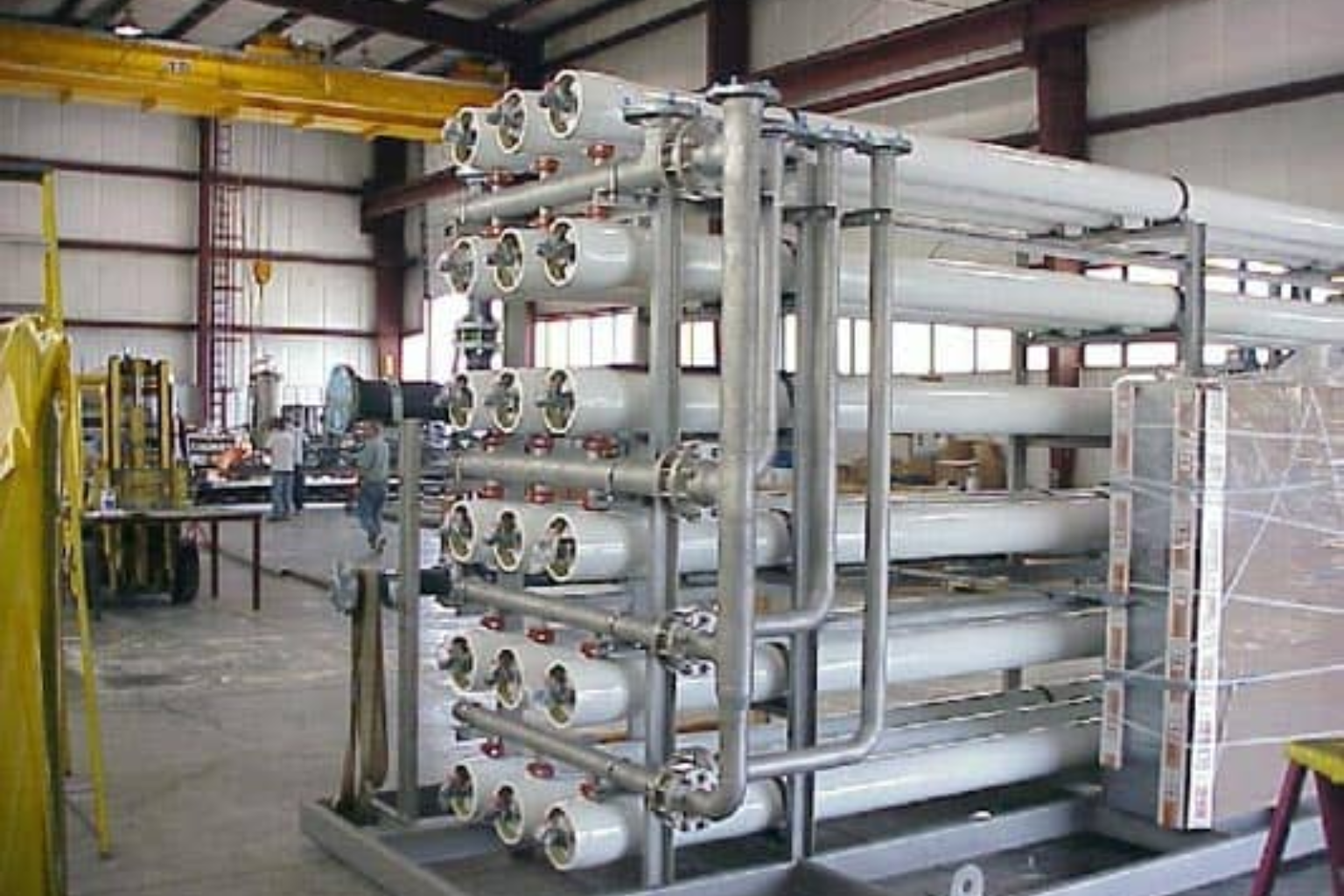
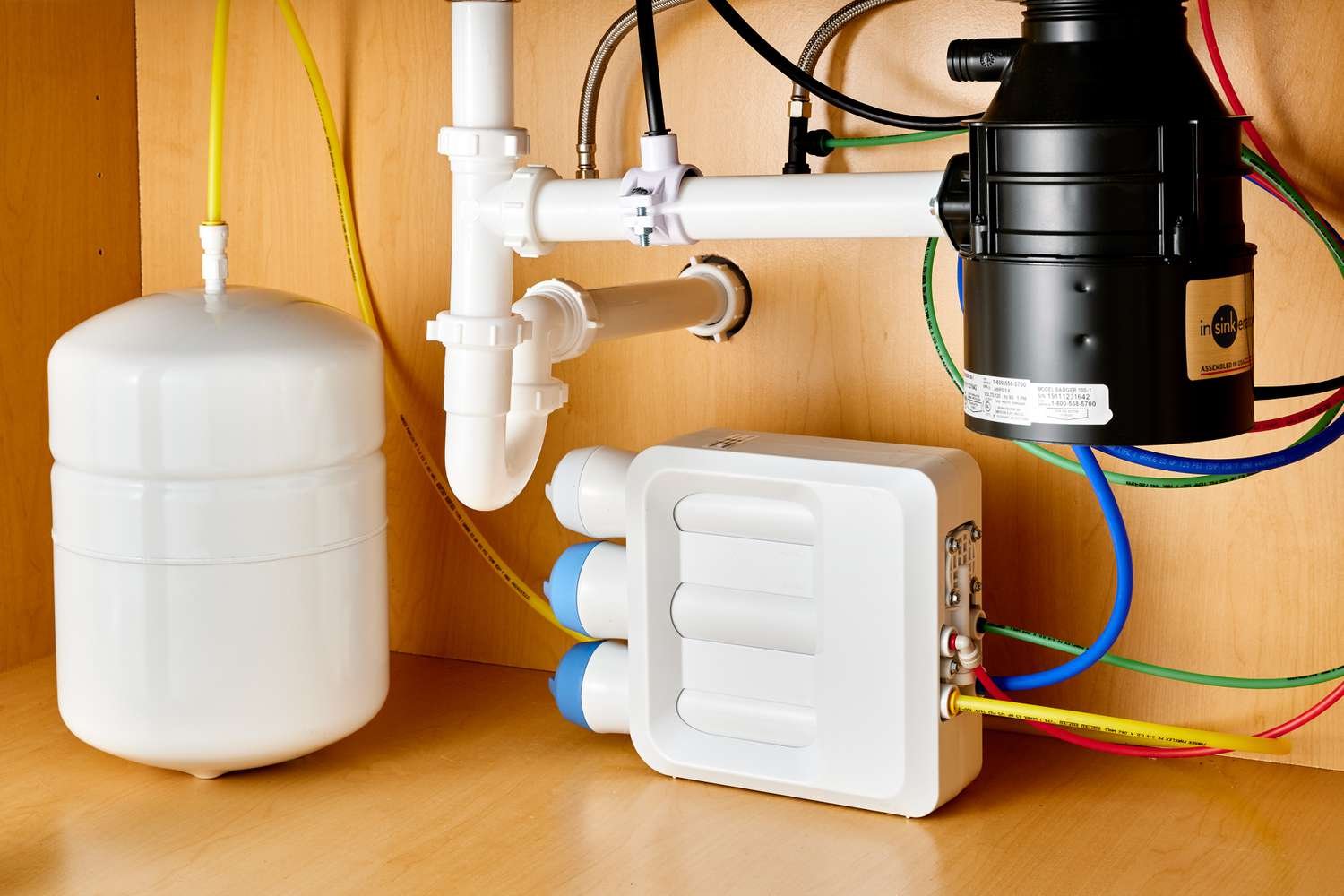
One technology that continues gaining popularity in both residential and commercial settings is reverse osmosis systems. These systems use a semi-permeable membrane to reduce a wide range of dissolved impurities, producing cleaner drinking water with improved taste and clarity.
Many homeowners appreciate reverse osmosis because it addresses contaminants that ordinary filtration may not effectively remove.
It’s especially valuable in areas where dissolved solids, certain metals, or unwanted minerals affect water quality.
Modern systems have also become more efficient than earlier generations, reducing water waste while delivering consistent performance with relatively simple maintenance.
When paired with pre-filtration and routine servicing, reverse osmosis offers dependable long-term results.
Maintenance Makes Every System Perform Better
Even the best equipment requires occasional attention.
Filters eventually become saturated.
Treatment media wears down.
Membranes require replacement.
Connections should be inspected periodically.
Fortunately, routine maintenance isn’t usually difficult. Most homeowners can handle basic filter replacements, while professional inspections every so often help ensure the entire system continues operating as intended.
Ignoring maintenance, on the other hand, often leads to reduced efficiency long before equipment completely fails.
Small investments in preventive care typically prevent much larger repair bills later.
Water Testing Should Never Be Overlooked
Before installing treatment equipment—or even after it’s been running for several years—it’s wise to evaluate current water conditions.
Reliable test kits and accessories provide homeowners with an easy way to monitor factors such as hardness, pH, chlorine levels, and other important water quality indicators. While comprehensive laboratory testing remains valuable for detailed analysis, routine testing at home helps identify changes before they become larger problems.
Water supplies naturally change over time due to seasonal conditions, aging infrastructure, or shifts in groundwater composition.
Regular monitoring helps treatment systems continue delivering the performance they’re designed to provide.
Investing in Water Quality Is an Investment in Your Home
Quality water treatment isn’t simply about drinking cleaner water.
It’s about protecting expensive appliances.
It’s about reducing plumbing repairs.
It’s about improving efficiency.
It’s about creating a more comfortable daily routine.
Whether you own a small home, a larger property, or even manage a commercial building, reliable water treatment contributes to long-term savings that often outweigh the initial installation cost.
Perhaps even more importantly, it provides confidence that every faucet, shower, and appliance is receiving water that’s been properly cared for.
Final Thoughts
Water treatment isn’t about finding one magical product that fixes everything. Every home has unique water conditions, and the most successful systems are designed around those specific needs rather than assumptions.
From reducing hard water problems to producing cleaner drinking water and monitoring ongoing water quality, today’s treatment technologies offer practical solutions that fit a wide variety of homes and lifestyles. When combined with regular testing and simple maintenance, these systems continue delivering dependable performance year after year.
In the end, clean water quietly improves countless parts of everyday life. You may not think about it every time you turn on the tap, but you’ll certainly notice the difference when your appliances last longer, your water tastes better, and your home simply runs more efficiently.