Water is part of nearly every routine we have. It starts the day with a shower, fills the coffee maker, cleans the dishes after dinner, and quietly flows through appliances we barely think about. Because it’s always there, it’s easy to overlook how much influence it has on the comfort and efficiency of our homes.
The interesting thing about hard water is that it rarely announces itself with one dramatic problem. Instead, it leaves behind a trail of small inconveniences that slowly become part of everyday life. A cloudy shower door here, a stubborn faucet stain there, towels that don’t feel quite as soft as they used to—these little signs often point to the same underlying issue.
Understanding what hard water does inside your home can help you make smarter decisions before those minor annoyances turn into expensive repairs.
Hard Water Is More Common Than Many People Think
Hard water simply means your water contains higher levels of naturally occurring minerals, primarily calcium and magnesium.
These minerals aren’t necessarily harmful to drink, but they can have a noticeable effect on plumbing systems, household appliances, and everyday cleaning. Since groundwater absorbs minerals while moving through layers of rock, hard water is common in many regions.
Some homeowners experience only mild mineral content, while others deal with significant buildup throughout their homes.
The difference often depends on local geology rather than anything happening inside the house itself.
Small Buildup Creates Bigger Problems Over Time
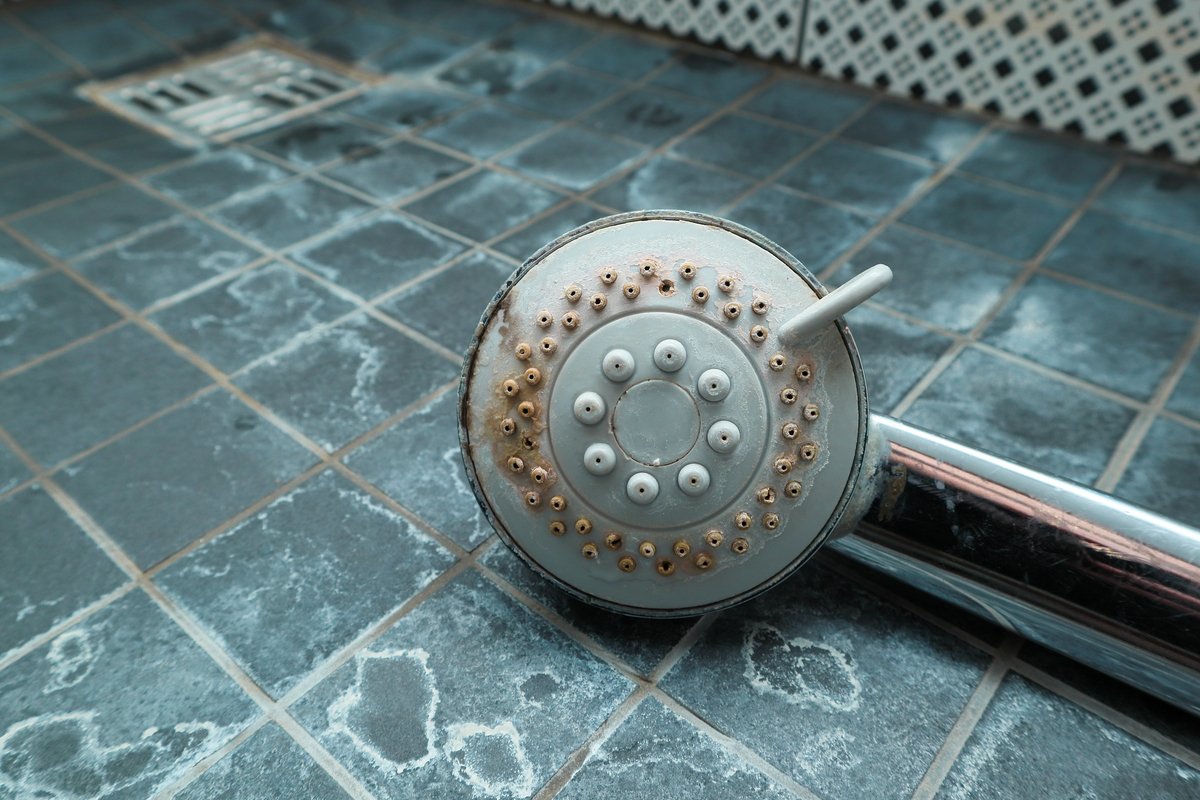
One of the first things homeowners notice is the appearance of mineral deposits around faucets, showerheads, and sink fixtures.
At first, they’re easy to wipe away.
Over time, however, those same minerals begin collecting inside plumbing fixtures, water heaters, coffee makers, dishwashers, and washing machines. Because the buildup happens gradually, many people don’t realize how much efficiency has been lost until an appliance requires repair or replacement.
Addressing mineral-related issues early often helps protect expensive household equipment while reducing future maintenance.
Better Water Improves Everyday Comfort
Many homeowners initially focus on protecting appliances, but they quickly discover that improved water quality also changes how everyday life feels.
Soap creates a richer lather. Shampoo rinses away more easily. Hair often feels smoother, and skin doesn’t seem quite as dry after bathing.
For many families, one of the most appreciated improvements is enjoying softer-feeling showers that leave skin and hair feeling more comfortable.
These changes may seem subtle at first, yet they’re noticeable enough that people often wonder why they waited so long to address hard water.
Comfort sometimes comes from the smallest improvements.
Your Appliances Notice Hard Water Too
Every gallon of water flowing through your home eventually reaches appliances.
Water heaters, dishwashers, washing machines, coffee makers, ice machines, and plumbing fixtures all interact with the same minerals entering the house each day. As scale builds inside these systems, efficiency gradually declines.
Water heaters, in particular, often require more energy to heat water once mineral buildup begins insulating heating elements or collecting inside the tank.
That extra strain may increase utility costs while shortening equipment lifespan.
Protecting appliances often becomes one of the greatest long-term benefits of treating hard water.
Why Dishes Never Quite Look Clean
If you’ve ever removed perfectly washed glasses from the dishwasher only to find cloudy marks covering the surface, you’re certainly not alone.
Hard water minerals frequently leave behind scale and spots even after the cleaning cycle has finished. The same thing happens on shower doors, faucets, tile, and other surfaces that regularly come into contact with water.
Many homeowners assume stronger cleaning products are the answer.
In reality, improving the water itself often reduces the need for constant scrubbing because fewer mineral residues remain behind in the first place.
Sometimes solving the source of the problem proves much easier than continually cleaning the symptoms.
Every Home Has Different Water Conditions
Not all hard water is exactly alike.
Some homes experience moderate mineral levels that primarily affect dishes and fixtures. Others have significantly harder water capable of creating substantial scale inside plumbing systems over time.
Professional water testing helps determine exactly what minerals are present and how concentrated they are before recommending treatment options.
That information allows homeowners to choose solutions based on actual water conditions rather than assumptions.
Personalized recommendations almost always produce better long-term results.
Better Water Helps Cleaning Products Work More Efficiently
Hard minerals interfere with soap and detergent performance more than many people realize.
Instead of producing rich lather, soap combines with minerals and leaves behind residue. Laundry detergents may require larger amounts to achieve the same cleaning results, while bathroom cleaning often becomes more time-consuming because mineral films continue forming.
Once hard water is addressed, homeowners frequently discover they need less soap, less detergent, and less effort to maintain a clean home.
Those practical improvements quietly save both time and money.
Regular Maintenance Keeps Water Systems Performing
Installing a water treatment system is only part of protecting your home’s water quality.
Like any household equipment, treatment systems benefit from periodic maintenance. Replacing filters where applicable, monitoring system performance, replenishing softener salt when necessary, and scheduling occasional inspections all contribute to dependable operation.
Routine care also helps identify small concerns before they become larger repairs.
Fortunately, maintaining modern water treatment equipment is generally straightforward.
Better Water Creates Better Everyday Living
The best home improvements aren’t always the most visible.
Sometimes they quietly improve daily routines in ways that become so normal you stop noticing them altogether. Cleaner dishes, brighter laundry, smoother showers, longer-lasting appliances, and easier housekeeping all begin with something as simple as improving the water flowing through your home.
Hard water isn’t necessarily something homeowners need to fear, but it is something worth understanding.
By recognizing the early signs, testing your water when needed, and selecting treatment based on your home’s specific conditions, you can protect your plumbing, improve comfort, and reduce unnecessary maintenance for years to come.
At the end of the day, water touches nearly every corner of your home. When it works with your household instead of against it, everything from morning showers to evening cleanup simply feels a little easier—and sometimes those quiet improvements make the biggest difference of all.