Water is one of the few things every household depends on from the moment the day begins until the lights go out at night. It brews the morning coffee, powers the shower, cleans the dishes, washes the laundry, and quietly keeps everything moving. Because it’s always there, most of us rarely stop to think about its quality.
But if your home has hard water, you may already be dealing with its effects without realizing it. Maybe your shower doors never seem completely clean, your faucets collect white deposits, or your skin feels dry no matter what moisturizer you use. These little annoyances are often connected by one common cause—mineral-rich water.
Fortunately, improving water quality doesn’t always require complicated changes. Installing a water softening system can make everyday routines easier while helping your home stay cleaner and your plumbing work more efficiently. The improvements often happen gradually, but once you notice them, it’s surprisingly difficult to imagine living without them.
Understanding Why Hard Water Matters
Hard water contains naturally occurring minerals, primarily calcium and magnesium. These minerals aren’t generally harmful to drink, but they can create ongoing challenges throughout your home.
As water flows through pipes and appliances, those minerals are left behind little by little. Over time, they build up inside plumbing, around faucets, inside water heaters, and on showerheads. At the same time, they interfere with soaps and detergents, making cleaning more difficult than it should be.
The result isn’t usually one major problem. Instead, it’s dozens of small inconveniences that quietly become part of daily life.
The Hidden Effects Around Your Home
Most people recognize hard water because of the white spots left on dishes or the chalky residue around sinks. But the impact extends much further than visible stains.
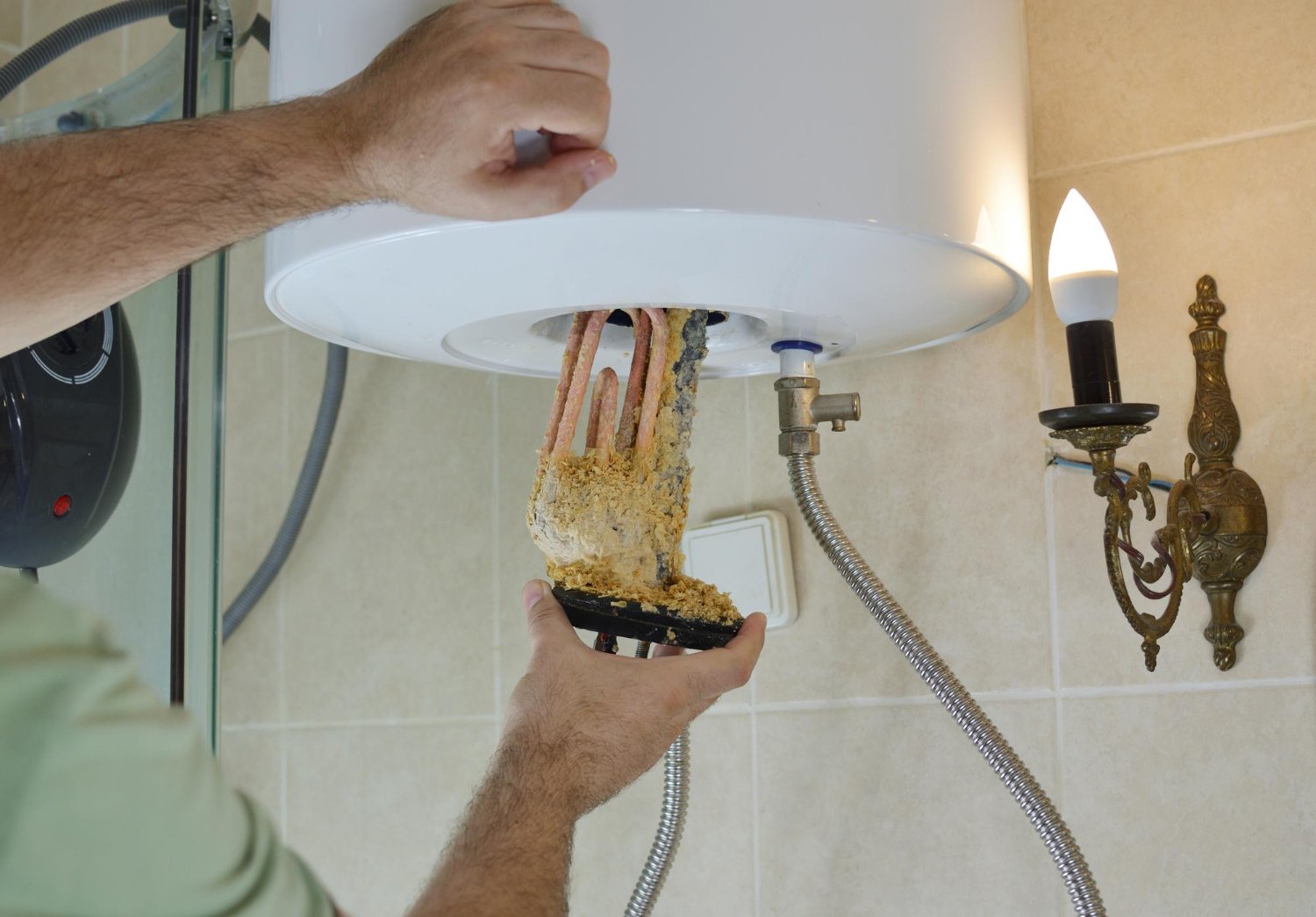
Mineral deposits can reduce water pressure by narrowing plumbing over time. Appliances often work harder because scale coats heating elements and internal components. Laundry may feel stiff after washing, and even freshly cleaned bathrooms can quickly develop new mineral residue.
These issues don’t happen overnight, which is exactly why they’re easy to overlook.
Many homeowners simply assume this is normal—until they experience softer water and realize how different everyday life can feel.
Less Scale Means Less Cleaning
One of the biggest frustrations with hard water is constant mineral buildup.
Kitchen faucets lose their shine. Shower doors become cloudy. Coffee makers require frequent cleaning, and dishwashers struggle to leave glassware spotless.
Water softening systems help reduce scale buildup , making household surfaces easier to maintain and reducing the amount of time spent scrubbing stubborn mineral deposits.
The difference isn’t just cosmetic. Less scale also helps equipment perform more efficiently, saving effort while making cleaning feel less like a never-ending project.
Giving Your Plumbing a Break
Most plumbing is hidden behind walls, so homeowners rarely think about it until something goes wrong.
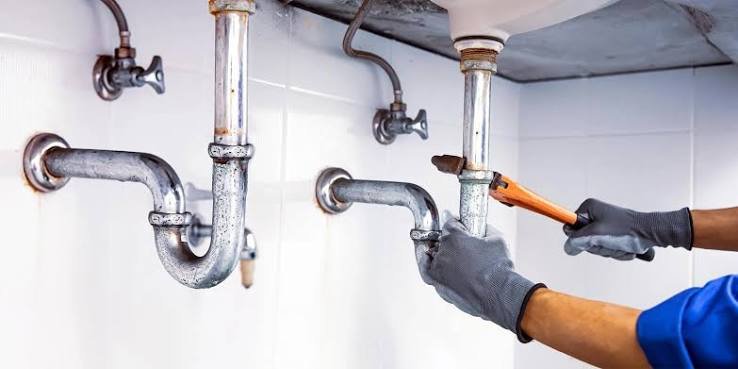
Unfortunately, hard water affects those unseen pipes just as much as visible fixtures. Mineral deposits gradually accumulate inside plumbing, reducing water flow and placing additional strain on the entire system.
Softened water helps protect plumbing fixtures by minimizing those deposits before they become serious. Faucets, showerheads, valves, and household appliances all benefit from cleaner water moving through them every day.
While no system completely eliminates maintenance, reducing mineral accumulation can contribute to better long-term performance throughout your home’s plumbing network.
Better Showers Start with Better Water
One of the first changes many homeowners notice after installing a softener happens in the bathroom.
Soap lathers more easily, shampoo rinses away more completely, and towels often feel noticeably softer after laundry. Many people also describe feeling cleaner after showering because soap residue doesn’t cling to the skin as easily.
Over time, softened water may contribute to softer skin and hair , especially for individuals who previously struggled with the drying effects of hard water.
It’s not magic, and everyone’s experience is different, but it’s one of those improvements people often mention long after installation.
Your Appliances Work Hard Every Day
Think about how many appliances depend on water.
Dishwashers, washing machines, coffee makers, refrigerators with ice dispensers, water heaters, and even humidifiers all process water regularly.
When minerals build up inside these appliances, efficiency gradually declines. Heating elements become insulated by scale, pumps work harder, and cleaning performance may decrease.
Soft water helps reduce that wear, allowing appliances to operate under better conditions while potentially extending their useful lifespan.
For many homeowners, protecting these expensive investments becomes one of the biggest long-term advantages of water softening.
Laundry Feels Different Too
Hard water doesn’t only affect plumbing—it changes the way fabrics feel.
Minerals can remain trapped within clothing fibers, leaving towels rougher and clothes feeling less soft after repeated washes. Detergents also become less effective because minerals interfere with their ability to dissolve completely.
Soft water allows soaps and detergents to perform more efficiently, often producing cleaner laundry while requiring less detergent.
Many families appreciate that everyday benefit just as much as the improvements they notice in the kitchen or bathroom.
Choosing the Right Water Softening System
Every home’s water is different.
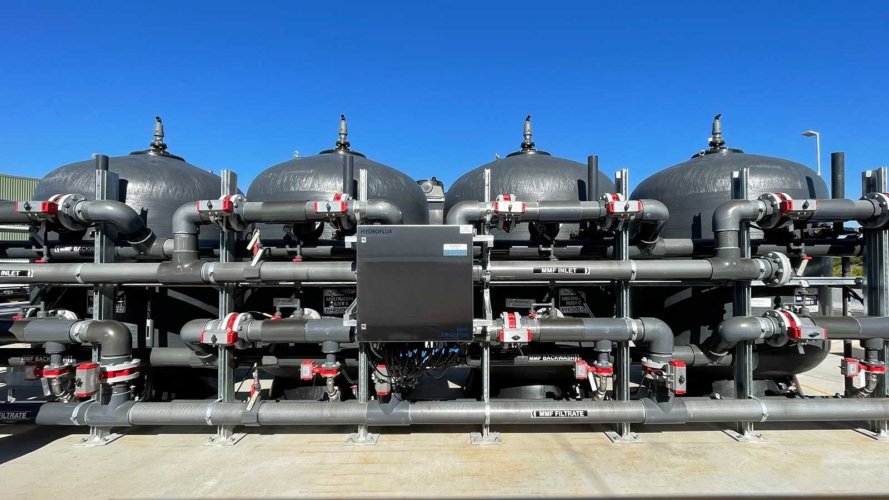
The ideal system depends on factors such as household size, local water hardness, daily water usage, and plumbing configuration. That’s why professional water testing is often recommended before selecting equipment.
Rather than guessing, testing provides a clear understanding of mineral levels and helps ensure the chosen system matches your home’s specific needs.
A properly sized softener generally performs more efficiently while minimizing maintenance requirements over time.
Simple Maintenance, Long-Term Rewards
Modern water softeners require surprisingly little attention.
Most systems only need occasional salt replenishment and routine inspections to keep operating efficiently. Many newer models automatically monitor water usage and adjust regeneration cycles based on actual household demand.
Compared to constantly cleaning mineral deposits throughout the house, maintaining a water softener is relatively simple.
It’s one of those home improvements that quietly delivers benefits without demanding much in return.
Small Changes That Make Everyday Life Better
Not every worthwhile investment transforms a home overnight.
Sometimes the most valuable improvements are the ones that quietly make ordinary routines more enjoyable. Cleaner dishes, brighter fixtures, easier cleaning, smoother laundry, more comfortable showers, and reliable plumbing all add up over time.
Water softening isn’t about creating luxury. It’s about removing unnecessary frustration from activities you already do every single day.
When your water works with your home instead of against it, everything feels just a little easier. And honestly, those small daily improvements often become the ones you appreciate the most—long after you’ve forgotten the day the system was installed.