
Water usually looks innocent. It comes out of the tap clear, has no unusual smell, and seems perfectly normal. Yet some water-quality concerns can’t be detected simply by looking at a glass. Nitrates are a good example. They can occur naturally, but elevated concentrations can become a serious concern, particularly for households that depend on groundwater.
The good news is that dealing with a nitrate concern doesn’t have to feel overwhelming. The smartest approach is fairly simple: test the water, understand where the nitrate may be coming from, and then choose treatment based on the actual results. Guesswork isn’t necessary.
What Exactly Are Nitrates?
Nitrates are compounds made up of nitrogen and oxygen. They’re naturally present in soil, plants, and water, and nitrogen is an important part of the environment.
Problems can arise when additional nitrogen enters groundwater. Fertilizers, animal waste, septic systems, and certain land-use activities can contribute to increased nitrate levels under the right conditions.
One frustrating thing about nitrates is that they’re not obvious. You generally can’t tell they’re present from taste, color, or smell. Water may look completely clean while still requiring attention.
That’s why testing is such an important first step.
Why Nitrate Testing Matters
If you suspect a nitrate issue, don’t immediately rush out and buy a treatment system. Start with a reliable water test.
Testing can determine whether nitrate contamination is present and provide a measurement of the concentration. That information is much more useful than assumptions based on how the water looks or tastes.
For households using groundwater, periodic testing can also establish a useful record. If results change over time, you’ll have something to compare against.
And if you’re buying a property with a private water source, testing before settling in is simply good common sense. You want to know what you’re dealing with before making decisions about treatment.
Why Private Wells Deserve Extra Attention
People who rely on private wells have a different responsibility from households connected to a public water supply. Public systems are generally subject to regulatory monitoring, while private well owners are responsible for arranging their own testing and maintenance.
Well-water conditions can vary depending on local geology, rainfall, nearby agriculture, septic systems, and other environmental factors.
That doesn’t mean every private well has a nitrate problem. Far from it. But it does mean that testing shouldn’t be treated as a one-time event if there are known local concerns.
A basic testing schedule can provide reassurance and help identify changes before they become bigger headaches.
Where Nitrates Can Come From
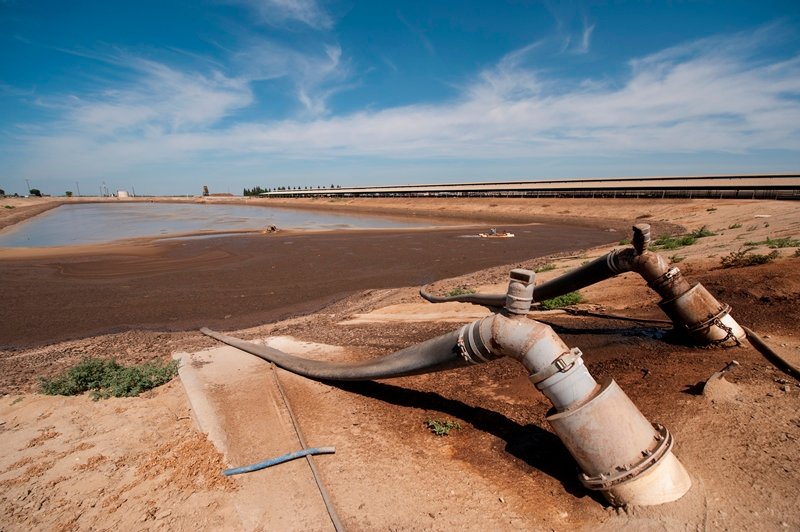
Nitrate levels can be influenced by several sources. Agricultural fertilizers are commonly associated with nitrate movement because nitrogen compounds can travel through soil and eventually reach groundwater.
Animal manure and septic systems may also contribute in certain circumstances. Heavy rain can sometimes affect how substances move through soil, too.
The actual source depends heavily on local conditions. If testing shows elevated nitrate levels, identifying the possible source can be useful. Treatment can address the water, but source control may help reduce the problem at its origin.
In some cases, both approaches make sense.
Exploring Nitrate Removal Solutions
Once testing confirms a nitrate concern, it’s time to look at nitrate removal solutions that match the water conditions.
There isn’t one universal system that works perfectly for every household. Treatment selection depends on nitrate concentration, water chemistry, household water demand, and whether you want to treat all household water or only drinking water.
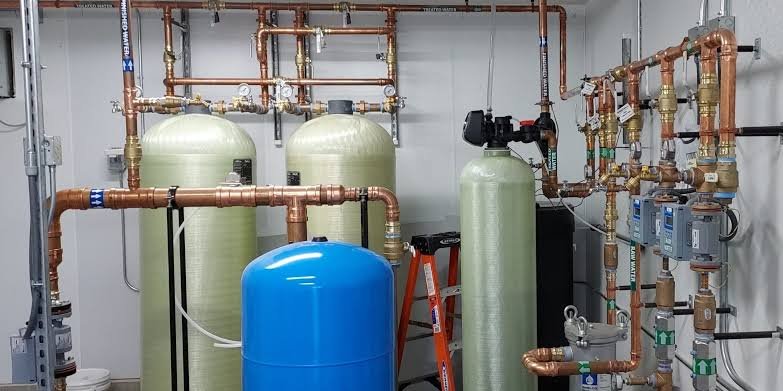
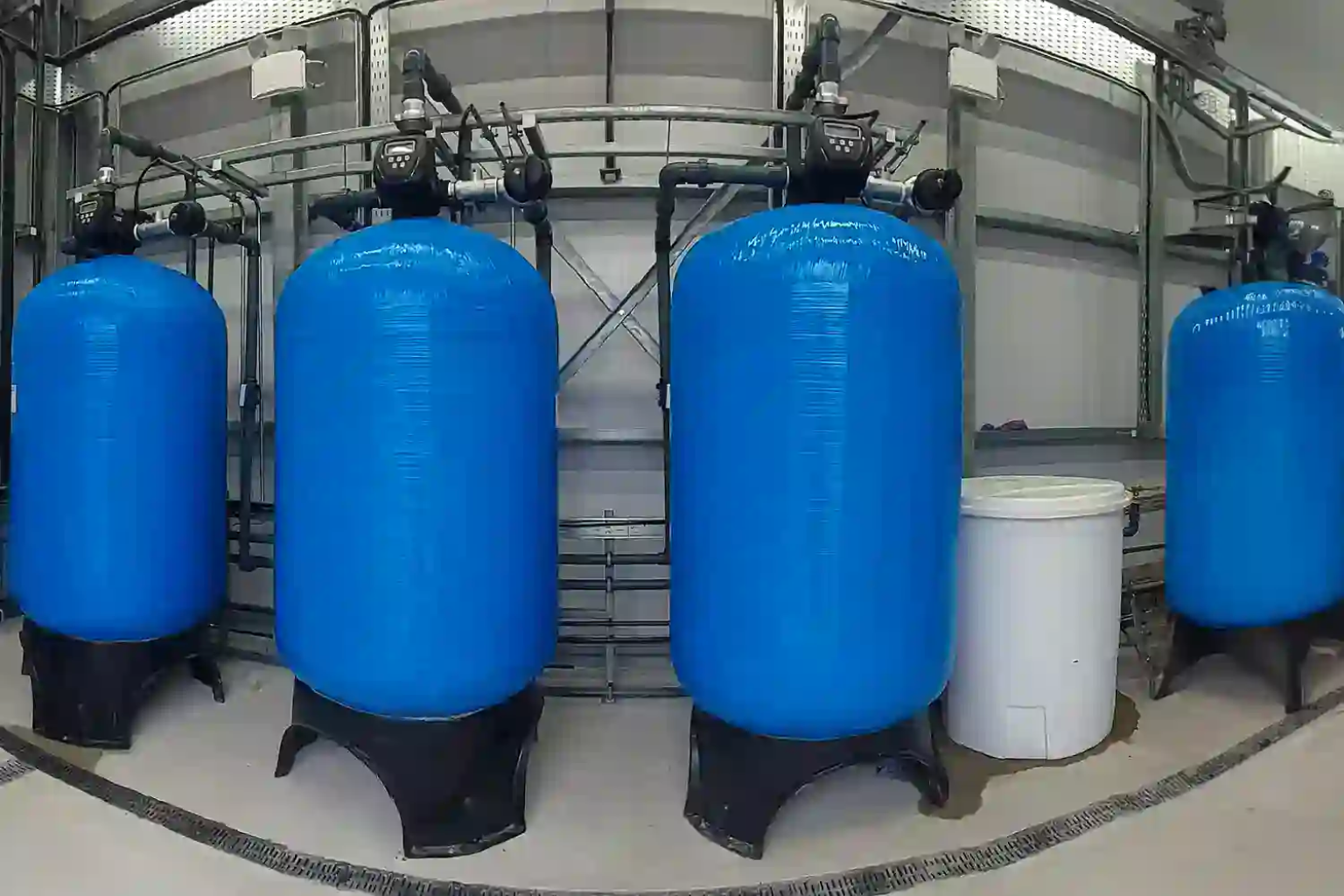
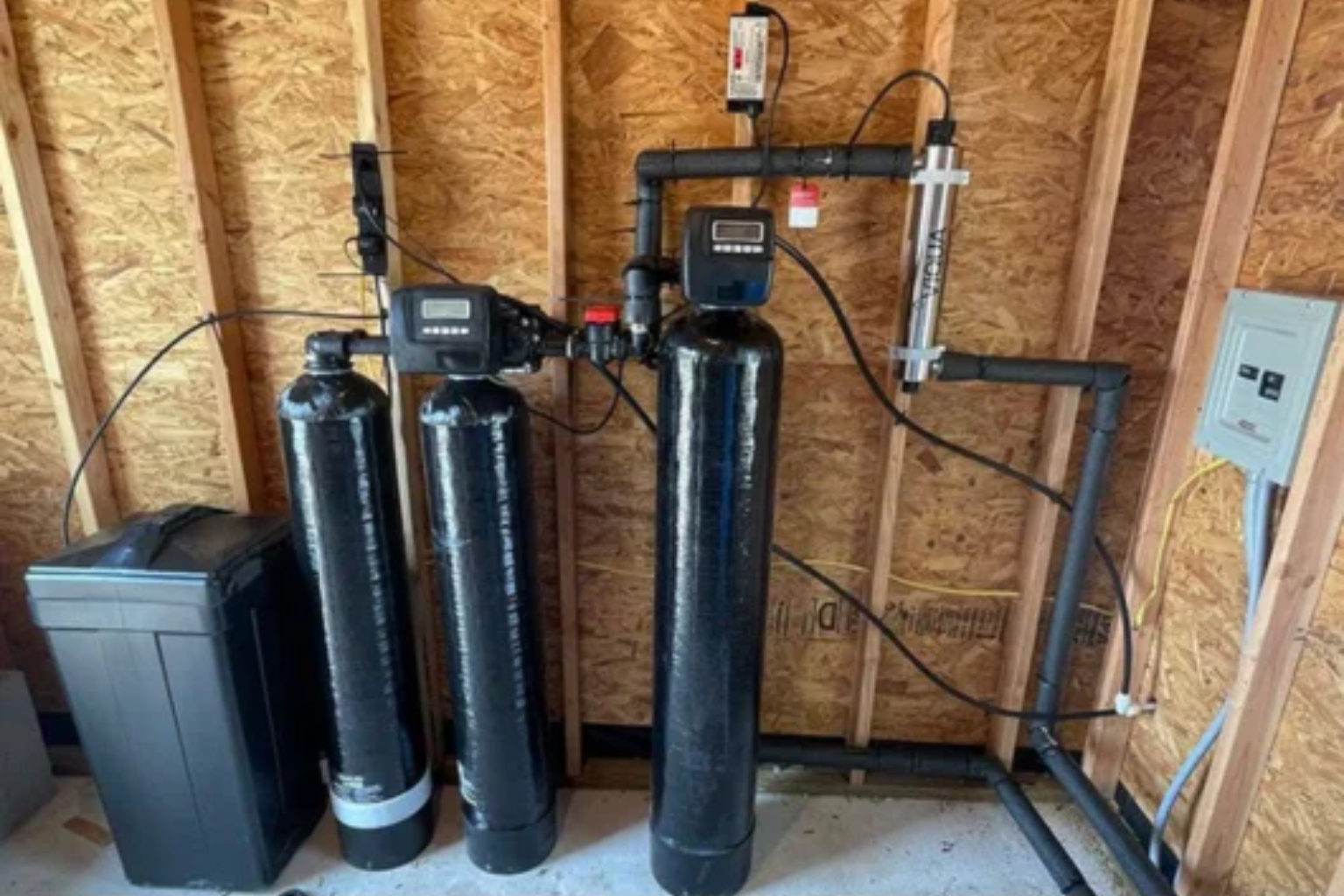
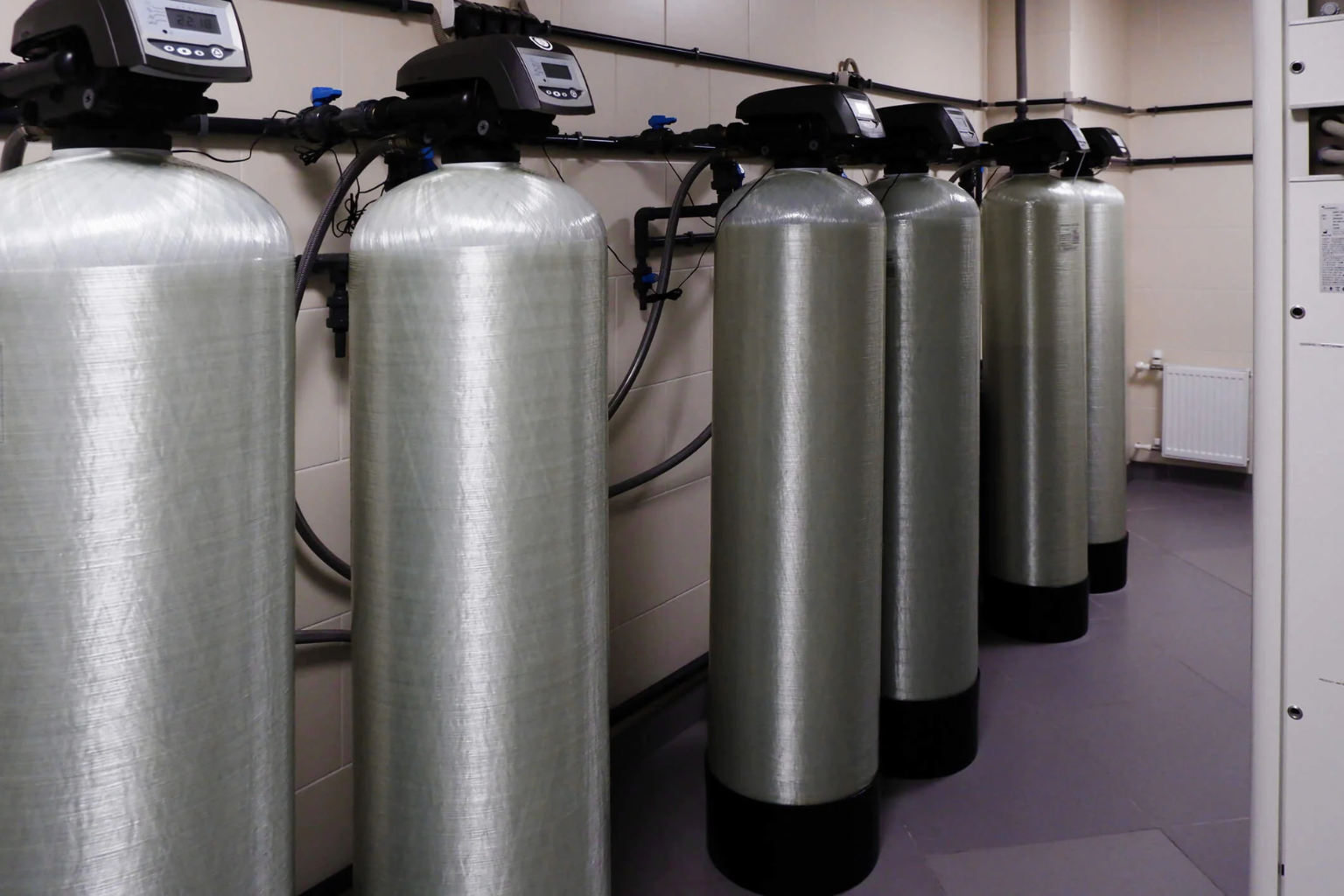
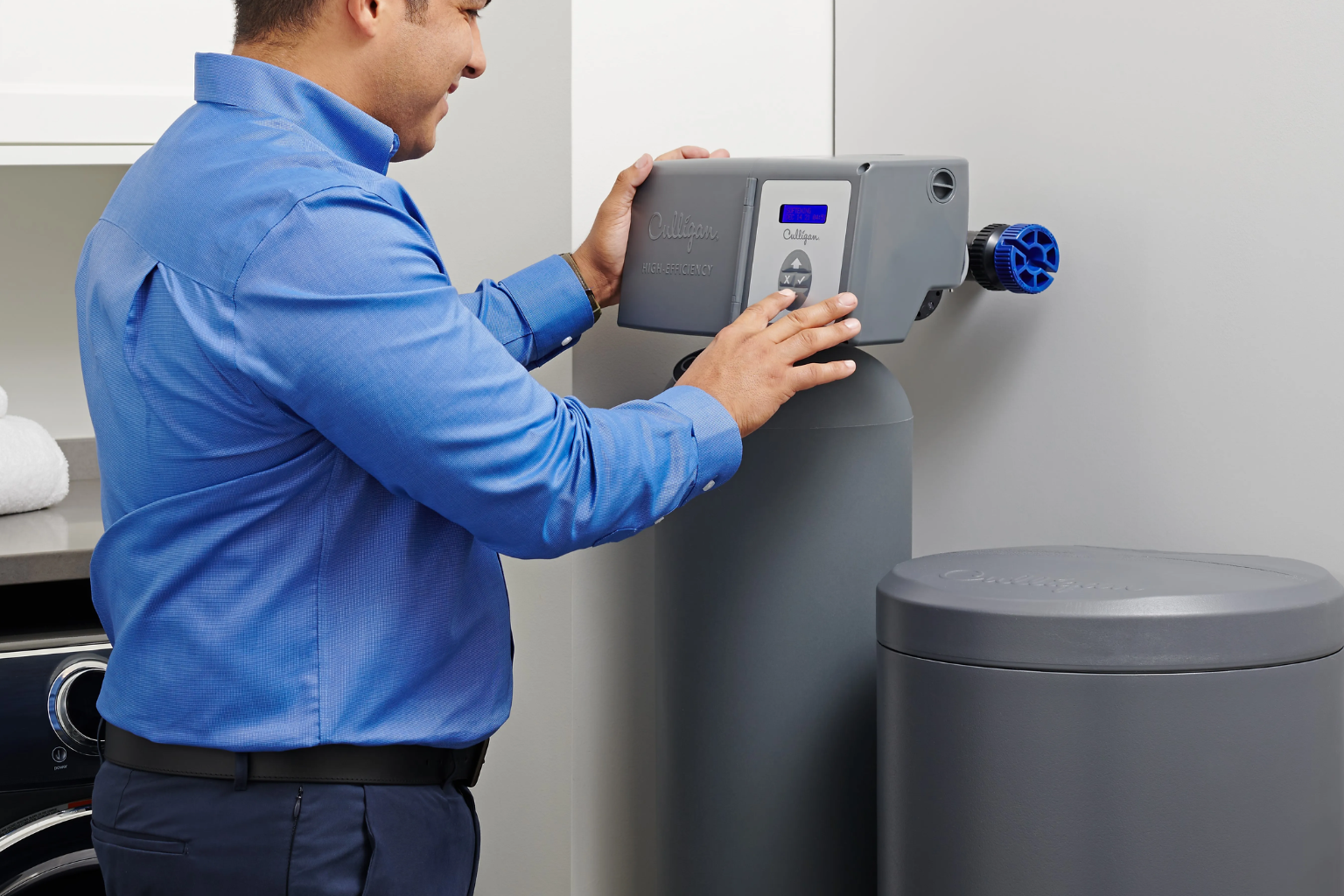
Ion exchange is one possible approach. These systems use specialized resins to exchange unwanted ions in water. Properly designed systems can reduce nitrate, but they need to be correctly sized and maintained.
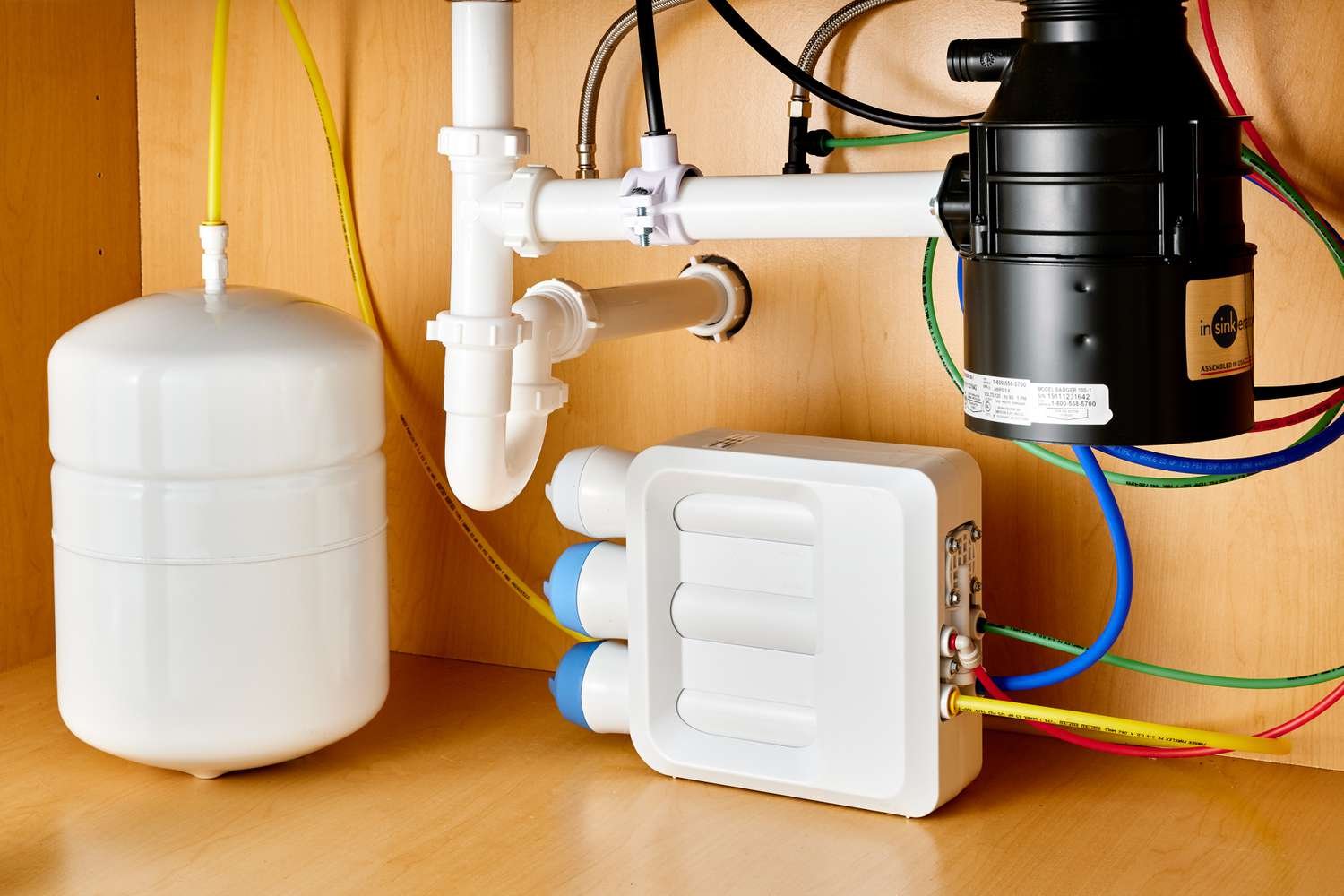
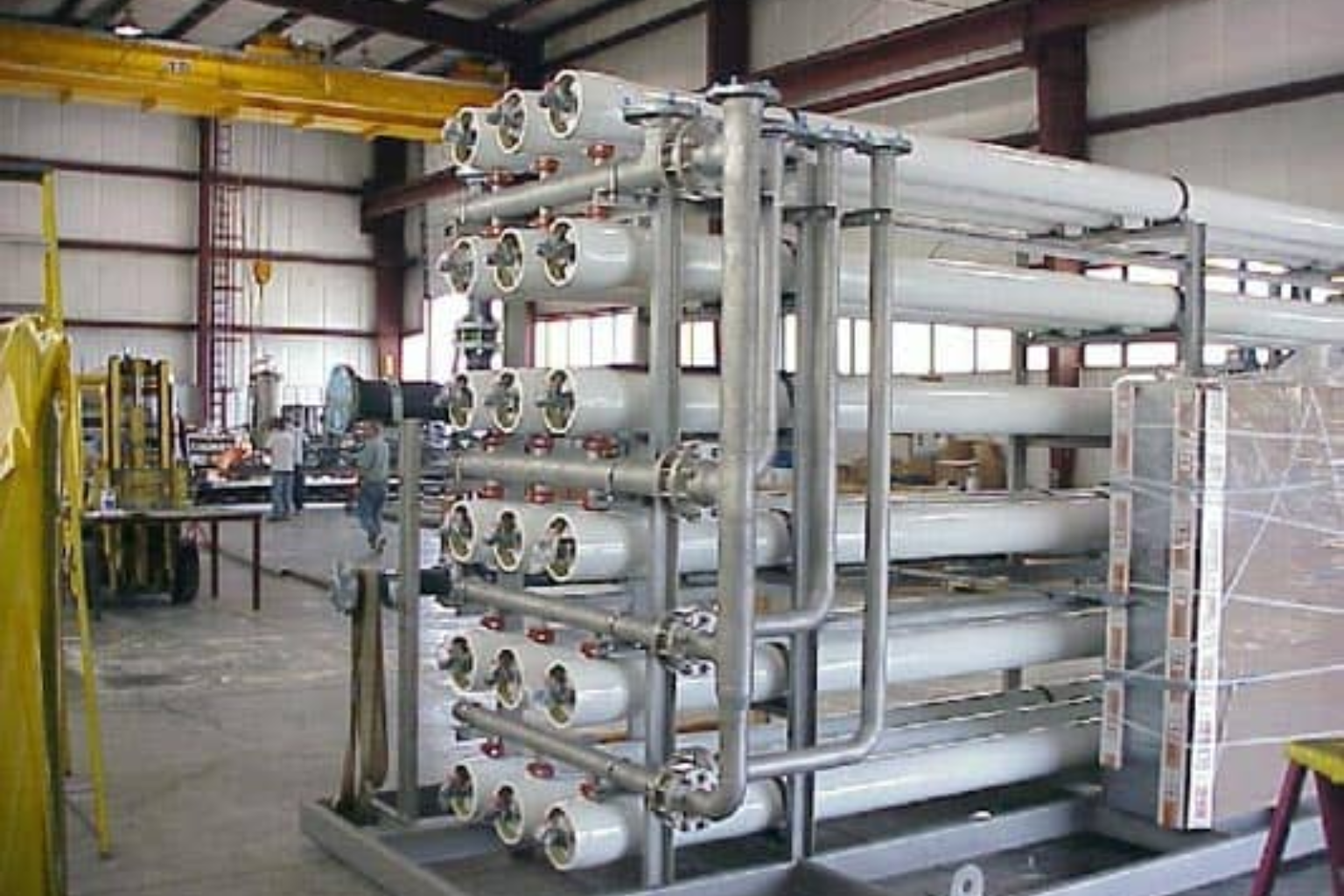
Reverse osmosis is another commonly considered technology, particularly for drinking water. It uses a semipermeable membrane and pressure to reduce many dissolved substances.
The right option depends on the situation—not on which system has the most impressive brochure.
Point-of-Use vs. Whole-House Treatment
One useful question is whether nitrate treatment is needed throughout the home.
If the primary concern is drinking and cooking water, a point-of-use system at the kitchen sink may be sufficient. This approach treats the water you actually consume without necessarily treating every gallon used for showers, laundry, and cleaning.
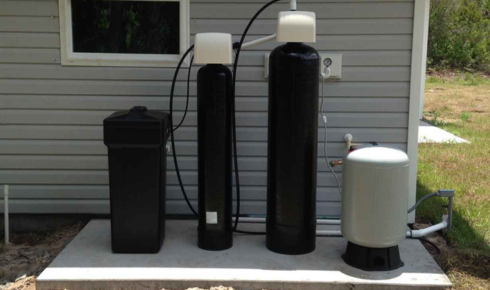
A whole-house system may be more appropriate when broader treatment is required.
There are trade-offs with both approaches. Point-of-use treatment can be more targeted and potentially less expensive. Whole-house treatment can provide treated water at multiple fixtures but may involve greater installation and maintenance requirements.
The decision should be based on the test results and intended use.
Don’t Forget About System Maintenance
Choosing a treatment system is only part of the job. Maintenance matters just as much.
Filters need replacement. Reverse osmosis membranes eventually wear out. Ion-exchange systems may require regeneration, resin maintenance, or other servicing depending on their design.
A neglected system may gradually lose performance without making it obvious that something is wrong.
Keep a record of filter changes, service visits, and water-testing results. It doesn’t need to be complicated. A note on your phone or a simple calendar reminder can do the job.
If the system is professionally installed, ask the provider to explain exactly what maintenance is required and how often.
Look Beyond the Initial Price
Price is important, but it shouldn’t be the only factor.
When comparing treatment equipment, consider installation costs, replacement filters, membranes, resin, service, and other ongoing expenses. A system that looks inexpensive initially may cost more over several years if its components need frequent replacement.
At the same time, don’t assume the most expensive system is automatically the best.
Look for equipment designed specifically for the problem you’re trying to solve. Check performance information, maintenance requirements, and applicable certifications. If you’re unsure, ask a qualified water-treatment professional to explain the differences.
A good recommendation should make sense when you understand the reasoning behind it.
What If the Source of the Problem Is Still Present?
Treatment can be very effective, but it doesn’t necessarily eliminate the source of nitrate.
If agricultural activity, a septic system, drainage issue, or another environmental factor is contributing to elevated levels, addressing that source may be an important part of the long-term solution.
This is especially worth considering when testing shows that nitrate levels are changing over time.
Think of it like fixing a leaking roof. A bucket underneath catches the water, but repairing the roof addresses the reason the bucket is needed in the first place.
Taking a Calm, Informed Approach
Nitrate concerns can sound alarming, especially because the water may look completely normal. But the best response isn’t panic. It’s information.
Start with testing. Understand the results. Consider possible sources. Then compare treatment options based on your actual water conditions and household needs.
Whether the appropriate approach involves reverse osmosis, ion exchange, or another properly designed treatment method, the goal is not to buy the most complicated equipment. It’s to use the right technology for the specific problem.
Good water treatment is ultimately about making informed choices. When testing, treatment, and maintenance all work together, homeowners can take control of their water quality instead of wondering what’s happening inside that perfectly clear glass sitting on the kitchen counter.